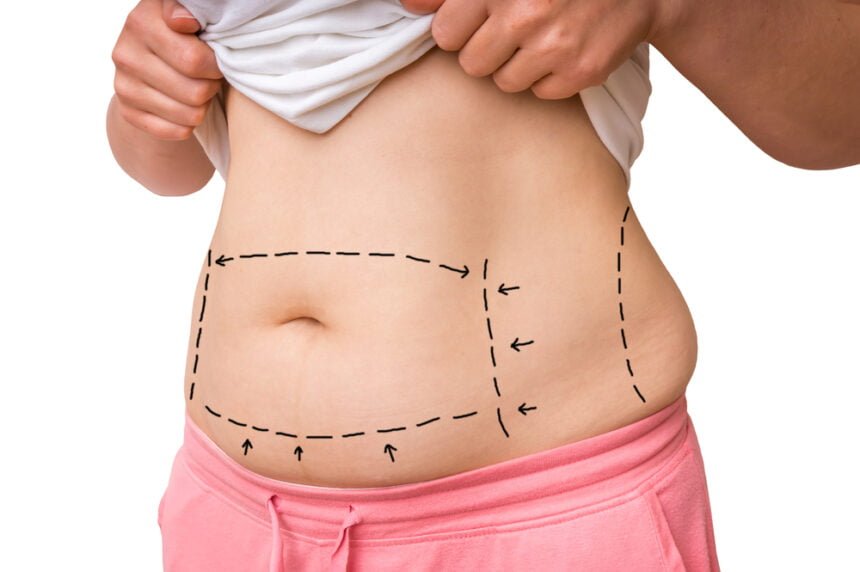
Liposuctions are now the most common form of cosmetic surgery. Over 1.9 million people got liposuction in 2021, which was the first year that there were more liposuction procedures than breast implants.
There are many different types of liposuction procedures. One of the most common types are tummy tucks.
Are you interested in getting a tummy tuck to help you lose weight without dieting? Keep reading to learn more.
Tummy Tucks Can Be Great Ways to Lose Weight and Look Great
If you are considering having a tummy tuck surgery, it is essential that you understand exactly what will take place during surgery so as to gain greater confidence in yourself and the decision. This will enable you to feel more at ease with undergoing cosmetic surgery.

Effective planning will enable you to take proper care in healing your incision site after surgery – especially important if you smoke or need to lose significant weight.
Anesthesia
Before undergoing a tummy tuck procedure, you and your physician will discuss what your goals and aesthetic concerns are for surgery and the potential benefits and risks. They will also outline any associated costs or side effects.
Under general anesthesia, you will undergo your procedure, which could involve either partial or full tummy tuck surgery depending on your specific situation. Surgery typically lasts between 2-5 hours so someone must drive you home afterward; additionally someone may stay with you overnight so as to help ensure a speedy recovery period.
Once incisions have been made, your surgeon will lift away excess skin and fat layers to access the abdominal muscles beneath. They may then tighten or repair these muscles for a flatter belly appearance. As necessary, drainage tubes may also be placed at the incision site in order to minimize fluid buildup and prevent infection.
Once this process has concluded, your surgeon will close your incisions using sutures or tape and create a new hole for your belly button; often located lower than before.
Surgery
Undergoing tummy tuck surgery begins with making an incision along the lower abdomen and making an incision to shape and sculpt by removing excess skin, fat, and muscles tightening muscles in your abdominal region. Once finished, incisions can either be closed using nonpermanent sutures or tape, leaving a new opening for your belly button.
The procedure can address loose or inelastic abdominal skin caused by pregnancy, weight fluctuations, aging or other factors. Furthermore, it can help repair weak or separated abdominal muscles that have become stretched due to multiple pregnancies or significant weight loss.
A tummy tuck should not be seen as a replacement for diet and exercise; however, it can help patients achieve and maintain their desired body shape. In order to be considered a candidate, patients must be at or close to their goal weight and have completed having children; additionally they should also be in good overall health. After the procedure, patients may experience mild to moderate pain; therefore they will be provided advice about prescription and over-the-counter pain relievers from their surgeon.
Recovery
Tummy tuck surgery can make an incredible difference to the look and shape of your abdomen. But for optimal results, you will still need to follow a healthy diet and exercise program post-surgery. While significant pain and discomfort will likely persist afterward, these symptoms should fade with time.
Before proceeding with a tummy tuck surgery, your surgeon will conduct an intensive review and physical exam, looking out for potential risks such as infection or complications from anesthesia.
Assemble help immediately following tummy tuck surgery; having someone help with child and pet care, cooking meals, cleaning your home, driving to appointments, caring for drainage tubes properly as well as sexual activity (which puts unnecessary strain on incision sites) will be invaluable.
Post-Operative Care
After your tummy tuck procedure, the first few days may bring some pain, tightness and swelling in the treatment area – this is normal and will begin to diminish by week two of recovery.
Your doctor or another member of your healthcare team should show you how to empty and care for any drains that may exist in your abdomen, including any tubes for draining fluid.
If you use traditional sutures, they must be removed during a follow-up appointment. Sexual activity puts strain on abdominal muscles that could reopen your incision site if done too soon after having surgery.
After surgery, it is essential that you arrange assistance as you will not be able to drive yourself and may experience discomfort. In addition, strenuous exercise or other demanding physical activities should not be undertaken until instructed by your surgeon to do so.