
We use cookies, including third-party cookies from Google to serve personalized ads through AdSense, to operate this site and understand how it is used. By continuing to browse, you accept this use. See our Privacy Policy and Terms of Use for details, including how to opt out of personalized advertising.
Accept
Health Works CollectiveHealth Works CollectiveHealth Works Collective
  • Health
    • Mental Health
  • Policy and Law
    • Global Healthcare
    • Medical Ethics
  • Medical Innovations
  • News
  • Wellness
  • Tech
Search
© 2023 HealthWorks Collective. All Rights Reserved.
Reading: 4 Ways to Recover from a Broken Hip
Share
Notification Show More
Font ResizerAa
Health Works CollectiveHealth Works Collective
Font ResizerAa
Search
Follow US
  • About
  • Contact
  • Privacy
© 2023 HealthWorks Collective. All Rights Reserved.
Health Works Collective > Health > 4 Ways to Recover from a Broken Hip
Health

4 Ways to Recover from a Broken Hip

Learn how to recover from a broken hip with these 4 steps. Discover the best way to reduce pain, strengthen the area and improve mobility.

Aaron Casselman
Aaron Casselman
Share
4 Min Read
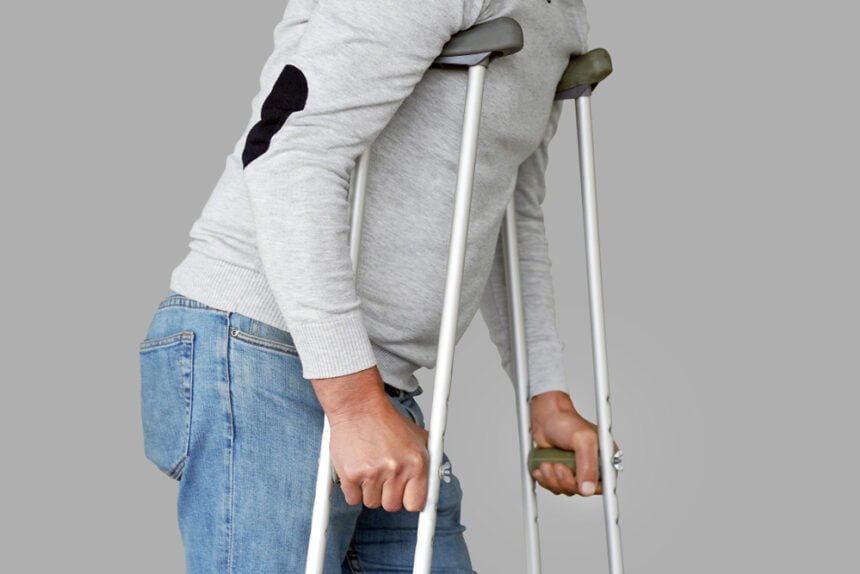
broken hip recovery
Shutterstock Licensed Photo - 1340663309
SHARE

Broken hips, also known as hip fractures, are a serious issue among older adults and often result from a ground-level fall. They can also result from weakened bones due to smoking, osteoporosis, or chronic use of steroid medications.

Contents
  • 1.     Exercise everyday
  • 2.     Focus on your diet
  • 3.     Prepare your home for the recovery process
  • 4.     Follow your doctor’s advice
    • Endnote

A broken hip can cause severe complications such as avascular necrosis or death, so prompt treatment is essential. You can regain functionality in six to nine months with physical therapy and other interventions. However, recovery from a broken hip depends on the type of surgery you get, age, mobility, and overall health. Here are four ways to recover from a hip fracture.

1.     Exercise everyday

Besides standard physiotherapy, you can benefit from exercises to boost your mobility after a broken hip. Bones heal faster when used, so any weight-bearing activity can stimulate them to heal. Exercise also enhances blood circulation to your legs and feet, which may help prevent blood clots. 

Start doing exercises shortly after surgery and continue until you are fully recovered. As long as you can bear total weight on the injured leg and balance well, begin ambulation exercises after four to eight days. You might feel uncomfortable at first, but these exercises will enhance your recovery and alleviate the postoperative pain.

More Read

medical facilites
Understanding Navigation Stress In Medical Facilities
Medicare Helps Seniors, and People with Disabilities & ESRD
Dietary Supplements: What Are They And Their Benefits?
6 Ways Rhinoplasty Can Improve Your Health And Wellbeing
Will Your Family be Financially Stable if You Die?

2.     Focus on your diet

Nutrition might be the last thing to think of when you break a hip and start the recovery process. However, a well-balanced diet can reduce hip fracture risk and enhance the healing process after surgery. Oral supplements with minerals and non-protein energy may help prevent complications after a hip fracture in older adults but might not affect mortality.

Eat enough protein to build up muscles and sufficient vitamin D and calcium for your bones to regain strength. You should also take frequent drinks to stay hydrated and prevent yourself from developing pressure sores. 

3.     Prepare your home for the recovery process

After you have received broken hip treatment, ensure your home is well prepared for optimal recovery. You don’t want to come home and tumble on an internet cable or a rug and end up back in the hospital. Here are some guidelines to help prepare your home for broken hip recovery:

  • Remove all throw rugs in your standing and walking path and use double-face tape to secure carpet corners.
  • Check stair railings and ensure they are secure.
  • Move small-height tables away from chairs and couches.
  • Place a lamp closer to your bed where it’s easy to reach.
  • Place adhesive slip strips or a bathmat on your tub or bathroom floor.
  • You might need a raised toilet seat or commode.

4.     Follow your doctor’s advice

Following your doctor’s advice is essential when recovering from a broken hip. It’s easy to become lax when it comes to adhering to doctor’s instructions, but it’s an essential part of the recovery process. Get out of bed and take all the prescribed medications to aid in pain relief and recovery. You should also ensure you fully understand any post-treatment instructions from your doctor. If you have any questions, always ask to ensure you get the best care possible.

Endnote

Recovering from a broken hip can be overwhelming, but you can get back to your old self soon with proper treatment and care. Follow these tips for faster healing after hip fracture surgery. Contact your doctor immediately if you notice any symptoms of a blood clot or an infection.


Share This Article
Facebook Copy Link Print
Share
By Aaron Casselman
Aaron Casselman is a medical writer based in central Minnesota, specializing in bioinformatics. With my Master's Degree in bioinformatics, he brings unique insights into topics related to medicine and health.

Stay Connected

1.5KFollowersLike
4.5KFollowersFollow
2.8KFollowersPin
136KSubscribersSubscribe

Latest News

Advances in Diagnostic Tools for Early Detection of Dementia -- AI-generated illustration
Advances in Diagnostic Tools for Early Detection of Dementia
Diagnostics
August 1, 2026
How Virtual Schools Deliver Therapy and Special-Education Support for Children With Disabilities -- AI-generated illustration
How Virtual Schools Deliver Therapy and Special-Education Support for Children With Disabilities
Health News Therapy
July 31, 2026
mri technology
Why Preventive MRI Maintenance Is Essential for Hospitals
Business Hospital Administration
July 24, 2026
senior on computer
Health and Digital Safety Risks Older Adults Should Know
Senior Care
July 24, 2026

You Might also Like

Epidemiological Health Benefits
Health

Personal and Epidemiological Health Benefits of Blood Pressure Management

October 13, 2025
healthcare workers burnout
Health

How Healthcare Workers Can Deal with Burnout

December 8, 2024
healthcare software
Health

Healthcare Accessibility When Relocating Abroad

January 30, 2024
primary care doctor
Health

Primary Care Physicians’ Roles in Preventive Health

July 24, 2024
Subscribe
Subscribe to our newsletter to get our newest articles instantly!
Follow US
© 2008-2026 HealthWorks Collective. All Rights Reserved.
  • About
  • Contact
  • Privacy
Welcome Back!

Sign in to your account

Username or Email Address
Password

Lost your password?