Whether you’re an occupational health nurse or a nurse anesthetist, you’re exposed to hazards. No matter where you work, you must be aware of the hazards around you, but medical personnel are in a unique position. After all, they’re supposed to treat patients while exposing themselves to illnesses, hazardous drugs, and environmental hazards.
- Screen Employees During the Onboarding Process
- Track and Prevent Disease Exposure
- Exposure Follow-Ups
- Limit Hazardous Drug Exposure
- Restrict VOCs
- FAQ
- Why are medical personnel at unique risk of workplace hazards?
- What hazards are monitored in hospital staff health programs?
- Health Monitoring for Medical Staff is Essential
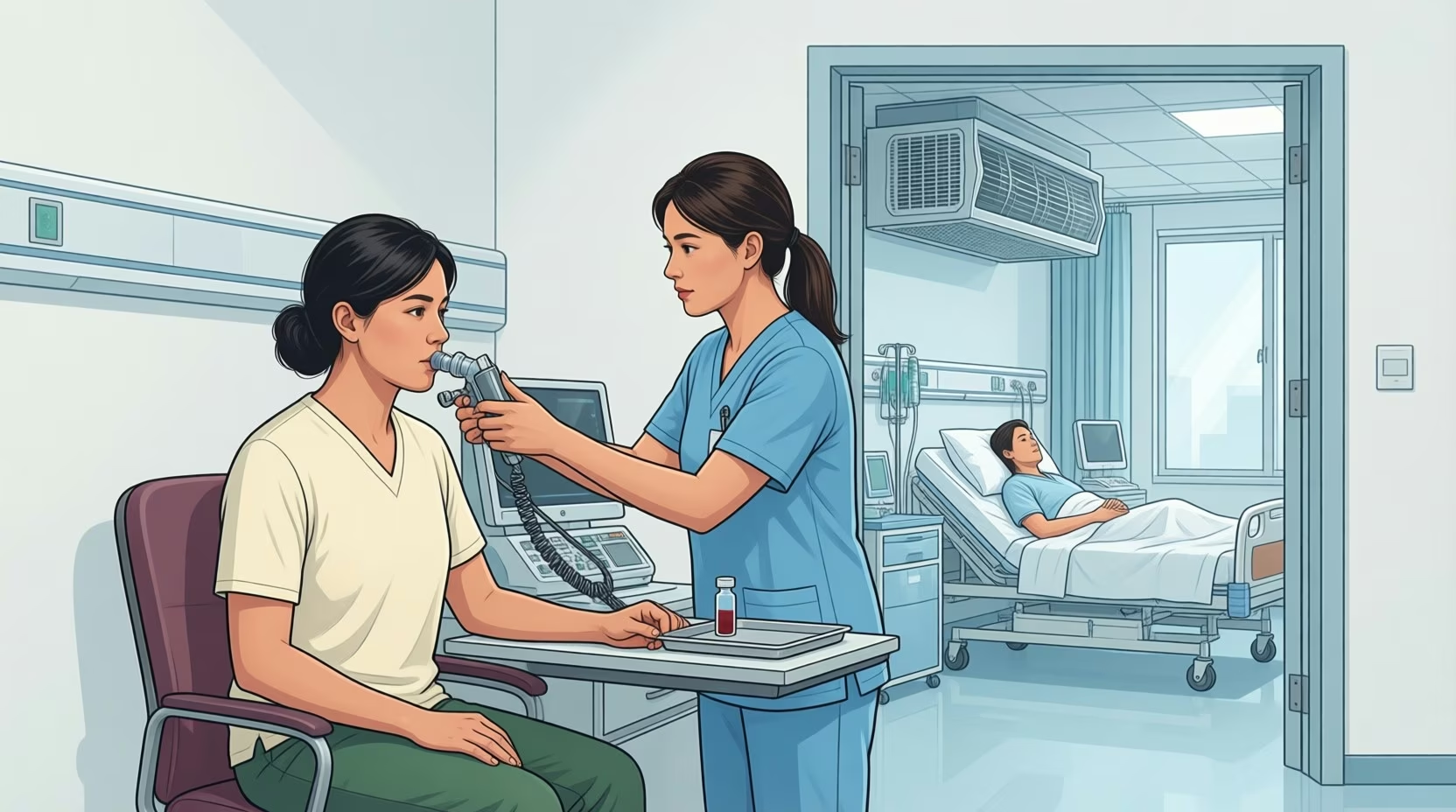
Workplace health monitoring in medical environments prevents occupational disease escalation and cross-transmission by detecting early signs of exposure through physical examinations, blood testing, spirometry, and audiometry. These medical surveillance programs act as an employer feedback loop to evaluate hazard controls and trigger targeted prevention before irreversible health effects occur.
Luckily, hospitals have gotten better and better at monitoring staff for illness, infection, and drug exposure. This protection shields hospital staff while preventing them from spreading such infections to patients. Medical surveillance is the ongoing monitoring of employee health to detect early signs of exposure to workplace hazards, and OSHA notes that surveillance serves as a feedback loop to the employer.
Workplace health monitoring has gotten better in medical facilities, especially since the COVID-19 pandemic. Still, health monitoring can continue improving to give medical staff more peace of mind. Follow along as we explore what routine workplace health monitoring in medical environments actually prevents.

Screen Employees During the Onboarding Process
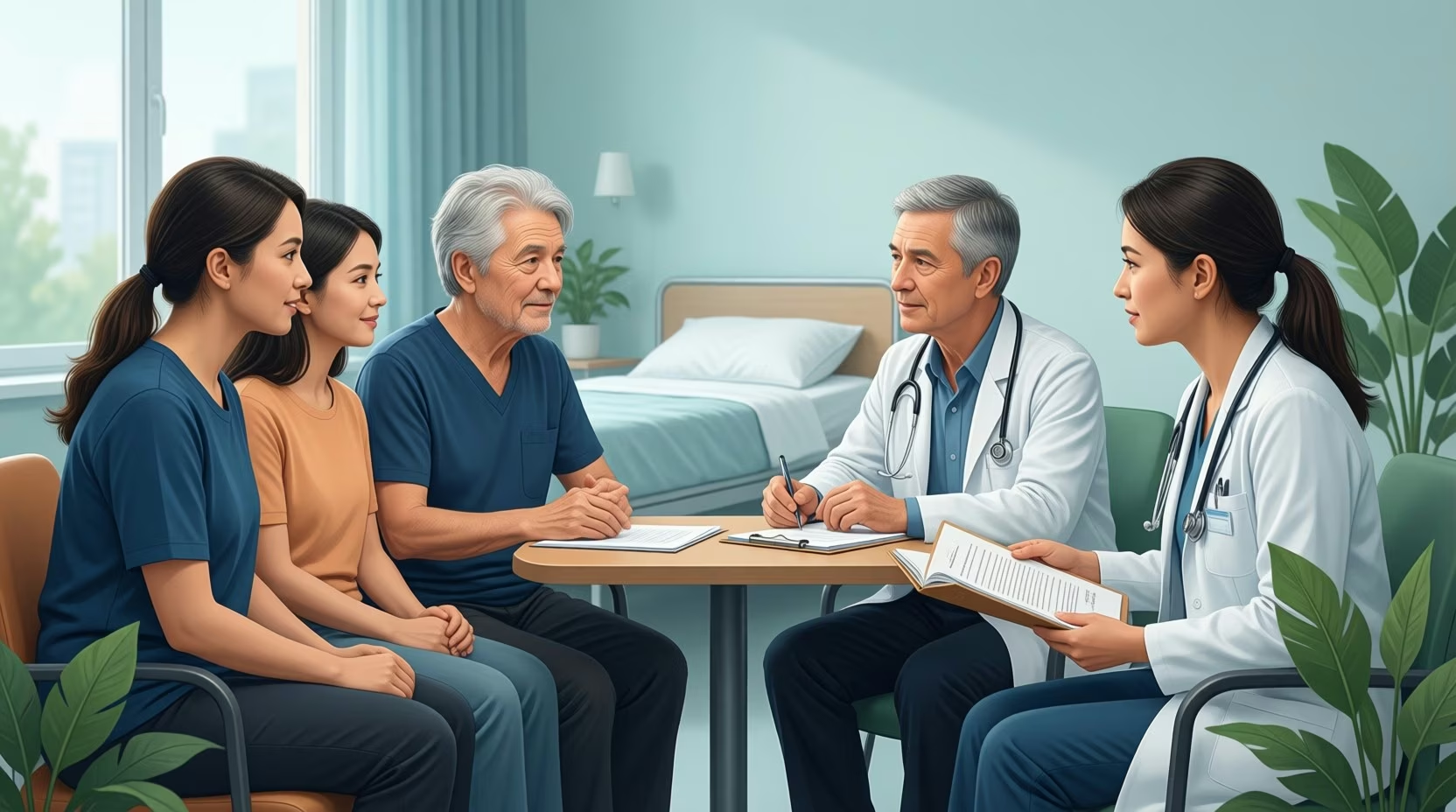
Getting hired to work at a hospital or clinic is exciting, but it also carries some uncertainty. That’s because the administrators and managers must know that each new hire is medically fit to work there. This safeguard protects new hires while ensuring the current staff and patients aren’t at risk. In workplace health surveillance, clinicians screen workers to detect potential workplace hazards before irreversible health effects can occur.
All new hires must undergo a medical screening process to ensure they are immunized against preventable diseases and conditions. Otherwise, that new nurse may spread measles to the other nurses, doctors, and patients. Such an oversight could make national news and cause widespread health problems beyond the medical facility where the outbreak occurs.
Regular screenings are necessary year after year to keep track of the staff’s immunization records. That way, nobody can slip through the cracks and endanger those around them.
Track and Prevent Disease Exposure
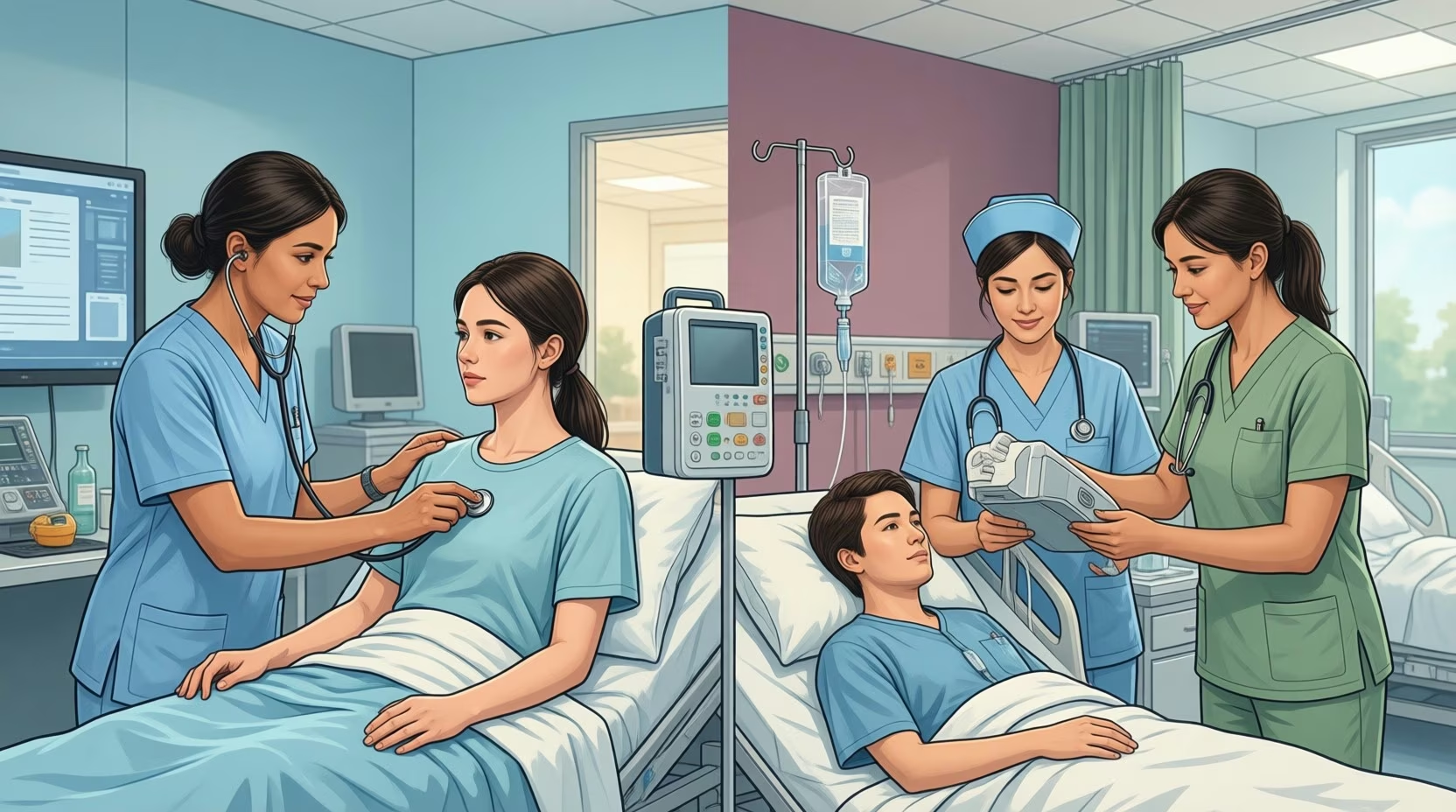
Healthcare workers selflessly put themselves at risk while helping others. While caring for patients, healthcare workers can easily expose themselves to infectious diseases. This is ultimately the most important argument for comprehensive workplace health monitoring at hospitals and clinics, supported by hospital administration.
Not only can infections and diseases spread among the staff, but they can spread to patients. That’s why annual screenings are so important for medical staff at hospitals and clinics. Many of these spreadable illnesses are preventable through vaccines, and health monitoring shows who is up to date on them.
It’s also important to test medical staff for illnesses that are currently rampant in the area. That way, medical staff can be immunized, treated, and sent home when needed. The last thing patients need is to get sick from the people caring for them.
Medical surveillance is a program aimed at detecting and monitoring health conditions in individuals exposed to specific hazards in the workplace. It involves various assessment methods, including regular physical examinations and diagnostic tests to identify health issues early, prevent occupational diseases, target the root cause of the problem, and uphold the well-being of workers.
Eunice Arcilla Caburao, Content Writer, Mitti, in Mitti, 2024Exposure Follow-Ups
The reality of working in medical environments is that you will likely get exposed to various hazards. Even the most careful nurse may accidentally get pricked by a needle used to treat a patient dealing with a disease. Routine health monitoring prevents infected staff members from spreading illnesses and infections to other staff and patients.
They must immediately test and monitor the affected staff member to see if they develop symptoms. The tricky part is tracking their contact with nearby people, such as medical staff and patients. Modern medical surveillance makes this contact tracking much more manageable than it used to be.
Frequent tests are necessary in the days following the exposure incident. It’s also important to test nearby staff members and patients to ensure nothing has spread. The staff member can only return to work when it’s deemed that they aren’t infected.
Limit Hazardous Drug Exposure
Many medical workers are routinely exposed to hazardous drugs, especially when administering chemotherapy. These drugs are necessary for cancer patients, but they can harm people who don’t need them. Aerosolized medications are also common in hospitals, and they carry risks of secondhand ingestion, which is monitored through occupational health surveillance.
Proper ventilation and air pressure regulation help prevent secondhand exposure to such drugs. However, individual staff members can be tested for drug exposure as needed, but that’s rare. Either way, it’s important to have these constructs in place to protect medical staff.
Instead, they swab the surfaces in medical facilities a few times per year to test for drugs. The results indicate how well their ventilation and air pressure protocols are working.
Restrict VOCs
Volatile organic compounds (VOCs) are everywhere, whether you’re at home or in a hospital. Unfortunately, these harmful compounds are present in many paints, cleaning chemicals, air fresheners, and other commercial products. VOCs become gaseous at room temperature, and they are known pollutants that impact air quality.
This is one of many reasons hospitals need to have strong ventilation systems. Many hospitals use High-Efficiency Particulate Air (HEPA) filters to remove such pollutants, along with others. More and more hospitals have switched to environmentally friendly cleaning products as well.
Whenever possible, hospitals also use low-emission paints and building materials. Staff members who report breathing difficulties may be examined for toxicity and moved to a safer area.
FAQ
Why are medical personnel at unique risk of workplace hazards?
Medical personnel face high patient acuity and demanding clinical conditions that result in some of the highest rates of occupational injury, burnout, and workplace violence. They also care for sick patients while working around infectious illnesses, potent medications, and indoor environmental exposures.
What hazards are monitored in hospital staff health programs?
Hospital medical surveillance programs monitor industrial and environmental exposures, respiratory hazards, noise-related hearing risks, and underlying health factors such as chronic conditions, sleep issues, mental health challenges, and musculoskeletal discomfort that can increase the risk of workplace injuries.
Health Monitoring for Medical Staff is Essential
Healthcare workers sacrifice long hours and witness some harsh realities so we can maintain our health and get help when we need it. Unfortunately, they put themselves at risk in the process, and it can be dangerous. Routine health monitoring for medical staff ensures they don’t get infected and spread infections to staff and patients. It also ensures they aren’t exposed to high levels of aerosolized drugs meant to treat patients. Not only does strict monitoring protect the staff’s health, but it also helps prevent burnout. If nobody looks out for medical staff, who will look out for us?