We have talked a lot about some of the alternative ways to live healthier lives. We find this content is becoming more popular as a growing number of people are becoming interested in alternative medicine. A survey from Pew Research showed that one out of every five Americans say that they have tried alternative medical options.
One of the natural wellness options that is becoming more popular is ketamine. We have covered some articles on ketamine (they are almost as popular as some of our articles on essential oils), but wanted to talk in more detail about its possible health benefits.
Ketamine is an FDA approved and prescription only medication which has been in the spotlight in recent years in regards to pain management and psychiatry. In the past 10 years, 3 million people have used Ketamine in their lifetime. 3% of those are said to be high school students who may have gotten it illegally. It was originally developed in the 1960s and has been used for a number of things beyond its original targeted use. In this article we’ll discuss what medicine is used for and how it works in the body.
Uses of Ketamine
Ketamine can have a few different uses depending on what a person is experiencing. These uses are:

- Pain management: Ketamine is being used to help with chronic pain conditions such as regional pain syndrome and neuropathic pain. In low doses it has shown some promise with providing relief for patients who don’t respond well to other pain medications and therapies.
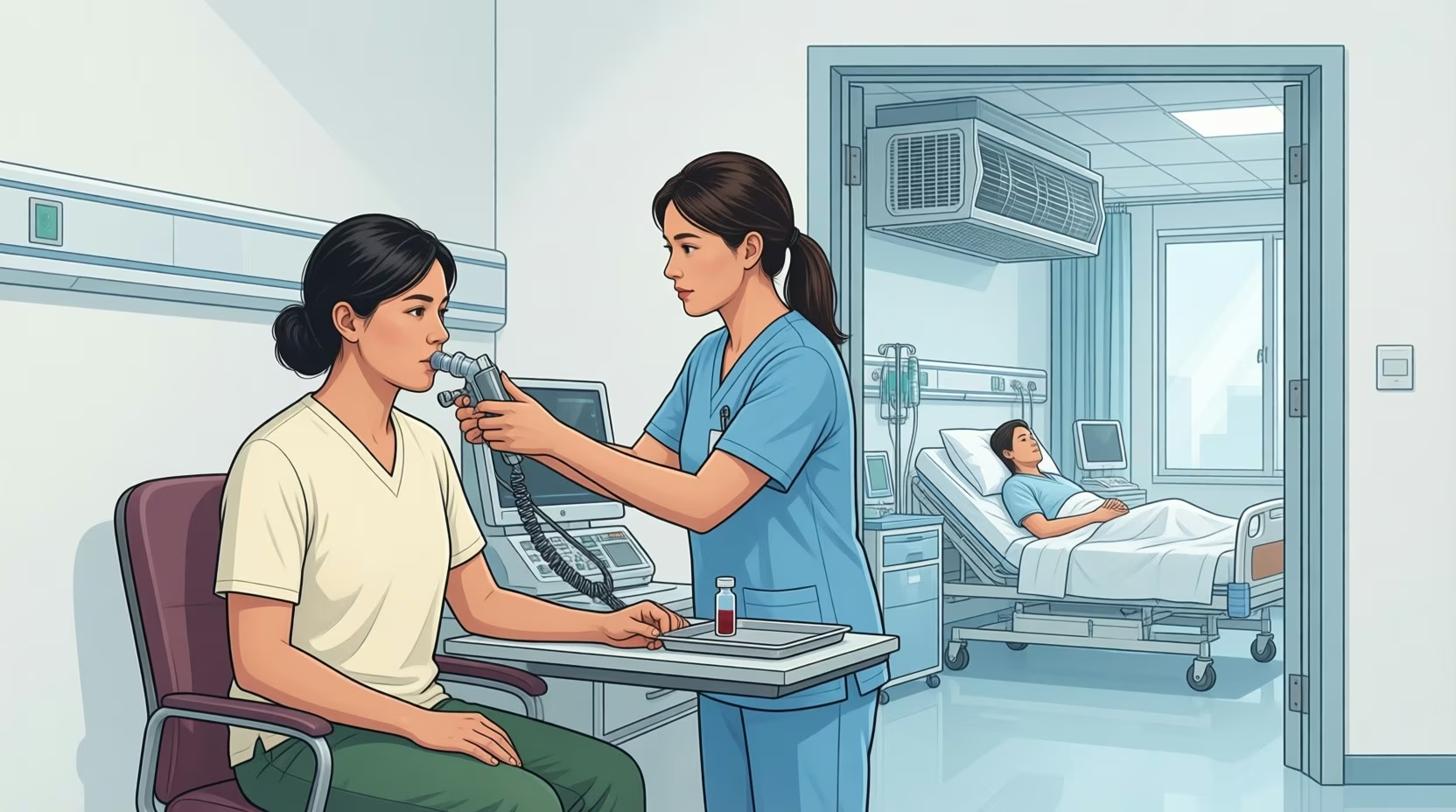
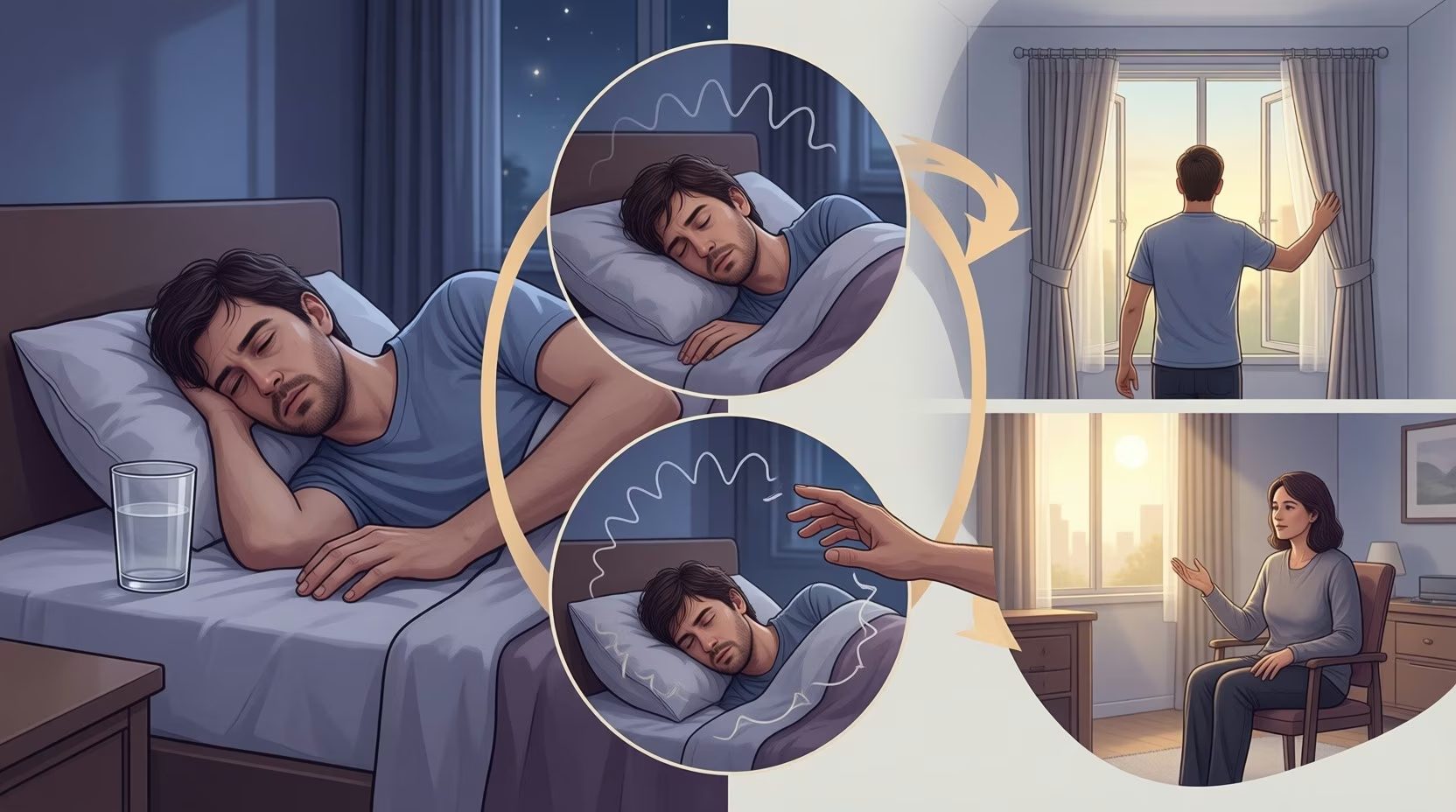
- Anesthetic properties: Ketamine has the ability to induce a dissociative state where patients who are administered it feel detached from their surroundings and body. It allows for pain relief but without the need for someone to go completely unconscious. In a medical scene it’s especially used for emergencies and where other types of anesthetics may pose risks.
- Mental health treatments: In some cases it’s said that ketamine may help with mental health related diseases such as MDD or major depressive disorder. It is said that when used it helps to improve mood. Due to this, it’s been investigated for use in other mental health disorders like PTSD, anxiety and bipolar disorder. This means that it can be a great option for anyone trying to manage their mental health.
In some cases, there are ketamine assisted therapy options which combine therapy and ketamine in a controlled environment to allow patients to gain the benefits of both worlds for a more positive outcome in their life. More studies need to be done though to see whether it can be used for other key health related issues.
How Ketamine Works in the Body
While it’s not fully understood how it works, some key pathways have been identified. These include:
- Inflammation modulation: It’s been indicated that this medication may have anti-inflammatory properties which could play a role in therapeutic uses. When it helps to lower inflammation the person will feel less pain.
- Neuroplasticity: It’s suggested that ketamine may promote neuroplasticity which is the brain’s ability to form new neural connections. This may help restore neural pathways which could help conditions like depression and PTSD
- AMPA receptor activation: AMPA receptors are a type of glutamate receptor. When used, it’s said that ketamine may be able to enhance the activity of this receptor. This overall interaction may contribute to antidepressant effects on the body.
- NMDA receptor antagonism: Ketamine acts as an antagonist of the NMDA receptor that plays a role in glutamate signaling. With its ability to block these receptors, ketamine may alter the balance of brain neurotransmitters which can lead to changes in perception and mood.
These are just some of the ways ketamine works in the body. More ways are still being investigated with hopes of more promises in the near future.
Endnote
Ketamine has made some breakthroughs in the health industry, with many people looking at it now as an alternative to help manage some of their severe symptoms and to promote overall wellness. While more research is still to be done on it, it’s becoming more and more popular for many doctors to use to help patients.