
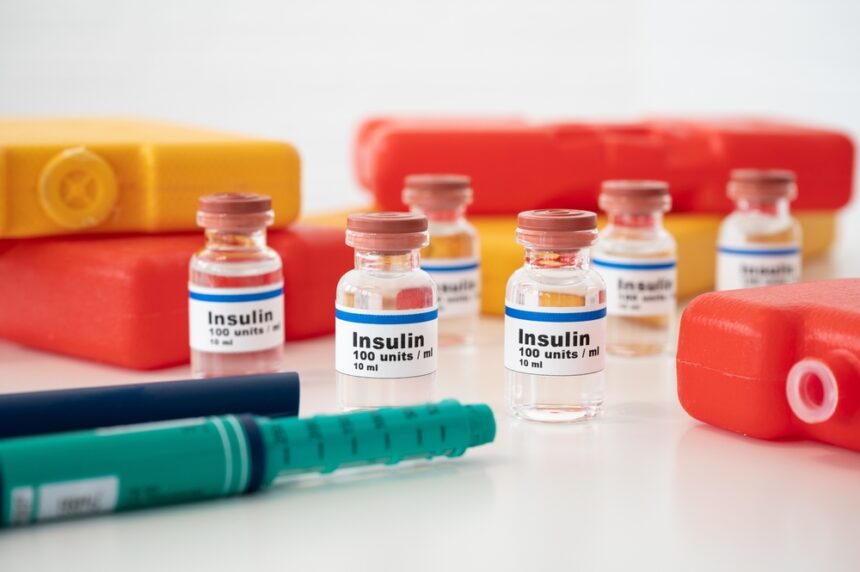
An estimated 38.4 million Americans suffer from diabetes. They need to understand their options, which may include insulin therapy.
Type 2 diabetes mellitus (T2DM) is a chronic condition that takes place when the body fails to respond to insulin leading to a state of hyperglycemia or high sugar level in the blood accompanied by the inability to secrete sufficient insulin. However, a healthy lifestyle still remains the foundational basis for T2DM treatment, although, at times, more elaborate procedures may be required to regain glycemic control.
In essence, this means that insulin therapy offers healthcare providers and patients an effective technique for reaching desired glucose levels and hence preventing an array of severe results. There are a lot of drugs that can help with diabetes, but insulin tends to be most helpful.
Understanding the Role of Insulin in T2DM Management
Insulin, a hormone produced by the pancreas, is responsible for maintaining blood sugar levels. It enables the body cells to gain glucose and hence the rate of circulating blood sugar goes down. In T2DM, there might be a reaction to reduce or ignore insulin effects(insulin resistance ) or a low level of insulin production in the body (insulin deficiency). This abnormal insulin response results in hyperglycemia with no control and can progress and thus causing the development of microvascular and macrovascular T2DM-related complications.

The decision to initiate insulin therapy in T2DM is based on several factors, including:
- HbA1c levels: This blood test allows for calculating the expression of average blood sugar control during the past 2-3 months. If lifestyle adjustments cannot attain referred HbA1c value according to clinical recommendations, insulin therapy may be used.
- Symptomatic hyperglycemia: Symptoms such as frequent urination, feeling thirsty more often, and losing weight without exercise can show that blood sugar is not well controlled. Insulin therapy may help with ameliorating these discrete features as well as the general quality of life.
- Acute illness or stress: The cycle of clinical states and stresses often prevail against good control of blood sugar levels. Transitional sessions or limited periods of insulin could be available as bridges to allow for regular diabetic treatment.
- Pregnancy: Women having T2DM may even need injections of insulin during their pregnancy as a subtle form of control of both mother and fetus’ blood sugar condition.
Dispelling Myths and Empowering Patients
There are some myths related to insulin therapy among T2DM patients. It becomes essential that considerations are given to this and that patients who are using insulin come to see it as an active assistant in the management of their disease.
- Myth: This treatment leads to insulin therapy, which implies that the treatment has failed and the patient has reached a problematic situation.
Reality: Kicking off on insulin treatment doesn’t superficially mean you have come across as a failure. It’s an extra appropriate course of action alongside lifestyle changes. Insulin plays a significant role in providing the highest glycemic levels in order to reduce the risk of long-term complications associated with diabetes.
- Myth: Patients have to inject insulin regularly all the time.
Reality: Certain people under singular external treatment might be able to achieve better insulin sensitivity when combined with some chosen healthier lifestyle adjustment. Consequently, such a process would possibly result in either a reduction or even an elimination of the use of insulin injections. Despite the fact that short-term courses of insulin may be preferable for most T2DM patients, long-term insulin therapy still remains a key component of a successful treatment plan. The patient may want to consider using an insulin pump as well.
- Myth: Insulin injection is an injury stemming from an injector and a complicated process.
Reality: In modern insulin, needles are incredibly small, reducing pain on injection from being injected. Moreover, the practice of the injection methods is also quite simple and easy which can be easily accomplished with the help of guidance from a professional nurse.
A Spectrum of Insulin Options for Individualized Care
There are various types of insulin available for T2DM management, each with a distinct action profile:
- Rapid-acting insulin: It does so swiftly, the time frame expected being not more than 15 minutes after administration, to predispose control of glucose levels in the blood system after meals.
- Short-acting insulin: Also like rapid-acting insulins, but with a more prolonged onset of action, the treatment is usually good for 2-3 hours.
- Intermediate-acting insulin: Lasts longer than many current medications, thereby offering evens-handed blood glucose control throughout the year.
- Long-acting insulin: This yields continuous blood sugar control that reaches its peak levels quite gradually.
The particular dosage of insulin and the types necessary for individual patient’s needs will vary according to the blood sugar control needs, overall health status, and the general health status of the patient. Interdisciplinary or multidisciplinary team-based care is crucial in creating a tailored insulin regimen for a patient.
Mastering Injection Techniques for Safe and Effective Care
Proper injection technique is more than vital to make the usage of insulin harmless and adequate. Healthcare providers will provide practical training, involving the injection techniques to be tried out by the attendees, and the storage, handling, and disposal of insulin and other supplies will be addressed. These skills allow the patients to manage their insulin servicing independently at home with enough confidence.
Living a Fulfilling Life with Insulin Therapy Integration
Living with T2DM doesn’t necessitate sacrificing lifestyle or passions. Insulin therapy allows for effective diabetes management while enabling patients to continue living full and active lives. With proper planning and integration into daily routines, insulin injections become a seamless part of the T2DM management strategy.
Collaborating with Your Healthcare Provider for Optimal Outcomes
A specific insulin regimen is the basis on which diabetes mellitus type 2 is managed. Healthcare providers’ treatment teams let each patient dictate her/his own healthcare plan that is related to his/her lifestyle and habits. Such a plan is usually comprised of the components that entail the properties of insulin, dosages, the interval that person would be injecting the insulin, and the time of blood sugar monitoring. Sending blood sugar data to physicians and doctors is of key importance when it comes to reaching satisfactory insulin doses.
Ongoing Support and Resources for Your Journey
Having T2DM in check requires receiving constant support and guidance from the patient. Many resources are available to empower patients on their journey:
- Diabetes education programs: Such schemas reinforce the core issues concerning T2DM control, such as insulin, nutrition, exercise, and blood sugar checking.
- Support groups: Look after yourself and keep in touch with those other people who have T2DM. This helps you to get the required emotional support and be part of a community.
- Online resources: Oftentimes, people with diabetes also turn to credible portals and communities as a source for tips and tools to assist them in managing T2DM
Conclusion: Embracing Insulin for a Healthier Future
Insulin therapy, which is pivotal for several T2DM patients, performs a key function in achieving optimal blood sugar management in the majority of them. Through joint work with care providers and making Insulin an indispensable resource, patients can prevent and reduce the likelihood of severe health problems such as blindness, kidney failure, and amputation. Think of it, insulin is not a failure on your side, instead, it can be viewed as a helpful partner in your T2DM trip. If you feel any confusion or worries, no matter how small, free to share your feelings with your physician to get appropriate answers and advice. Redemption of insulin also has its risks and one should be aware of those. Along with reputable online pharmacies, awareness is a good key so far. You can buy insulin online unless you are working with a trusted healthcare provider who can ensure the medication is safe and effective. Urban lifestyle is missing these traditional lifestyles that we have relied on so much for the production and sustainability of the economy.