
Titanium has become one of the most important materials in today’s medical industry. Its unique combination of strength, compatibility with the human body, and long-term reliability makes it a preferred choice for many healthcare applications. From implants to surgical tools, titanium supports safer procedures and better patient outcomes across a wide range of specialties.
What Makes Titanium Suitable for Medical Use
One of titanium’s most valuable qualities is biocompatibility. The metal is well tolerated by the human body and rarely triggers allergic reactions. When placed inside the body, titanium forms a stable oxide layer that resists corrosion and prevents interaction with surrounding tissues.
Strength is another advantage. Titanium offers high structural integrity while remaining lighter than many other metals. This balance allows medical devices to provide support without adding unnecessary weight, which is especially important for implants designed to remain in place for decades.
Titanium also withstands repeated sterilization. Medical tools and implants must endure high heat, pressure, and chemical exposure. Titanium maintains its performance under these conditions, supporting consistent hygiene standards in clinical settings.

Common Medical Applications of Titanium
Orthopedic implants are one of the most common uses of titanium. Joint replacements, bone plates, screws, and rods rely on titanium to provide stability during healing. Its strength allows patients to regain mobility, while its compatibility helps reduce rejection risk.
Dental implants also benefit from titanium’s properties. The material integrates well with jawbone tissue, creating a secure foundation for crowns and bridges. This process, known as osseointegration, supports long-term dental function and comfort.
In cardiovascular care, titanium is used in pacemaker housings, heart valve components, and stents. Its resistance to corrosion is critical in blood-contact environments, where material failure could have serious consequences.
Titanium in Surgical Tools and Equipment
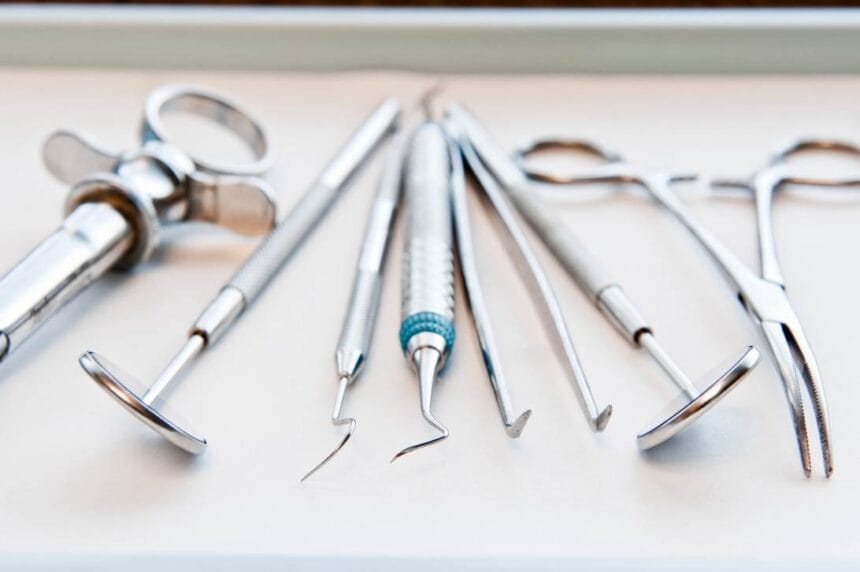
Beyond implants, titanium plays a role in surgical instruments. Scalpels, forceps, and clamps made from titanium offer durability with reduced hand fatigue for surgeons. The lighter weight supports precision during long procedures.
Imaging compatibility is another benefit. Titanium does not interfere with MRI scans in the same way some metals do. This allows patients with titanium implants to undergo imaging without additional risk or reduced image quality.
Manufacturing and Quality Standards
Producing medical-grade titanium requires strict quality control. Material purity, surface finish, and mechanical properties must meet healthcare regulations. This process involves specialized manufacturing techniques and reliable sourcing.
Healthcare manufacturers often work closely with titanium suppliers to ensure consistency and compliance with medical standards. Traceability and documentation help confirm that materials meet regulatory requirements for patient safety.
Ongoing Research and Innovation
Research continues to expand how titanium is used in medicine. Surface treatments and coatings are being developed to improve integration with bone and reduce healing time. Additive manufacturing techniques also allow for custom implant shapes that match individual anatomy.
These advances support more personalized care while maintaining the reliability that titanium is known for.
Titanium’s role in the medical industry continues to grow as technology advances. Its balance of strength, safety, and longevity supports a wide range of healthcare applications, from routine procedures to life-saving interventions. As innovation continues, titanium will remain a trusted material in modern medicine. Look over the infographic below for more information.