Now that the FCC, after two years of foot-dragging, has finally approved the plan to spend the $400 million appropriated for broadband expansion in rural areas, you might get the idea that the FCC Chairman has been on board from the start.
Now that the FCC, after two years of foot-dragging, has finally approved the plan to spend the $400 million appropriated for broadband expansion in rural areas, you might get the idea that the FCC Chairman has been on board from the start.
Julius Genachowski, who became the FCC Chairman in 2009, wrote a blog post for LinkedIn on Monday, titled “Telemedicine to Transform Healthcare for Underserved and Rural Communities.” It’s a first-person account of his trip to the Oakland Children’s Hospital and Research Center. He says all the right things, how telemedicine will “completely transform health care infrastructure in our country, improving quality of care for patients, while shaving billions of dollars off patient and healthcare system costs.” While there, he “was pleased to discuss” the FCC’s Healthcare Connect Fund which will subsidize 65% of the cost to connect rural health centers and clinics to the Internet.
Perhaps he was responsible for getting the FCC off the dime and doesn’t agree with FCC Commissioner Mignon Clyburn who said the cut in the subsidy from 85% to 65% was to “prevent wasteful spending.” I’m prepared to give him the benefit of the doubt, even if he were a recent convert to the benefits that telemedicine can bring to rural communities. Still, I think the FCC has made it more difficult for connectivity to expand for healthcare by reducing the subsidy.
I don’t think broadband Internet connectivity for personal use should be another entitlement warranting a subsidy. It should remain a privilege, not a right. Afterall, most people already have smartphones that can surf the Net. But when it comes to providing access to healthcare that benefits a community in an equitable way, I think the FCC could have and should have kept the subsidy at 85%. The only facilities that can apply for the subsidy beginning this coming summer are public and non-profit hospitals, rural health clinics, community health centers, health centers serving migrants, community mental health centers, local health departments or agencies and teaching hospitals.
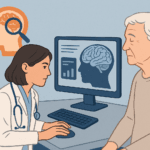
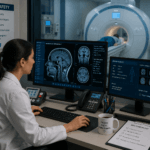
Teleneurology alone can save thousands of dollars in future costs of just one person’s healthcare by diagnosing a stroke within the first three hours of the onset of symptoms. Tissue Plasminogen Activator (tPA), a clot-busting drug, can help preserve a stroke patient’s quality of life if started within that window. According to the American Academy of Neurology, the average American lives an hour away from the nearest neurologist. Those in rural communities live much farther away than that. And we’re sort of presuming people know who and where their nearest neurologists are. The true benefit of telemedicine is getting the right patient to the right treatment at the right time – sooner rather than later.