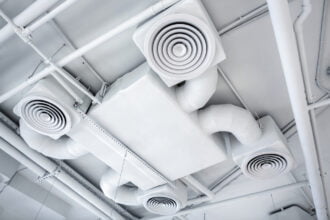
When you think of air pollution, power stations, planes, and traffic-clogged cities might be the first thing that came to mind. However, you might be surprised to learn that indoor air quality is often a lot worse than outdoor air quality. In fact, the quality of air inside your home can be nearly ten times worse than outside.
A lot of medical issues and symptoms experienced by people are caused by indoor air pollution. For this reason, it is essential to monitor and maintain safe or healthy air quality levels indoors. Here are five tips for homeowners to improve indoor air quality and thereby protect their health.
1. Seasonal Cleaning
Routine cleaning is an essential part of improving indoor air quality as it lowers the levels of mold, dust, allergens, and contaminants that spread through the air. However, consider seasonal cleaning if routine cleaning doesn’t suit your lifestyle. You might have trouble doing it when you are depressed, but there are ways to make it easier.
Sanitize, vacuum, and clear any clutter. The fewer pollutants you have in your space, the lower your chance of falling sick. Consider ditching the feather duster as the fiber on the feathers instead of trapping dust lifts the dirt and debris off surfaces and makes it airborne.
More Read
You can use a damp cloth or sponge to wipe the tables, desks, and office fans. Additionally, you might want to hire a professional cleaning service to deep clean your carpets and other upholstery materials. Also, use eco-friendly cleaning products that don’t release harsh chemical compounds into the air.
2. Avoid Plants
Now, this is a myth you wish wasn’t busted. Houseplants are aesthetic, and a quick internet search will tell you that they purify the air in a room. In fact, a lot of several websites will give you a number of plants that remove toxins and dangerous chemicals from the air. However, that is not always the case.
Plants do remove VOCs, but they remove them at a very slow rate that they won’t be able to compete with the air exchange mechanisms already happening in your home. Additionally, plants can also draw in pathogens, further worsening the condition.
Hence, your green friends are best left outdoors if improving indoor air quality is a concern.
3. Purify Air
Dust and pollen particles are often microscopic, and it is nearly impossible to clean something you can’t see. This is where an air purifier comes in.
Like the HEPA air purifier, a good air purifying machine will trap and remove almost all pollutants by filtering dirty air and releasing cleaner and fresher air back into the room.
Air purifiers are particularly great during the peak hay fever season that lasts from May to July. A few air purifiers also come with a LED display that flashes green when the surrounding air is clean.
Additionally, some also release negative ions into the indoor environment to neutralize airborne viruses and bacteria.
Ideally, you should look for an air purifier with a high CADR (clean air delivery rate). A high CADR number means the unit will filter the air faster.
4. Ventilate
As obvious as it sounds, keeping your airflow fresh is the most inexpensive way to improve indoor air quality. All you have to do is keep the windows and doors open whenever possible.
Now, this might seem counterintuitive during winter when you are trying to stay warm and save as much money as possible on central heating. However, ventilating your home is vital to let oxygen and dirty air out. It will also help reduce the humidity that dust mites need to survive.
Additionally, ensure you keep your rooms well-ventilated when using chemical-heavy cleaning or decorating products.
5. Use Air Vents
Using air ventilation in the kitchen when using the stove, and bathroom, particularly when showering, is crucial to improving indoor air quality. Think of this as letting your home exhale stale air and inhale fresh air through the natural cracks or fresh air inlets.
Make sure you keep the air vents unblocked. Placing storage boxes, cabinets, furniture, or chairs in front of air vents will hinder air circulation, causing your home to feel stuffy.
Put Health First
Indoor air quality should be one of the important concerns in your workplace as it can directly impact your overall health and wellbeing.
Poor IAQ will put you and your family at risk of many health problems, including respiratory illnesses to infections. It might also sometimes affect your mental health. By putting the tips mentioned in this article into practice, you can gradually increase your indoor air quality and improve your health.