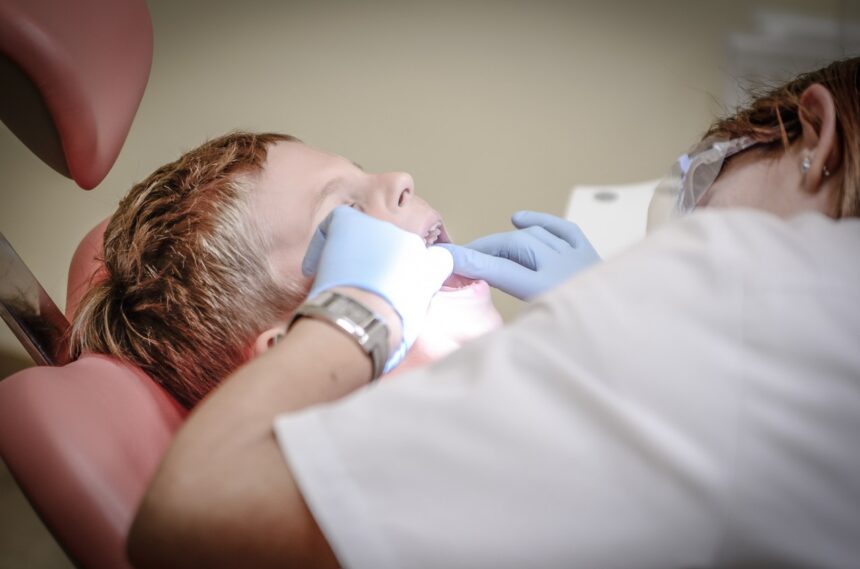
When examining your patients, don?t forget about the impact oral hygiene can have on their health. While not exactly a crystal ball, the mouth can be a window into a number of health disorders and illnesses. Teaching good dental hygiene and spotting oral issues early can help healthcare physicians offer a more holistic quality of care. The most severe form of gum disease, periodontal disease or periodontitis, is a top concern in oral health. It can cause infection and lead to a number of health conditions in the average adult. According to a recent study, those with serious gum disease are 40 percent more likely to have an additional chronic condition. For that reason, healthcare professionals should make oral inspections a regular part of checkups. Dentists and orthodontists are trained to catch these issues, but in the event that a patient doesn?t see their dentist regularly, it?s important to offer comprehensive care. Here are some health conditions to watch out.
1. Heart Disease and Stroke Risk
Research from EmaxHealth.com shows that those with periodontal disease are twice as likely to develop heart disease in the future. This is because bacteria and plaque from gum infections can enter the bloodstream and clog arteries. These blood clots are particularly dangerous because blood that flows from the gums can enter the carotid artery. Unfortunately, this increases the risk of stroke and even death.
2. Diabetes
In some cases, periodontitis can speed up the onset of diabetes, and in other cases, it can be the other way around. For starters, it can influence the body?s ability to manage insulin and blood sugar, leading to type 2 diabetes in adults. Additionally, high blood sugar can increase the risk of infection, including infections in the gums. If patients are complaining of pain, halitosis, and other oral symptoms, don?t rule out poorly managed diabetes as the culprit.
3. Alzheimer?s and Dementia Risk
Inflammation in the mouth doesn?t just result in blood clots or blood sugar issues. It can also affect the brain, which can kill brain cells. Poor dental health has been known to cause early onset of Alzheimer?s disease and dementia. It can also spread the illness through the brain more rapidly.

4. HIV/AIDS
A very common side effect of HIV/AIDS are painful mucosal lesions. These can show up all over the body, but they?re particularly common in the mouth. About one third of those with HIV or AIDS will develop mouth complications. As the immune system shuts down, there aren?t enough defense mechanisms in the mouth to fight off bacteria. This can result in ulcer-like infections that are difficult to treat and can interfere with eating and medication.
5. Osteoporosis Risk
There?s a controversial link between periodontal disease and osteoporosis. The literature behind this theory is sparse, but there?s reason to believe that periodontitis and the drugs used to treat it can contribute to the early onset of osteoporosis. It can also work the other way around. Some studies show that women with osteoporosis develop gum disease more often. The deficiency of vitamin D, calcium, and other essential nutrients could also play a role in increased cavities or mouth infections.
6. Pregnancy Risks
Going to the dentist is important when you?re pregnant. There?s some evidence to suggest that gum disease can contribute to health concerns for the baby including premature weight, heart defects, lung conditions, learning disorders, and inflammation of the fetus. Periodontal disease is more common in men than women, but it?s still important to watch out for in a pregnancy. Identifying the problem early can help healthcare providers mitigate or eliminate the risk.
7. Other Conditions
Poor oral hygiene and resulting mouth conditions can cause or worsen a number of health conditions including:
- Rheumatoid arthritis
- Eating disorders
- Sjogren?s syndrome
- Head and neck cancers
- Immune system disorders
It?s important to maintain a holistic view of healthcare when examining and treating patients. Symptoms of the mouth can often lead to more serious ailments. Encouraging good oral care is crucial in standard healthcare.