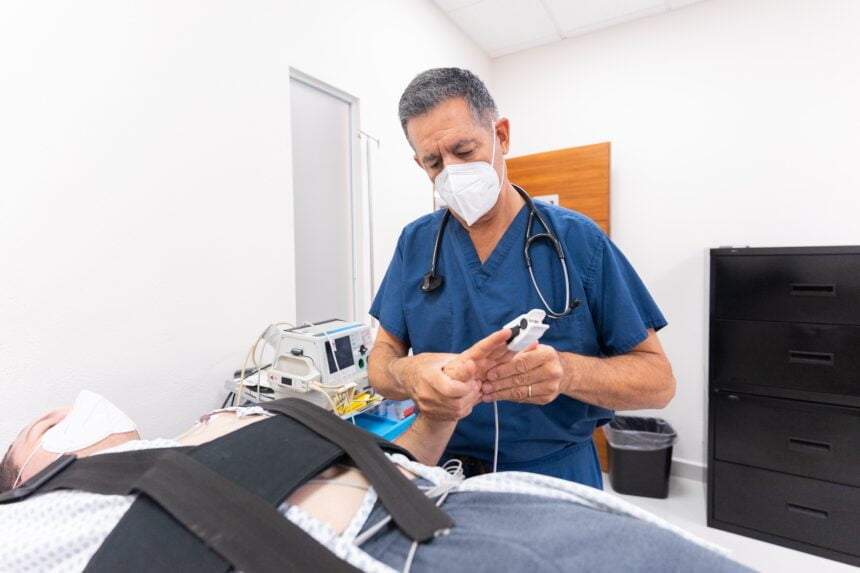
Being a full-time emergency doctor in a big hospital is hard work. It’s a challenging and demanding job, but it’s also gratifying. However, there are some truths and myths about this career that you should know before deciding to become an emergency doctor. Let’s take a look at seven of them.
- 1. You’ll Never Know What to Expect
- 2. You’ll Have a Good Chance of Getting a Job
- 3. You’ll Be Working Long Hours
- 4. You’ll Be Making a Difference in People’s Lives
- 5. You’ll See a Lot of Trauma
- 6. You’ll Be Working With a Lot of Different People
- 7. You’ll Be Expected to Work Under a Lot of Pressure
- Conclusion
1. You’ll Never Know What to Expect
Many people think you can never be prepared because you never know what will come through the door. However, this isn’t true. Emergency doctors are some of the most prepared and capable physicians out there.
Also, remember that while you may not always know what specific cases you’ll be seeing, you will know the broad range of illnesses and injuries you’ll be treating. So while you can’t always be prepared for everything, you can be prepared for most things.
2. You’ll Have a Good Chance of Getting a Job
It’s important to remember that being an emergency doctor is a very in-demand profession. There are always going to be hospitals and other medical facilities that need emergency physicians. So if you’re looking for a stable and secure career, emergency medicine jobs are a great choice.
More Read
3. You’ll Be Working Long Hours
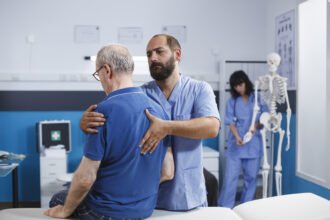
Being an emergency doctor requires you to work long hours after patient admission. However, it’s important to remember that this is your choice. If you don’t want to work long hours, you don’t have to. There are plenty of emergency doctors who work part-time or even per diem. It’s all about finding the right balance for you and your lifestyle.
Moreover, the long hours are often offset by the fact that you’ll have more days off than most other physicians. So you can enjoy your free time without worrying about being on call when you’re not working.
4. You’ll Be Making a Difference in People’s Lives
One of the best things about being an emergency doctor is that you’ll make a difference in people’s lives. Every day, you’ll be helping people when they need it the most. This enriching experience can make all the long hours and hard work worth it.
5. You’ll See a Lot of Trauma
While it’s true that emergency doctors see their fair share of traumas, they also know a lot of non-trauma cases. Most emergency department visits are for non-traumatic conditions like respiratory infections, gastrointestinal issues, and fevers. So while you will see some traumas, it’s important to remember that they make up a small minority of cases.
Furthermore, even when you see traumas, they’re not always as bad as you think. Often, patients come into the emergency department with injuries that can be easily treated. Thus, while you must be prepared for the worst, keeping things in perspective is essential.
6. You’ll Be Working With a Lot of Different People
Another common myth about emergency medicine is that you’ll work with many people. While it’s true that you’ll be interacting with a lot of different medical professionals, you won’t necessarily be working with them all the time.
In most cases, you’ll work with the same team of nurses, physician assistants, and other support staff. This can be a good thing, as it allows you to develop strong working relationships and build trust.
7. You’ll Be Expected to Work Under a Lot of Pressure
Finally, it’s important to remember that being an emergency doctor comes with a lot of pressure, as we have all seen in the last couple of years. Before entering this field, you must be prepared for epidemics, natural disasters, and public healthcare crises, among others.
Emergency medicine may not be your right career choice if you can’t handle working under pressure. However, if you’re up for the challenge, then you’ll find that it’s an advantageous field.
Conclusion
Emergency physicians are at the frontline of medicine, treating many patients. These professionals often care for patients who suffered traumatic injuries. Emergency physicians work as a team to save lives.
Emergency medicine is a challenging but rewarding field. If you’re considering becoming an emergency doctor, keep these truths and myths in mind. They’ll help you make the best decision for your career.