We use cookies, including third-party cookies from Google to serve personalized ads through AdSense, to operate this site and understand how it is used. By continuing to browse, you accept this use. See our Privacy Policy and Terms of Use for details, including how to opt out of personalized advertising.
Accept
Health Works CollectiveHealth Works CollectiveHealth Works Collective
  • Health
    • Mental Health
  • Policy and Law
    • Global Healthcare
    • Medical Ethics
  • Medical Innovations
  • News
  • Wellness
  • Tech
Search
© 2023 HealthWorks Collective. All Rights Reserved.
Reading: Predictors of Hospitalization in Congestive Heart Failure Patients
Share
Notification Show More
Font ResizerAa
Health Works CollectiveHealth Works Collective
Font ResizerAa
Search
Follow US
  • About
  • Contact
  • Privacy
© 2023 HealthWorks Collective. All Rights Reserved.
Health Works Collective > Specialties > Cardiology > Predictors of Hospitalization in Congestive Heart Failure Patients
CardiologyGeriatricsSpecialtiesWellness

Predictors of Hospitalization in Congestive Heart Failure Patients

eCaring
eCaring
Share
3 Min Read
SHARE

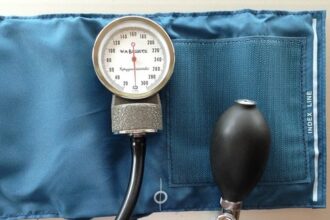
predictors hospitalizationDid you know heart failure is the leading cause of hospitalization in seniors over age 65?

predictors hospitalizationDid you know heart failure is the leading cause of hospitalization in seniors over age 65?

Heart failure affects nearly 6 million Americans annually. 80% of cases occur in older adults. Each year congestive heart failure (CHF) is associated with 1 million hospitalizations, of which the majority are “re-admissions” or re-hospitalizations. Because of the high cost of hospitalizations in the United States, CHF is in part responsible for driving healthcare expenditures through the roof. Close to $35 billion dollars is spent on heart failure each year.

What is congestive heart failure?

More Read

4 Helpful Tips For Packing For Your Meditation Retreat
If Only I Knew – September Is Gynecologic Cancer Month
Meaningful Use Guide for Radiology
Anti-Aging Supplements And Vitamins: Myth Vs. Reality
5 Tips for Taking Hormones During Gender Transition

Despite what the name suggests, congestive heart failure does not mean the heart has stopped working; rather, it indicates that the heart is not pumping blood efficiently. The weakened heart pumps less blood to the body resulting in an oxygen shortage to organs and increased pressure within the heart chambers. Consequently, fluid builds up in the lungs, legs, abdomen, arms, ankles, and feet. The accumulation of fluids after the onset of heart failure is called congestive heart failure.

What symptoms of Heart Failure predict hospitalization?

Although sudden onset of heart failure symptoms may occur in some cases, gradual onset that grows in severity over time is more common. CHF symptoms that may lead to hospitalization include:

  • Shortness of breath caused by fluid in the lungs following exercise, climbing stairs, or after eating. In advanced cases shortness of breath occurs even at rest.
  • Severe fatigue, weakness, or dizziness due to a shortage of oxygen to muscles and vital organs including the brain.
  • Edema (swelling) or the ankles, feet, and abdomen triggered by poor blood flow to kidneys
  • Sudden or explained weight gain indicates fluid retention
  • Bloating that may cause loss of appetite or nausea
  • Frequent nighttime urination occurs because the kidneys are receiving an inadequate amount of blood.
  • Dry, hacking cough as a result of congested lungs.
  • Rapid or Irregular heartbeat because the weakened heart is struggling to keep up

If you or someone you know is experiencing one or more of the symptoms on the list below, make an appointment to see a physician immediately.

Congestive heart failure is a progressive, complex disease that is affected by a variety of medical and lifestyle factors. Documenting your symptoms can help prevent future hospitalizations and assist in managing your condition. Consider using a digital care tracking program to log your daily personal care, eating habits, sleeping patterns, medication use, and recreational activities. This real-time, electronic personal health record could be extremely helpful to you, your physician, and everyone involved on your care team.


TAGGED:congestive heart failure
Share This Article
Facebook Copy Link Print
Share

Stay Connected

1.5KFollowersLike
4.5KFollowersFollow
2.8KFollowersPin
136KSubscribersSubscribe

Latest News

Mental Health Reimbursements Fail Emergency Departments -- AI-generated illustration
Mental Health Reimbursements Fail Emergency Departments
Hospital Administration Mental Health
August 6, 2026
Advances in Diagnostic Tools for Early Detection of Dementia -- AI-generated illustration
Advances in Diagnostic Tools for Early Detection of Dementia
Diagnostics
August 1, 2026
How Virtual Schools Deliver Therapy and Special-Education Support for Children With Disabilities -- AI-generated illustration
How Virtual Schools Deliver Therapy and Special-Education Support for Children With Disabilities
Health News Therapy
July 31, 2026
mri technology
Why Preventive MRI Maintenance Is Essential for Hospitals
Business Hospital Administration
July 24, 2026

You Might also Like

Health careObesitySpecialties

Should You Recommend Bariatric Surgery to Obese Patients?

May 30, 2017

Innovating Healthcare System Strategy: Creating the Commercial ACO

September 30, 2012
Assessing The Value Of Patients’ Fitness Trackers
eHealthWellness

Assessing The Value Of Patients’ Fitness Trackers

September 21, 2018
Eye Care

Eyeglasses vs. Contacts – An Unbiased Comparison

January 31, 2024
Subscribe
Subscribe to our newsletter to get our newest articles instantly!
Follow US
© 2008-2026 HealthWorks Collective. All Rights Reserved.
  • About
  • Contact
  • Privacy
Welcome Back!

Sign in to your account

Username or Email Address
Password

Lost your password?