We use cookies, including third-party cookies from Google to serve personalized ads through AdSense, to operate this site and understand how it is used. By continuing to browse, you accept this use. See our Privacy Policy and Terms of Use for details, including how to opt out of personalized advertising.
Accept
Health Works CollectiveHealth Works CollectiveHealth Works Collective
  • Health
    • Mental Health
  • Policy and Law
    • Global Healthcare
    • Medical Ethics
  • Medical Innovations
  • News
  • Wellness
  • Tech
Search
© 2023 HealthWorks Collective. All Rights Reserved.
Reading: Cultivating Health Improvement
Share
Notification Show More
Font ResizerAa
Health Works CollectiveHealth Works Collective
Font ResizerAa
Search
Follow US
  • About
  • Contact
  • Privacy
© 2023 HealthWorks Collective. All Rights Reserved.
Health Works Collective > Policy & Law > Public Health > Cultivating Health Improvement
Public Health

Cultivating Health Improvement

KennethThorpe
KennethThorpe
Share
3 Min Read
SHARE

As we grapple with exactly what this health care crisis means to each of us, there is one absolute truth about what most heavily burdens our system: chronic disease.

Chronic diseases are the leading cause of death and disability in the United States and account for the vast majority of health care spending. PFCD is working hard to raise awareness of chronic diseases and their unfortunate consequences and by doing so is rallying allies throughout the country who have a stake in health care reform.

More Read

The PCMH and Home Care Data: An Interview with Melissa McCormack
Delivering Collaborative Breast Cancer Care in the Oncology Medical Home
Thermalin Diabetes Follows the “Coulter Process” And Addresses Significant Needs in the Insulin Market
Don’t Forget Importance of Trust, Listening in Healthcare Delivery
Doctor/Patient Relationship: 7 Ways to Maintain Patient Interaction in the Age of the EHR

PFCD supports the Patient Centered Outcomes Research Institute (PCORI)in their efforts to close evidence gaps at all levels of care and uncover the information we need to fight chronic disease.  PCORI has an important opportunity to establish and sustain a program for patient-centered comparative effectiveness research. Patient-centered CER is needed to inform the decisions that doctors, caregivers and patients face every day about their medical care. Nowhere is this more important than in the area of chronic disease, where we face an array of important questions and many evidence gaps across the spectrum.

“What are the best approaches to preventing chronic disease?”

“What are the optimal screening and treatment strategies?”

“How do we effectively organize and manage patient care to make sure each patient gets the care they need and value?”

PCORI is in a position to help us answer these questions and has already taken notable steps to define a research agenda that is truly oriented around giving patients and providers the information they need, and organizing the delivery system to help them achieve better health outcomes. This work is important, but not always easy.

Because many Americans struggle with more than one chronic disease, a research program that goes broad and deep to uncover the areas of opportunity as well as the obstacles is imperative. By expanding research beyond traditional randomized controlled trials, recommendations can be prioritized to include interventions that can address multiple diseases simultaneously.

In order to efficiently and effectively cultivate health improvement, demanding better information and keeping health care patient-centered is critical. 
TAGGED:chronic diseasepublic health
Share This Article
Facebook Copy Link Print
Share

Stay Connected

1.5KFollowersLike
4.5KFollowersFollow
2.8KFollowersPin
136KSubscribersSubscribe

Latest News

Flat editorial illustration: A health-editorial scene of a first pain-management visit, bringing together attentive consultation,
What to Expect at Your First Pain Management Appointment
Therapies Wellness
October 29, 2026
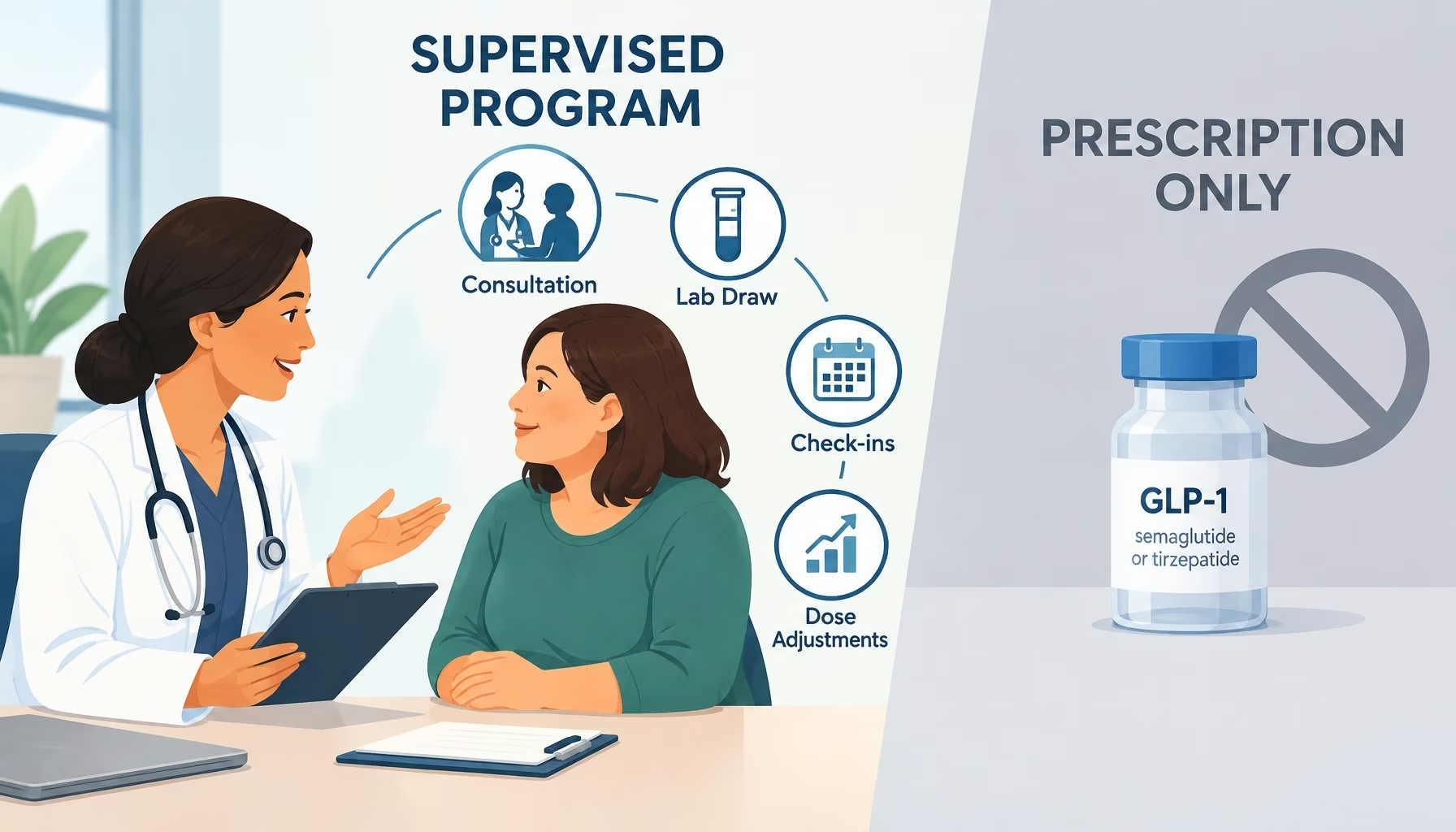
Flat editorial illustration: The core relationship is medication-only coverage versus coverage for a supervised clinical program.
Medical Weight Loss as a Workplace Benefit: The Questions I Would Want Asked
Weight Loss Wellness
October 29, 2026
Common Questions About Tirzepatide and Medical Monitoring -- AI-generated illustration
Common Questions About Tirzepatide and Medical Monitoring
Health
October 26, 2026
How Road Trauma Injuries Place Demands on Healthcare That Go Beyond the Examination Room  -- AI-generated illustration
How Road Trauma Injuries Place Demands on Healthcare That Go Beyond the Examination Room 
Global Healthcare Policy & Law
October 15, 2026

You Might also Like

CMS and Healthcare Reform: What’s the Connection?

March 1, 2013

Are Women Getting Crazier? Medco Seems to Think So

March 21, 2012

Collaborating for Mobile Health Innovation

December 9, 2012
healthcare spending
BusinessFinanceHealth ReformPolicy & LawPublic Health

Why Do Some States Spend More on Health Care?

April 18, 2013
Subscribe
Subscribe to our newsletter to get our newest articles instantly!
Follow US
© 2008-2026 HealthWorks Collective. All Rights Reserved.
  • About
  • Contact
  • Privacy
Welcome Back!

Sign in to your account

Username or Email Address
Password

Lost your password?