A radiant smile can be a person’s most captivating asset. Unfortunately, many individuals have experienced the loss of one or more teeth at some point in their lives, which can often lead to feelings of embarrassment. You might feel uncomfortable in public when you have a missing tooth, which can lower your self-esteem. One of the ways you might consider is considering dental implants. This is a simple procedure that is considered effective and safe. However, some failures can occur with your dental implant, and you need immediate help before it worsens. There are many ways and explanations why your dental implant might fail. This article will discuss the possible causes of dental failure, symptoms to look for, and prevention.
What Are Dental Implants?
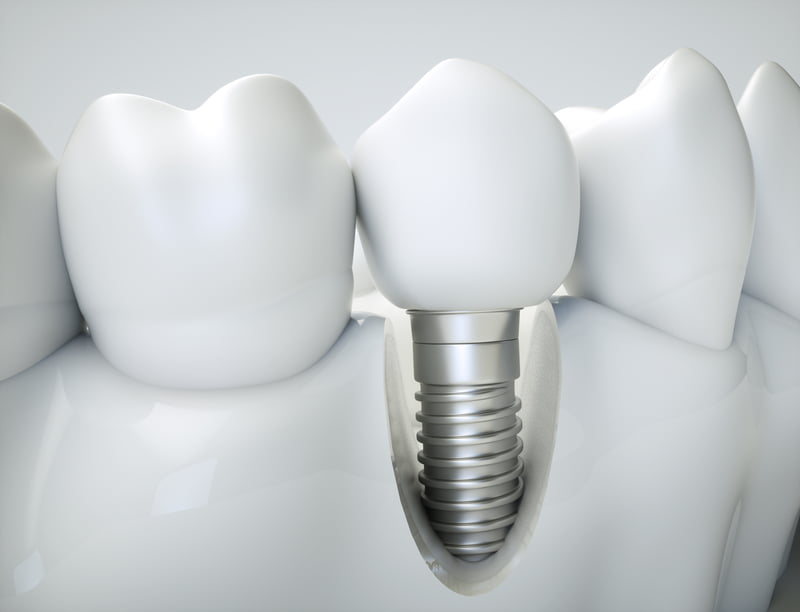
A dental implant is often a metal planted in the jaw bone to help support a false tooth or a tooth replacement. The procedure involves replacing the tooth roots with metal screw-like posts, which help replace missing or broken teeth with an artificial one that resembles and functions similar to a natural one. Dental implants mimic the structure and function of natural teeth, offering a solid foundation for replacement teeth or dental prostheses. The implants can also correct poor-fitting dentures or dental bridges. Additionally, it’s a great choice when you lack natural roots that will prevent the replacement of bridgework teeth and dentures.
Possible Causes of Dental Implant Failure
Discovering a failing dental implant is crucial to help avoid alveolar bone loss, which can reduce the chances of further dental implants.
- Sinus Rapture
This is a type of infection that can cause severe pain due to poor placement of the implant in the jaw. Before placing the implant, the dentist should consider many factors, such as the bone anatomy, the location of the nerve and blood vessels, and the lining of the nasal sinuses. Additionally, the tof-sims analysis should be conducted to ensure no contamination of the screws, which can cause the infection. It’s important to consider engaging an experienced dentist when placing an implant on the upper arch. This is because any mistake made during the placement, such as placing it incorrectly, can lead to the rapture of the implant’s tips through the nasal sinuses. If you have stayed a while with missing teeth, your sinus lining will drop. However, advanced 3D imaging plays a crucial role in ensuring the dental implant is a success even when the sinus lining has dropped.
More Read

Thorough pre-operative planning is essential to minimize the risk of sinus rupture during dental implant placement. This includes radiographic evaluation and careful assessment of the bone quality and quantity. Furthermore, it is necessary to work with a highly skilled dentist.
- Poor Born Health
One of the greatest failures for a dental implant is bone disease such as peri-implantitis. It’s not well-established that pre-implantitis results from foreign substances in the oral cavity. Pre-implantitis can harm the bone or gum surrounding the implant and can result in implant failure or bone loss. Moreso, if the new implant is exposed to occlusal overload due to the chewing and biting of food can lead to stress on the bone. Pre-implantitis specifically targets the implant area, resembling gum disease (periodontitis). If left untreated, peri-implantitis can lead to bone loss and implant failure. Poor oral hygiene, bacterial infection, smoking, genetic factors, and certain systemic conditions contribute to the development of this condition.
To treat the condition, augmentation stabilizes the jay and the adjacent teeth. It’s important to note that the graft failure signs will resemble those of gum disease. It’s important to consult your dentist before the implant to determine if you have bone loss.
- Implant Misalignment
One of the most challenging parts of the dental implant is ensuring that the bone surrounds the implant. That is why it’s necessary to look for an experienced dentist to install the implant. Not all part of the bone is optimal for positioning the implant. The replacement tooth or crown will appear unnatural when the dental implant is misaligned.
Implant misalignment can affect the overall cosmetic outcome, resulting in an asymmetrical or unnatural-looking smile. It can also disrupt the normal occlusal (bite) relationship. Patients may experience difficulties with chewing, speech, or general bite stability.
- Medication
Different medications and procedures can directly or indirectly affect your bone density. If you plan to do a dental implant, consider reviewing your medication and consulting with your dentist to make the necessary arrangements. The dentist will check if you have insufficient bone and if they are related to the medication you are taking. Depending on the result, they can recommend doing a bone graft. Even though you might have good oral hygiene, some medications will cause a threat to your implant.
Bisphosphonates are a type of medication. Doctors commonly prescribe it for the treatment of osteoporosis and other bone-related conditions. However, long-term use of this drug has been associated with a rare yet severe condition known as bisphosphonate-related osteonecrosis of the jaw (BRONJ). This condition can impair the healing process and increase the risk of implant failure. Informing your dentist about your bisphosphonate usage is essential for evaluating potential risks and adjusting the treatment plan accordingly.
- Inaccurate Impressions
Dental implant procedures will require the dentist to send impressions and send them to the lab to make the crowns. When the impression is inaccurate, the artificial teeth may not fit correctly. The slightest mismatch will cause a gap between the gum and the crown, allowing bacteria to enter the gum and cause infections. This will require a replacement of the implant and treatment of the infection, which is possible.
Bottom Line!
The above are causes of dental implant failure that can be prevented. Look for an experienced dentist to perform the dental implant procedure to avoid implant misalignment and sinus rapture. Additionally, ensure the medication you use does not affect your bone density.