By using this site, you agree to the Privacy Policy and Terms of Use.
Accept
Health Works CollectiveHealth Works CollectiveHealth Works Collective
  • Health
    • Mental Health
  • Policy and Law
    • Global Healthcare
    • Medical Ethics
  • Medical Innovations
  • News
  • Wellness
  • Tech
Search
© 2023 HealthWorks Collective. All Rights Reserved.
Reading: Breaking Language Barriers in Healthcare Using Digital Technology
Share
Notification Show More
Font ResizerAa
Health Works CollectiveHealth Works Collective
Font ResizerAa
Search
Follow US
  • About
  • Contact
  • Privacy
© 2023 HealthWorks Collective. All Rights Reserved.
Health Works Collective > eHealth > Breaking Language Barriers in Healthcare Using Digital Technology
eHealthTechnology

Breaking Language Barriers in Healthcare Using Digital Technology

eCaring
eCaring
Share
2 Min Read
SHARE

digital technology in healthcare

The non-English speaking patient population in the U.S. accounts for an estimated 30 million people. Navigating our health system is challenging enough for native speakers, but what about for those for whom English isn’t their first language?

Language barriers have been demonstrated to lead to a number of adverse health outcomes including:

digital technology in healthcare

More Read

password management for healthcare companies
Hospital software with high ROI
HealthCare Social Media Review: First Ever Edition!
Cybersecurity in Healthcare: What’s Working?
How Doctors Can Use Mobile eHealth Apps To Monitor Their Patients
The Top Healthcare Innovations For 2025

The non-English speaking patient population in the U.S. accounts for an estimated 30 million people. Navigating our health system is challenging enough for native speakers, but what about for those for whom English isn’t their first language?

Language barriers have been demonstrated to lead to a number of adverse health outcomes including:

  • Decreased patient satisfaction
  • Lack of preventive health services
  • Repeat visits to the emergency room
  • Longer hospital stays
  • Non-compliance with treatment
  • Increased number and severity of medical errors
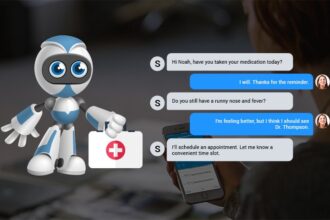
However, digital technology has opened an entirely new frontier for addressing communication problems. eCaring is one of the first health care technology companies to address the issue head on. Our copyrighted icon-based language was designed in mind for people with limited technology skill and for whom English may not be a first language. Our home care monitoring interface allows home care aides and patients, regardless of English literacy, to capture huge amounts of information about the real-time care and condition of patient’s at home, including clinical, behavioral measures as well as medication adherence information.
 
MedCity News shares more about how eCaring’s unique icon-based program is breaking down language barriers in home health care, here. 
TAGGED:doctor-patient communication
Share This Article
Facebook Copy Link Print
Share

Stay Connected

1.5KFollowersLike
4.5KFollowersFollow
2.8KFollowersPin
136KSubscribersSubscribe

Latest News

man with bandage on foot
How Personal Injury Claims Intersect with Healthcare Treatment and Medical Documentation in Everyday Patient Care Settings
Health care
May 9, 2026
close up of dental examination in belo horizonte clinic
A Modern Approach to Straighter Teeth Without Disrupting Daily Life
Dental health
May 9, 2026
fight againt cancer
The Healthcare Careers Being Shaped Most Directly by AI and Digital Transformation
Career Health Technology
May 8, 2026
an autistic person working hard in healthcare
DEI Challenges for Neurodivergent Workers in Healthcare
Health
May 4, 2026

You Might also Like

low patient satisfaction scores
eHealthMobile Health

The High Cost of Low Patient Satisfaction Scores [INFOGRAPHIC]

October 20, 2013
anthem logo
BusinessNewsPolicy & LawTechnology

Blue Cross Blue Shield Provider Anthem Hacked

February 11, 2015
digital health
eHealthTechnology

Is Digital Health Helping or Failing Patients? A Conversation Between a Futurist and ePatient

April 15, 2014

Unintended Consequences of Changing the Current 510K System for “Moderate Risk” Devices

August 6, 2011
Subscribe
Subscribe to our newsletter to get our newest articles instantly!
Follow US
© 2008-2025 HealthWorks Collective. All Rights Reserved.
  • About
  • Contact
  • Privacy
Welcome Back!

Sign in to your account

Username or Email Address
Password

Lost your password?