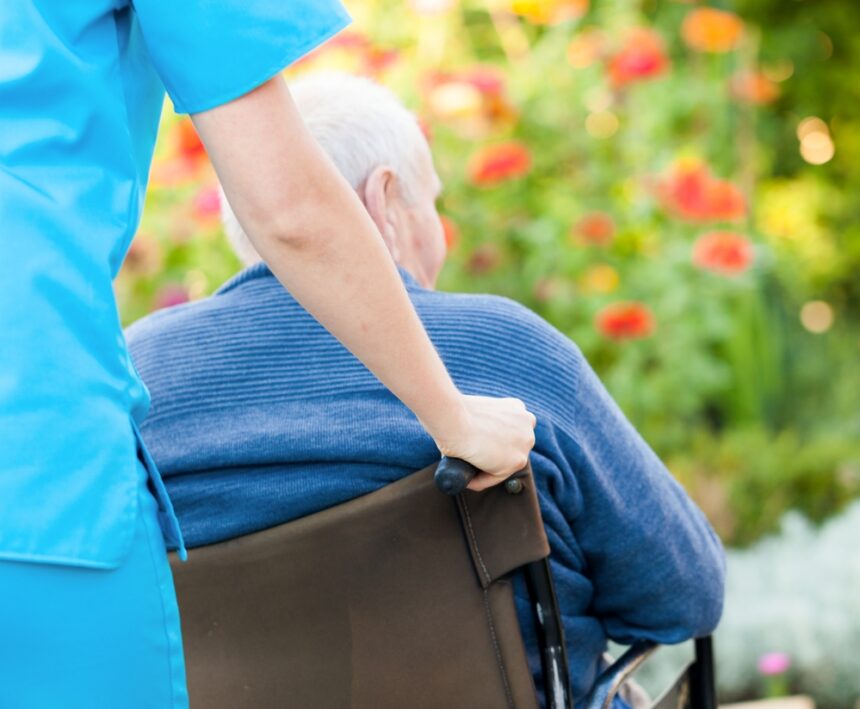
Falls are the number one cause of fatal injuries in seniors. One out of three senior citizen falls every year. About 46 percent of men are more likely to die from falls, and 58 percent of women are more likely to experience non-fatal injury from falls than men. A fall injury is a serious concern as it’s the leading cause of traumatic brain injuries, nonfatal injuries, hospital trauma admissions, and even death. When an adult age 65 or older falls, it’s imperative to call for medical attention immediately or within the hour. Otherwise, they may not be able to live independently due to the injuries incurred. If seniors fall and become stuck in an uncomfortable position for several hours, they are likely to be hospitalized. Some of them may not be able to recover immediately. Senior citizens who don’t get medical attention after 12-17 hours may develop serious health conditions such as dehydration, pneumonia, pressure sores and hypothermia.
The Causes of Falls in Seniors
Several factors contribute to a fall. One primary cause is the physical environment at home. Clutter, slippery surfaces, uneven flooring, loose rugs and other objects, unstable furniture or poor lighting are risk factors. Other conditions that contribute to a fall include:
Poor balance, weak muscles, and reflexes
Physical weakness is common in seniors — especially when they don’t exercise — which may lead to difficulty performing daily activities. As they age, they also lose or weaken their coordination or other nervous system functions that make it likely for them to fall. Those who have suffered a stroke are also likely to fall.
Vision problems
Vision-related problems such as glaucoma or cataracts can contribute to a fall. It’s difficult to move around the house when you can’t see clearly or find it hard to adjust to the lighting. Medical conditions such as dementia, arthritis, diabetes, foot disorders, vertigo, thyroid problems and anemia are risk factors too. When your loved ones have these conditions, make sure you take extra precaution to keep them safe.
More Read
Steps to Fall Proof a Home
Identifying hazards is an important step to fall-proof a home. Remove anything that may cause your loved one to fall, or make any minor changes at home to reduce the likelihood of a fall.
Here are a few things you can do:
Flooring
Slippery surfaces, loose floor coverings, and clutter are trip hazards. Seniors with vision problems may also trip if the flooring is uneven.
What to do:
- Remove loose rugs or mats
- Secure the carpets
- Declutter — especially the stairways
- Immediately dry wet floors
Lighting
Diabetics with eye complications or any senior with poor eyesight may trip or fall in dull or poor lighting. Proper lighting enables seniors to walk around freely without difficulty or discomfort.
What to do:
- Avoid lights that create dark shadows, or bright lights that cause glare
- Never let senior citizens change lightbulbs by themselves
- Have a lamp or light beside your loved one’s beds
- Consider having a night light in the stairs, bathroom, and hallways
- Stairways and bathrooms should have handrails
- Kitchen shelves should be easily accessible to your loved ones.
Additional tips to fall-proof a home
Always clear the walking paths, especially the hallways and the stairs. Make sure to remove items that are a trip or fall hazard. Always fix dripping faucets and showers, as wet floors are hazardous to seniors. It’s best to have non-slip mats, especially in the shower or on the bathroom floor.
An Active Lifestyle Helps
Prevention is always better than cure. Seniors who practice a healthy and active lifestyle have improved posture, health, coordination, and balance. If you have an aging parent or loved ones, help them stay active to improve their overall health. Walking can strengthen the muscles in their legs while stretching improves their balance. You may also want to consider yoga and tai chi for them, which are safe, no-impact exercises that improve muscle tone and flexibility. Talk to a professional who can develop physical activities for your loved ones. Along with these, make sure that they have regular eye check-ups for treating eye-related conditions. You may buy them well-fitting and high-quality shoes to avoid discomfort when walking. Staying active greatly helps. However, it’s also best for seniors to have a medical alert system. These are devices that send a signal to the right people when medical attention is needed. They come in different forms such as pendant-style, speakerphone or cellular medical alert systems. Some of these are also waterproof so your loved ones can wear them in the shower. One affordable medical alert system to consider is Bay Alarm Medical, which has flexible payment plans and no contract. Medical Alert Buyers Guide is a helpful resource listing the top-rated medical alert systems. These devices can save lives. Getting one for your loved one will give you peace of mind as you know help is just a push of a button away.