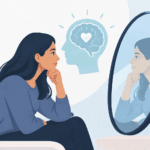
Playing games is often seen as a fun pastime, an escape from the monotony of daily life. However, beyond just entertainment, certain games have the power to benefit our mental well-being. They can sharpen cognitive abilities, offer emotional catharsis, foster social connections, and much more. In this piece, we delve into ten such games, with particular emphasis on the Hearts card game, Sudoku, Chess, and Checkers.
Sudoku
This number-based puzzle might seem like a simple grid at first, but as millions can attest, it’s an addictive mental challenge. Sudoku not only enhances logic and problem-solving abilities but also improves concentration. The sense of accomplishment after completing a challenging grid can give a significant boost to one’s self-esteem, making the game a perfect blend of relaxation and cognitive stimulation.
Chess
Chess, the legendary game of kings, is renowned for its strategic depth. Every move and counter-move requires forethought, demanding players to think several steps ahead. Regularly playing chess can improve memory, enhance problem-solving skills, and cultivate patience. Moreover, it teaches players to handle defeat gracefully, an invaluable life lesson.
Hearts Card Game
At its core, the Hearts card game is a test of strategy and understanding. As players try to avoid certain cards that carry penalty points, they must anticipate their opponents’ moves. This requires empathy and perspective-taking, as you try to infer what the other players are planning. The game’s social nature, combined with its demands on emotional intelligence, make it an excellent workout for the mind.

Checkers
At first glance, Checkers might seem like a simple game. However, its simplicity is deceptive. Checkers promotes strategic thinking and pattern recognition. Planning your moves in advance and predicting your opponent’s next step can be as challenging as chess, making it a beneficial game for cognitive development.
Portal 2
Merging an engaging storyline with intricate puzzles, Portal 2 is more than just a video game. Players must navigate a series of challenges using the game’s unique portal gun, promoting creative problem-solving and spatial awareness. When played in its co-op mode, it also teaches collaboration and teamwork.
Stardew Valley
Taking a break from the typical hustle and bustle, Stardew Valley immerses players in the soothing world of farming. Beyond the farming mechanics, players engage with in-game characters, building relationships and community ties. The calming soundtrack and gentle pace offer a therapeutic escape from daily stressors.
Lumosity
Designed with the insights of neuroscientists, Lumosity offers an array of games crafted to enhance various cognitive functions. Whether it’s memory, attention, or problem-solving, there’s a game tailored to challenge and improve it. Its adaptability ensures players always find the games stimulating, no matter their skill level.
Jigsaw Puzzles
The humble jigsaw puzzle can be a fantastic tool for mental relaxation. As players hunt for the perfect piece, they improve their pattern recognition and spatial intelligence. The act of fitting pieces together can also be meditative, offering a tangible sense of accomplishment upon completion.
The Legend of Zelda: Breath of the Wild
This action-adventure game stands out for its vast open-world exploration. As players navigate through diverse terrains, solve puzzles, and engage with in-game characters, they’re treated to a narrative-driven journey. Such open-world games encourage exploration, creativity, and strategic planning, providing both entertainment and cognitive stimulation.
Mindfulness Coloring Apps
While not a “game” in the traditional sense, coloring has been shown to have numerous mental health benefits. Digital coloring apps like “Colorfy” or “Happy Color” offer users a plethora of designs to color. This activity is akin to meditation, allowing users to focus on the present moment, reducing anxiety and stress.
In Conclusion
The world of games is vast, and its potential benefits for mental health are only beginning to be recognized. From traditional board games to modern video games and digital apps, each offers unique challenges and rewards. Whether you’re looking to improve cognitive functions, foster emotional resilience, or simply take a break from the daily grind, there’s a game out there that’s perfect for you. So the next time you pick up a controller, shuffle a deck, or tap on an app, remember that you’re not just playing; you’re also nurturing your mind.