We use cookies, including third-party cookies from Google to serve personalized ads through AdSense, to operate this site and understand how it is used. By continuing to browse, you accept this use. See our Privacy Policy and Terms of Use for details, including how to opt out of personalized advertising.
Accept
Health Works CollectiveHealth Works CollectiveHealth Works Collective
  • Health
    • Mental Health
  • Policy and Law
    • Global Healthcare
    • Medical Ethics
  • Medical Innovations
  • News
  • Wellness
  • Tech
Search
© 2023 HealthWorks Collective. All Rights Reserved.
Reading: Health Care Buzz Today
Share
Notification Show More
Font ResizerAa
Health Works CollectiveHealth Works Collective
Font ResizerAa
Search
Follow US
  • About
  • Contact
  • Privacy
© 2023 HealthWorks Collective. All Rights Reserved.
Health Works Collective > Business > Health Care Buzz Today
Business

Health Care Buzz Today

GlennLaffel
GlennLaffel
Share
2 Min Read
SHARE

$400M in EHR Incentives Released. The government has paid $400 million in meaningful use incentives to physicians and hospitals so far, a Centers for Medicare and Medicaid Services reported.

$400M in EHR Incentives Released. The government has paid $400 million in meaningful use incentives to physicians and hospitals so far, a Centers for Medicare and Medicaid Services reported.

Pfizer Looks At Lipitor Over-The-Counter. Pfizer wants to introduce a version of its popular cholesterol pill Lipitor that consumers could buy without a doctor’s prescription, according to people familiar with the matter.

Scorpion Sting Antidote Wins Approval. The FDA has approved the biologic Anascorp as an orphan drug to treat scorpion stings, making it the first antidote against scorpion venom.

More Read

Long Term Services and Supports Scorecard
Do You Understand Your Medical Bills? I Don’t
LinkedIn Publishing: Reputation Management Tool for Physicians
HealthCare Marketing: Choosing the Right Healthcare Advertising Channel
Myths About Continuing Care Retirement Communities

Dyslexics Can’t ID Voices, Study Shows. Recognizing written words is tough for people with dyslexia. But a new study suggests the disorder might also make it harder to recognize the voices of people as they speak.

Governor Rick Perry’s Controversial Surgery Sparks Debate. Texas Gov. Rick Perry received an injection of his own stem cells during spinal fusion surgery last month and wants his state to be a leader in the use of adult stem cells in medical treatment.


TAGGED:healthcare business
Share This Article
Facebook Copy Link Print
Share

Stay Connected

1.5KFollowersLike
4.5KFollowersFollow
2.8KFollowersPin
136KSubscribersSubscribe

Latest News

Flat editorial illustration: The article connects routine visual inspection and accurate barrier fit with protection of peristoma
Peristomal Skin Care: Healthy Skin, Irritation Causes, and When to See a WOC Nurse
Health Nursing
November 2, 2026
Flat editorial illustration: Clinical-trial operations editorial illustration combining healthcare and technology: country-specif
Clinical Study Operations Across Eastern European Research Markets
Health
October 31, 2026
Flat editorial illustration: A health-editorial scene of a first pain-management visit, bringing together attentive consultation,
What to Expect at Your First Pain Management Appointment
Therapies Wellness
October 29, 2026
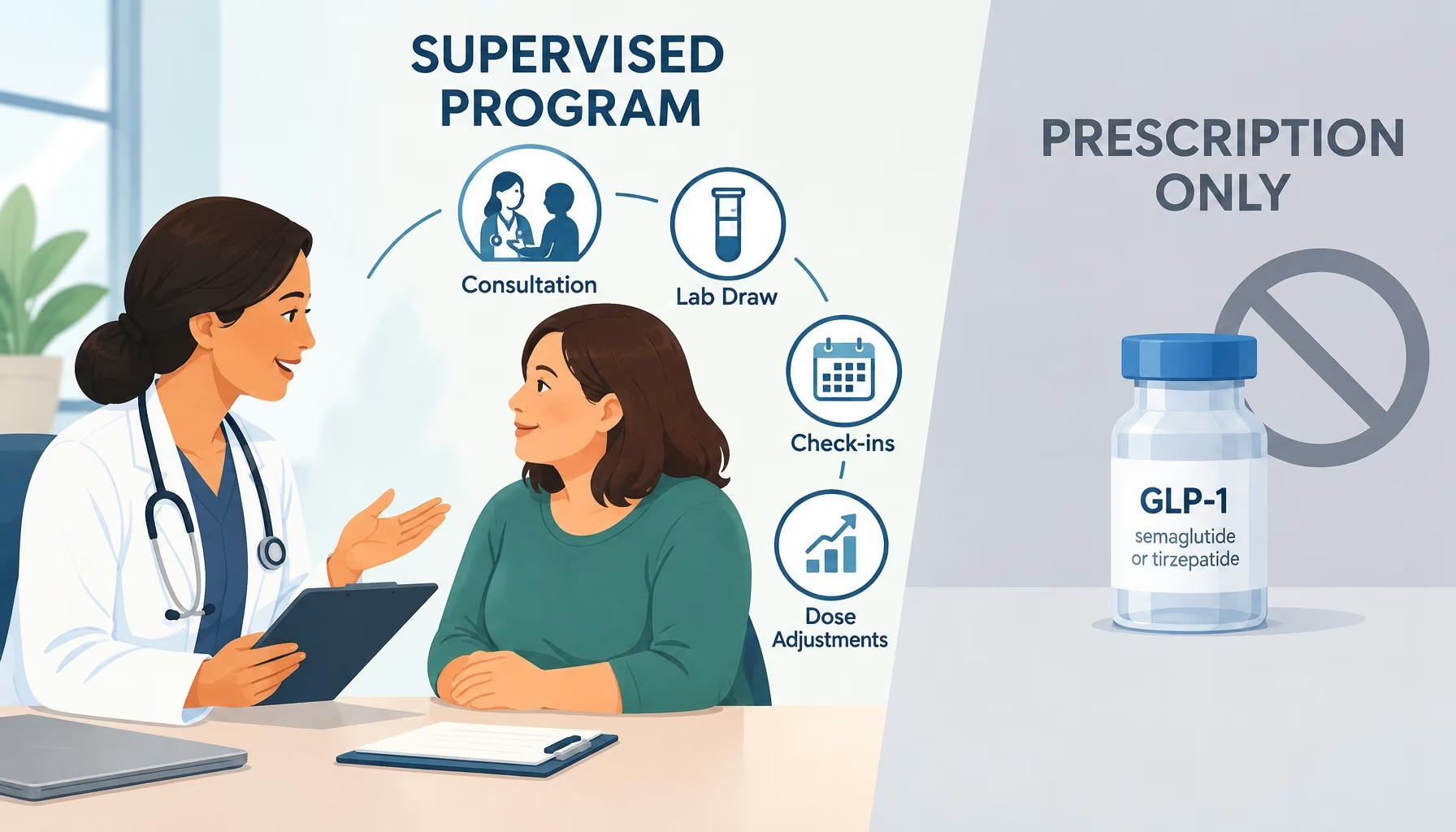
Flat editorial illustration: The core relationship is medication-only coverage versus coverage for a supervised clinical program.
Medical Weight Loss as a Workplace Benefit: The Questions I Would Want Asked
Weight Loss Wellness
October 29, 2026

You Might also Like

Image
BusinessHospital AdministrationPolicy & Law

Is IRO Right for You?

January 19, 2015

Correct Use of Tables in PowerPoint Presentations

February 15, 2015
The ACA has put patients at the center of healthcare services. A patient-centric healthcare approach in this digital era means a revised definition of quality in the physician-patient relationship. When it comes to healthcare services, patients shell out a hefty amount from their pocket and want nothing less than the best. The services in healthcare are no longer limited to just cost as consumers now evaluate quality and experience in the same equation. Research highlights from the 2015 Healthcare Consumer Trends by National Research Corporation states that reputation in healthcare matters more to consumers when choosing a brand than any other industry, e.g. hospitality, retail, airline, etc. The new generation of quality measurements in healthcare require a different mind-set and a different 'toolbox' to handle the hurdles. It’s the need of the hour for healthcare providers and others across the healthcare value chain to adopt the patient-centric approach for surviving in the vast competitive ocean of healthcare services. Patient-centric care is an approach that develops through effective communication, empathy and a positive physician-patient relationship. The primary purpose is to improve patient care outcomes and satisfaction and to reduce patient symptoms and unnecessary costs. It’s a win-win situation for both physicians and patients. While healthcare providers are able to support their patients in becoming more compliant with treatment and management of their conditions/diseases, patients feel more satisfied with the care that they are receiving. PwC’s Health Research Institute’s annual report 2016 states that health systems should keep an eye on the consumer experience as they expand and extend. More partnerships and more caregivers could mean confusion for patients and poor customer experiences. To differentiate their practice among competitors, patient satisfaction can be used as a competitive distinguishing factor. Although patient satisfaction cannot really provide tangible benefits, but an experience that exceeds patient expectations for what a practice/hospital can provide is very important as it creates loyal patients who return for future health needs and refer their family and friends. Happy and satisfied patients are a secret marketing weapon for healthcare providers, whether they are physicians, dentists, physiotherapists or hospitals. Your patients are the new-age digital health decision-makers. In this era of Internet and social media, they now have multichannel access to information related to health. Needless to mention, they have gained new power to make their decisions; whether it’s choosing a healthcare provider or referring a physician to family and friends. By converting your satisfied patients to be your brand advocates, you can capitalize and use their voice as an effective marketing strategy to reach out to many other potential patients. To strive and thrive, in the U.S. many healthcare organizations are applying patient-centric approaches to healthcare. It’s all about what matters to patients, so it makes a lot of sense for the healthcare industry to place patients' healthcare experience at the center of their policies and procedures. The best deliverables are a combination of great communication for a positive physician-patient relationship, disciplined measurement and analysis of patient feedback and commitment to technology innovation – the formula for improving patient engagement and care.
BusinessHealth ReformWellness

The Link Between Patient Satisfaction and Long-Lasting Relationships

April 28, 2016

Shift Bidding and Staffing the Unit

February 17, 2012
Subscribe
Subscribe to our newsletter to get our newest articles instantly!
Follow US
© 2008-2026 HealthWorks Collective. All Rights Reserved.
  • About
  • Contact
  • Privacy
Welcome Back!

Sign in to your account

Username or Email Address
Password

Lost your password?