We have talked a lot about the importance of mental health. The CDC estimates that around 20% of Americans will suffer a mental illness in any given year and 50% will have a mental illness at some point in their lives.
A lot of the problems that cause mental illness are biological and require medication. However, others are caused by compounded stress gradually taking its toll on us. We need to do everything that we can to manage stress and stay positive.
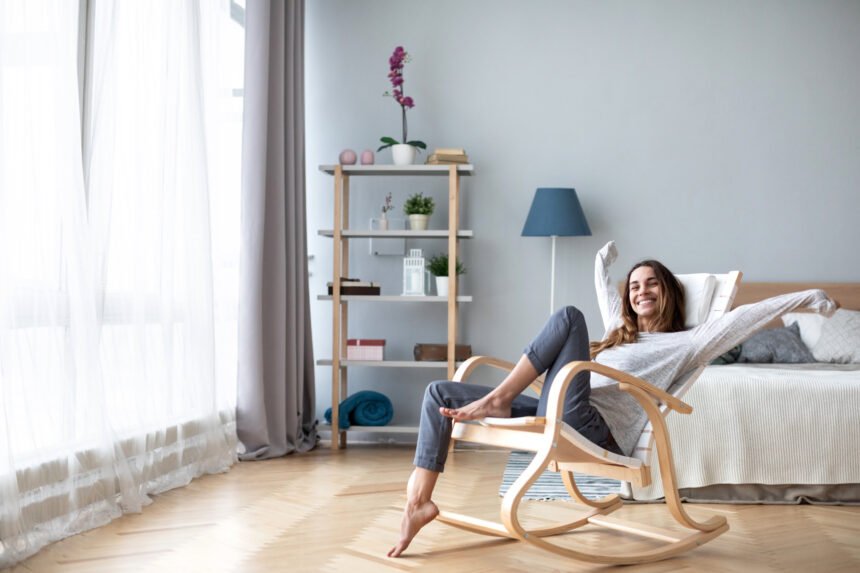
You may want to start by making your home a positive place to be. Your home should be a place where you can relax and unwind. With so much pressure on people in their working lives, you may want to prioritize your well-being outside of working hours. Trying to put your well-being first at home can help you to feel more at peace, and even promote positive mental health. This can be especially important for seniors trying to stay healthy, since they are prone to depression and other mental health issues. Doing so can be rather simple, depending on how many changes you wish to make.
Use imagery
The art around your home can make a big difference in how you feel. While some styles of art can be fun, they could be keeping your mind far too active. They may also be rather impersonal, especially if you have seen the same images in numerous places. Creating a collage of tile photos of your favorite places, people, and even memories may help you to remember some of the great things you have done in life. Having these positive mementoes around can be especially useful on days when you feel stressed or despondent, as they may serve as reminders of why you work so hard.
More Read

Consider color schemes
As with artwork, certain colors can also represent different emotions. Many of us may associate red with anger, or blue with sadness, so may want to avoid using these in our homes. Looking for colors that make you feel calm when you view them can be important.
In addition to this, some people may opt to paint their walls a neutral tone, such as white or grey. However, these can feel far too clinical, and even prevent you from feeling genuinely at home in the space. While you may want to try and make each room of your home look sophisticated, it could actually be beneficial to instead use colours that you love. If members of the household disagree, finding a compromise where everyone’s choices can be implemented can help with each individual’s sense of wellness in the home.
Use light to your advantage
One of the ways that some people feel better can be through the absorption of vitamin D from natural light. Keeping your blinds or curtains closed all the time can prevent this from occurring. Alongside opening your window coverings, you may want to consider other ways that you can create a brighter home.
If possible, increasing the size of windows may be a good idea, or even installing skylights in certain areas. Utilizing mirrors and lighter flooring in your home can also help to open spaces up and make them seem bigger. When large changes aren’t an option, especially during the darker times of the year, you may want to think about the types and colors of artificial light you use in your home, as these may also make a difference.
Altering your home to make you feel happy could be one way to promote positive mental health. Small changes, and paying attention to color details, may create a sense of happiness and calm within your living space.