
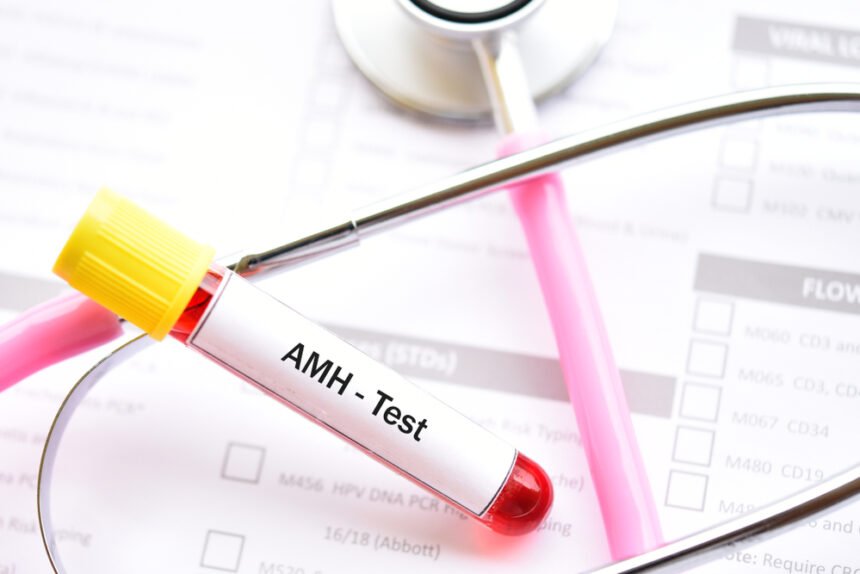
Anti-Mullerian hormone is one of the indicators of your chances to conceive. Couples who are treating for infertility benefit from knowing their AMH levels. AMH levels indicate the possible problems with conception and also help your doctor craft a personalized treatment tailored to give you best chances to conceive a baby. Before looking into the importance of taking an anti-Mullerian hormone test, let’s look into the AMH and all of the ways in which it affects conception.
What is AMH (Anti-Mullerian Hormone)?
The Anti-Mullerian hormone releases from your follicles as they mature. The presence and the amount of AMH are relatively consistent throughout the month, which is why you can take the AMH test during any stage of the menstrual cycle. AMH levels indicate a couple of important details related to conception:
- The ovarian reserve.
- Possible health conditions preventing conception.
- The right fertility treatment adjustments.
Since the follicular stage of the menstrual cycle is under the influence many factors, the following can affect the AMH levels and the ovulation:
Stress and disturbed sleep
Stress greatly reduces AMH levels. In fact, extreme stress can even cause a miscarriage of an existing pregnancy. Most women who are trying to conceive have to do the best they can to relieve stress by getting more rest, adjusting their lifestyle and relationships, but also taking light herbal teas and spending more time in the fresh air.
Disease
Conditions related to the female reproductive system (uterus and ovaries), as well as any other health problems that affect the reproductive system cause non-optimal AMH levels.
Medication
Taking medication for illnesses related to the reproductive system (endometriosis, polycystic ovarian syndrome), as well as other intense treatment (e.g cancer or leukemia) can affect AMH levels.
Diet
Unhealthy diet, rich in fats and processed foods, also has a negative impact on AMH levels. To improve your AMH levels naturally, make sure to switch your diet to low-fat, fiber-rich, and nutrient-dense foods.
Anti-Mullerian Hormone and Conception
Overly low and overly high AMH levels indicate problems with conceiving a baby. Here’s a short guide to AMH values:
AMH below 1.0
Having an AMH score below 1.0 means that there’s a health factor influencing your ability to conceive. This could be a matter of weight, overall health (or chronic illness), or even age. If you score an overly low AMH, your doctor will run more test to check your health and suggest the right treatment and lifestyle changes.
Normal AMH (1.0-4)
If your AMH is normal that means that your fertility issues are caused by other factors. Technically, you shouldn’t be having trouble with getting pregnant. With a normal AMH level, your doctor will look into sperm issues, stress, and other factors that might be keeping you from getting pregnant.
Elevated AMH (above 4.0)
High AMH indicates PCOS (polycystic ovarian syndrome). If your doctor suspects PCOS, they will run the necessary tests and prescribe the right medications to get your hormone levels back to normal.
Why Should You Take an AMH test?
An AMH test can provide insight into numerous important questions regarding conception and fertility treatment. Your AMH test will indicate possible health factors preventing you from getting pregnant, but also issues coming from your male partner. On the other hand, AMH is a strong indicator of the right course of treatment for your doctor.
To take an AMH test, you only need to give one small blood sample. The results will come in within a couple of days, depending on the lab. Since AMH test doesn’t relate to the menstrual cycle, and it doesn’t require any dietary restrictions, you can schedule it anytime that’s convenient.