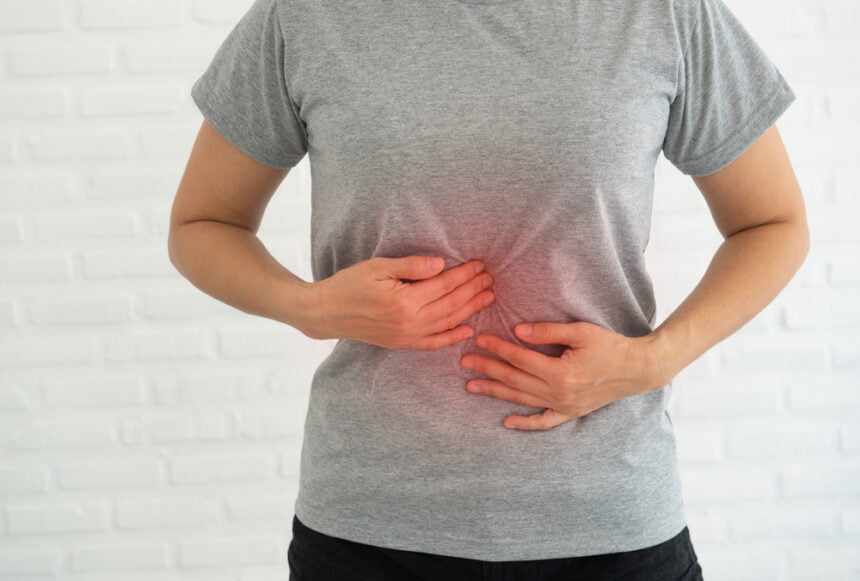
At points in your life you likely wondered at the cause of the various stomach sensations that crop up. Some are harmless: that fluttery, warm feeling that comes from infatuation, for example. While these may not be cause for concern, at some point you may need to address troubling stomach and intestinal discomfort, especially when that discomfort slides into pain. When that happens, it is time to investigate the range of remedies and treatments available in home, at your physician’s office or in a medical facility.
Meals and Snacks
Even if you do not have issues with your digestive system, eating well is crucial to maintaining a healthy digestive system. When you do experience bouts of discomfort, including heartburn, indigestion and constipation, it is a sign you may need to be even more vigilant about preparing beneficial meals and snacks. You are on the right track when you base your diet around lean proteins, whole grains, fruits, and multicolored vegetables.
Fruits and vegetables supply vitamins and minerals important for many bodily functions. Many also provide an anti-inflammatory benefit, which is crucial to maintaining a healthy intestine. They, along with whole grains, are also a good source of fiber, which can relieve constipation and lower your risk for colon cancer. Unfortunately, many adults take in too little fiber; you should ingest between 25 and 30 grams per day.
Enzymes
Whatever your diet, occasionally you may still experience mild to moderate digestive issues, such as bloating. It is possible your symptoms may bear a relationship to your cell’s enzymes, a group of proteins that speed up their cell’s chemical reactions. Those produced by the stomach, pancreas and small intestine – amylase, protease and lipase – are essential to digestion. It is possible to enhance the process. Under certain conditions, enzymes may not function as they should: fevers and excess stomach acidity, for example, may have a significant effect on how they do their jobs.
Eating foods packed with enzymes can ease symptoms of moderate digestive distress. Adding an enzyme-rich Power Life Foundation Digest blend to your diet can keep problems at bay, as well as restore your body’s natural balance.
Probiotics
If you have ever taken antibiotics to fight an infection, you may have experienced bloating, diarrhea, indigestion or abdominal pain as a side effect. That is because antibiotics, tasked with killing the infection-causing bacteria, do not discriminate – they can kill both the harmless and the beneficial bacteria that populate your gut as well.
These good microorganisms – probiotics – are important components in the digestive process, so it is critical they remain plentiful in your system. You can bring your gut back in balance by eating foods that contain yeasty probiotics: fermented foods such as yogurt and kimchi and miso. Probiotic supplements may also provide benefits, but check with your doctor for recommendations, especially when taking antibiotics. Types vary, and some may affect the potency of an antibiotic if they are taken too close together.
Rehydration
Whatever the cause, any form of pain, diarrhea, nausea or vomiting indicates your stomach and intestine are likely irritated; these symptoms are often attributed to stomach flu, but the correct term for this irritation is gastroenteritis. Because of the irritation, you may find yourself resisting food and even water. However, it is important that you do consume liquids to avoid dehydration, then ease into foods.
Suck on an ice cube or sip water; you may find you can drink ginger ale in time. Next, try eating soft, bland foods such as dry toast, bananas, rice or applesauce. If you find you cannot eat or the symptoms persist for more than two days, call your doctor.
Medical Evaluations
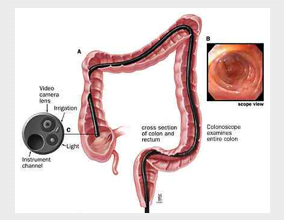
In fact, whenever stomach discomfort lingers for more than a few days, or when the discomfort and symptoms become severe, you need to move beyond home remedies and call your primary care physician, and possibly schedule an appointment with a gastroenterologist. Your doctors will examine you and will likely order medical tests based on your symptoms; the range of tests can include blood labs, stool samples, imaging routines or endoscopic procedures. The physicians will look to diagnose or rule out conditions such as stomach ulcers, intestinal parasites, inflammatory bowel diseases or celiac disease among other concerns that can lead to hospitalization if untreated.
Genetics and environment can play a role in some of these significant lower and upper digestive tract problems. However, in most cases you can take charge of your digestive system using a sensible, preventative health approach.