Hospital Acquired Infections| The Diagnosis
Hospital Acquired Infections (HAIs) occur when a patient is exposed to a bacteria, virus or fungi during their hospital stay that leads to an additional condition. An HAI diagnosis can cost hospitals thousands of dollars in lost revenue.
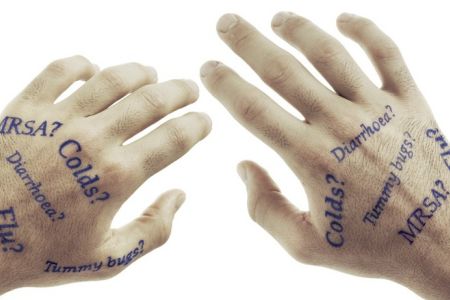
Common HAI, like pneumonia or urinary tract infections, are preventable with proper hand hygiene, isolation procedures and prophylactic antibiotics. Even so, these infections have the U.S. healthcare system paying more than $4.5 billion annually.
When a patient enters the hospital for a procedure, part of their post-operative care plan is prophylactic antibiotics to help prevent infections, either from the surgical procedure itself or something they may acquire by being exposed to healthcare workers or other patients. While vigilant hand hygiene on the part of clinical staff certainly lessens the likelihood of passing infections from patient to patient, hospitals need to adhere to infection prevention protocols.
Hospital Acquired Infections| Prevention
Even the most robust infection prevention programs are challenged by an increase in antibiotic resistant bacteria, the most notorious being staphylococcus. Even though “staph” exists on our skin naturally, when it is introduced to deeper tissues and the bloodstream, it can cause a lethal infection. When antibiotics first became commonplace in modern medicine, they were used too liberally to treat the infection, so over the years the bacteria has evolved to be resistant to them. Now, stronger antibiotics are needed as the first line of defense in treating these infections. Methicillin-resistent Staphlyococcus auerus (MRSA) has become endemic to hospitals in the United States and has created an additional 2.7 million extra days in the hospital for patients. The costs accrued from these extra stays is almost always the responsibility of the hospitals and patients. These infections are usually not able to be reclassified as a higher diagnosis related group (DRG), meaning the costs don’t get absorbed by third-party payers.
The solution for reducing infection rates may be a lot simpler than hospitals would think: items commonly used in hospitals, such as blood pressure cuffs and stethoscopes, are so prevalent that they may not be the main focus of disinfecting habits. While hand washing is well regulated and doctors and nurses are trained to wear gloves or other personal protective equipment when dealing with body fluids, these diagnostic tools may be regularly overlooked. Other than disinfecting, some groups have proposed creating low-cost disposable blood pressure cuffs to eliminate use between patients.
Other infection prevention strategies that occur more globally within a healthcare system have shown measurable reduction in HAIs. The US Department of Health and Human Services has presented a call to action for US hospitals to completely eradicate HAIs. In 2008, a federal steering committee for prevention of HAIs was developed, and they have been steadily initiation discussions about prevention. This included a national action plan that wrapped up in 2013.
Hospitals, though, are ultimately going to be responsible for reigning in costs related to HAIs—and for some, this will be no small task.