After a crash, many injuries do not feel obvious right away, especially when adrenaline masks pain during the first few hours. A person may walk away thinking the soreness is temporary, then later notice stiffness, headaches, dizziness, nerve pain, or limited movement. These delayed symptoms can affect treatment decisions because doctors often need a clear timeline of when each issue started. For an injured driver, passenger, or pedestrian, the early recovery period can become more complicated than it first appears.
Medical documentation matters because hidden injury patterns can change how a provider evaluates the patient’s condition. A car accident may cause soft tissue injuries, joint strain, back pain, or concussion symptoms that develop gradually instead of appearing all at once. When those symptoms are not recorded clearly, insurance questions and liability disputes can become harder to address later. Careful notes help connect medical treatment, recovery needs, and the legal aftermath in a more organized way.
Medical records give delayed injuries a clearer timeline
A person recovering after a crash may need several appointments before the full injury picture becomes clear. Initial evaluations can identify urgent issues, but follow-up visits often reveal pain patterns, mobility problems, or neurological symptoms that were not obvious at first. For law firms that handle injury cases, this timeline can become central when reviewing how the crash affected the person’s health, work, and daily responsibilities. The records show how symptoms progressed, what care was recommended, and whether the patient followed through with recovery instructions.
For people in Palm Beach County, daily driving conditions can add pressure after an injury because busy routes, commuter traffic, and crowded intersections are part of normal movement. Someone dealing with pain may still need to attend appointments, handle insurance calls, and document missed work while trying to recover. According to the attorneys at Weston & Pape based in West Palm Beach, Florida, those details can matter when a law firm evaluates liability, insurance disputes, medical damages, and the need for legal representation after a car accident. A complete record helps explain why recovery may take longer than expected and why the legal review often depends on consistent medical documentation.
More Read
Treatment often changes when symptoms develop slowly
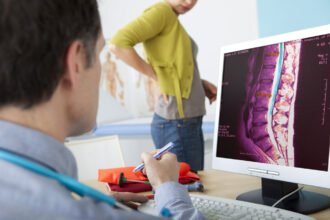
West Palm Beach drivers and pedestrians may not realize how much a delayed symptom can affect a treatment plan. A person might first report shoulder soreness, then later experience tingling in the arm, reduced grip strength, or pain that spreads into the neck. Those changes can lead a provider to recommend imaging, physical therapy, specialist care, or a revised recovery plan. When the record captures each development, it gives the patient a stronger medical timeline.
West Palm Beach also has traffic patterns that can make ordinary travel feel difficult during recovery. Rush hour traffic, sudden stops, and distracted driving conditions can worsen anxiety or discomfort for someone who was recently injured. A car accident can leave both physical and practical problems, especially when medical appointments and work responsibilities continue during recovery. Legal guidance may become important when the injured person needs help addressing liability disputes, insurance pressure, and documentation gaps.
Everyday routines can hide deeper injury concerns
Poinciana Park gives a residential context for how hidden injuries can affect normal routines after a crash. A person may try to resume short drives, household tasks, or light walking, then notice pain increasing later in the day. These changes can feel minor at first, but they may show that the body has not healed enough for regular activity. When patients tell their provider about these patterns, treatment can be adjusted before the condition becomes harder to manage.
Delayed pain can also create confusion when insurance representatives question why treatment continued after the first appointment. The issue is often not that the person suddenly became injured, but that the symptoms became easier to identify over time. Medical recovery rarely follows a perfect schedule, especially when inflammation, nerve irritation, or soft tissue damage is involved. Clear documentation helps explain the connection between the crash, the evolving injury, and the need for ongoing care.
Road conditions can complicate liability and recovery
Belvedere Road can fit naturally into the kind of driving environment where traffic flow, lane changes, and busy intersections may affect how a crash is reviewed. A person injured during a commute may remember the collision one way, while another driver, witness, or insurer may describe the events differently. These differences can lead to liability disputes that require organized records, photos, medical notes, and a clear account of symptoms. The stronger the documentation, the easier it becomes to explain both the physical harm and the circumstances surrounding the crash.
Medical records also help separate preexisting discomfort from new or worsened injuries. This matters because insurers may argue that pain came from an older condition instead of the collision. A doctor’s notes, diagnostic results, therapy updates, and symptom logs can show how the injury changed after the car accident. When an injured person works with a lawyer, those records can support a more accurate review of damages, treatment costs, and future care needs.
Strong documentation supports a more stable recovery path
Dreher Park offers a practical reminder that recovery is not only about doctor visits, because injured people also want to return to daily routines with less pain and uncertainty. A person may feel ready to walk, drive, work, or care for family responsibilities, but hidden injuries can still affect strength, balance, sleep, and concentration. This is why follow-up care should not be dismissed when symptoms continue after the first evaluation. A steady record of treatment helps show how recovery actually developed over time.
The legal side becomes more important when medical bills, missed work, disputed fault, or long-term symptoms create pressure during recovery. Injured drivers, passengers, and pedestrians often need help organizing records and responding to insurance questions while still focusing on treatment. A car accident can create hidden injury patterns that require patience, careful documentation, and informed legal support. When the medical and legal timelines are handled together, the injured person has a clearer path for explaining what happened and what recovery still requires.