For many decades, nurses have spread cheer through hospitals, putting smiles on the faces of their patients while caring for them. However, nurses can spread more than cheer if they are not careful; deadly diseases can be transmitted easily from one patient to another by nurses who don’t intend any harm, especially as antibiotic-resistant bacteria is on the rise and making headlines. According to the CDC, on any given day, about one in 25 hospital patients has at least one healthcare-associated infection. To ensure that only encouragement is spread instead of diseases, nurses should be mindful of what they are doing at all times.
Stay Strict With Universal and Standard Precautions
Every qualified nurse has learned about universal precautions, both in school and through continued training in the workplace. The universal precautions exist primarily to keep patients’ bodily fluids from coming into contact with nurses or primary care physicians, and they’re the reason why things like needles and swabs are disposed of in specially marked containers.
Other simple practices, such as washing hands thoroughly, changing gloves between each patient, and properly discarding gloves may sound like obvious precautions; however, studies are showing that “78 percent of nurses didn’t wash up according to the standards endorsed by the World Health Organization to reduce the risk of spreading infection to patients,“ reports Men’sHealth. This isn’t appropriate, but it is reality — so make sure you develop and maintain good habits. Always assume a patient has an infectious disease and take the proper precautions in that regard.
More Read

Be Mindful of What Is Touched With Gloves
When gloves are worn, nurses can protect themselves from germs and diseases. However, germs can still be picked up easily with gloves and transferred from one patient to another. Even if gloves are changed between rooms, there are still several ways to transmit germs. For example, nurses might pick up pens, flashlights or other objects to use with gloved hands. Touching these objects later without gloves can transmit harmful microorganisms to that nurse’s skin.
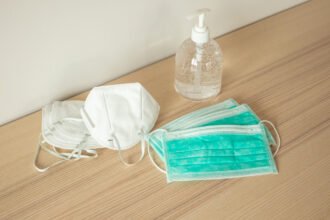
Clearly, nobody wants to transmit diseases to a patient, but sometimes the same, repeated practice can become an unconscious habit. The dangers of failing to observe propers procedure include the spread of extremely harmful diseases like MRSA, which are often picked up in hospitals, spread between staff and patients alike. The CDC recommends good hand hygiene; gloving; mouth, nose, and eye protection; gowning; appropriate device, instrument, and equipment handling; and finally the appropriate handling of laundry to prevent the spread of these diseases.
Monitor Visitors and Patients Closely
Although most hospitals post signs encouraging visitors to wash their hands, health professionals should never expect them to do so. Many visitors and other patients are not aware of the many germs and diseases present in a hospital. A woman visiting her sick father may stop to talk to his new roommate, shake the roommate’s hand and then go hold her father’s hand. If the roommate has a MRSA infection that can be spread through skin-to-skin contact, both the visitor and her hospitalized father would be at risk without realizing this.
Other times there might be barriers that require a more culturally competent nursing environment to overcome. While it is certainly important to comply with HIPAA regulations and avoid disclosing medical information about infected patients to others, it is also extremely important for nurses to educate visitors and other patients about the possibilities of acquiring and spreading infectious diseases; but this isn’t always easy when your patients and their families speak a different language or come from a different cultural background. Nurses who work in hospitals where these guidelines are not posted visibly or discussed regularly with visitors should talk to administrative personnel about improvements. Being proactive about educating visitors and patients can save nurses, hospitals and patients from more stress.
There are several other ways nurses can prevent the spread of illnesses and germs in hospitals. According to Becker’s, these are the 10 best strategies for infection prevention and control in medical practice:
- Hand hygiene: It’s been mentioned above, but it’ll never be mentioned enough. Hand hygiene is the simplest approach to preventing the spread of infections in any situation.
- Environmental hygiene: Surfaces, clipboards — everything that you touch in your hospital should be sanitized to keep your environment clean.
- Screening and cohorting patients: It is essential that patients who are suffering from the same disease or infection should be kept together in a designated area, to ensure that cross infections do not happen.
- Vaccinations: Hospital staff need to stay up on their vaccinations to keep from contracting and spreading infectious viruses.
- Surveillance: Through surveillance, organizations should gather data regarding infection patterns at their facility.
- Antibiotic stewardship: Establishing a program to assist with appropriate antibiotic selection and dosing can help keep the spread of antibiotic resistant bacteria down, and can improve patient outcomes.
- Care coordination: There is a risk of breaking the sterile field in the surgery room particularly around the portion of the surgical procedure when multiple, critical activities are taking place at the same time that require staff to multitask. Care coordination can go a long way in preventing surgical site infections.
- Following the evidence: Keeping up on the latest findings, especially regarding the spread of infections and strategies for prevention, is absolutely essential for those looking to keep a current infection prevention program.
- Appreciate all departments that support infection prevention program: When things are going well, everybody should be encouraged to continue doing well. From surgeons to the cafeteria staff, everybody plays an equal part in infection prevention.
- Comprehensive Unit-based Safety Programs (CUSP): Becker’s review mentioned that structured patient safety improvement framework can influence positive change and improve patient outcomes.
In time, perhaps we’ll see a world where healthcare-associated infections never occur — but until then, we’ll just need to be vigilant and better about prevention. Nevertheless, by following the above tenets and observing the universal and standard precautions, nurses can drastically reduce the number of healthcare-associated infections that occur.