
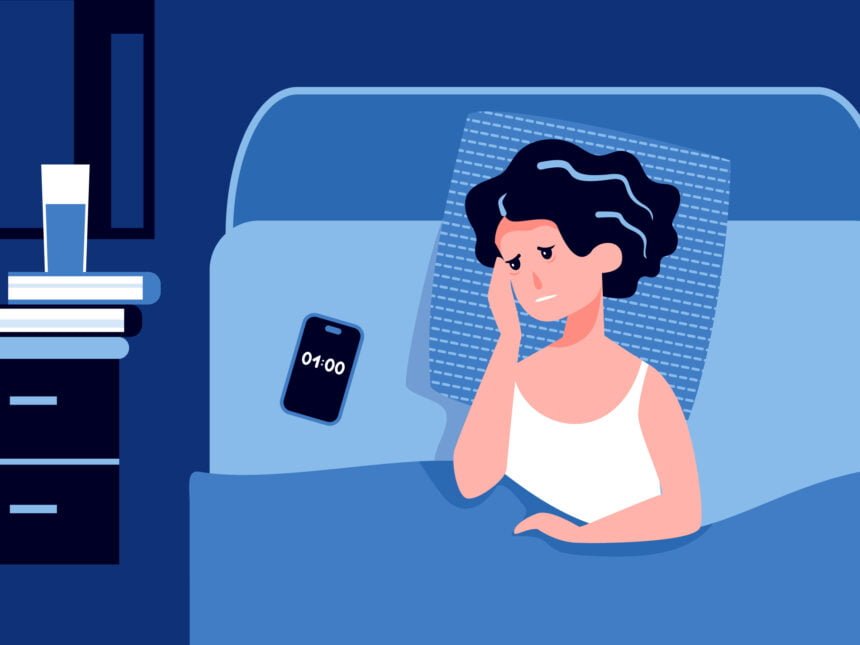
Sleep is incredibly important to your physical and mental health, as sleeping allows our bodies and minds to recover from the wear and tear of day-to-day life. But when you can’t get that all important sleep, you’ll notice that you feel a bit worse for wear the next day.
If you struggle with your sleep, a Doctor may prescribe you some medication to help with your sleep issues, but medication is not an ideal long term solution to sleep issues as many medications can reduce the quality of your sleep and cause health issues when used long term.
So, without resorting to medications which can diminish the quality of your sleep, or cause unwanted side effects like brain fog, what can you do to combat your poor sleep?
Make Changes To Your Activity Throughout The Day
If you struggle to sleep at night, the first thing you should consider is what you do throughout the day. While your day-to-day activities may seem menial, they can have a big impact on how well you sleep at night, and by just making a few tweaks to your daily routine could set you back on track for getting the sleep your body needs.
When looking at your average day, consider how often do you do physical activity and how often do you do activities which cause you stress. If you don’t do an awful lot of physical activity through the day, you may want to increase activity so that you burn off your excess energy. If you do a lot of high stress activities, you should look to either reduce how much stress you put upon yourself or increase the number of relaxing activities you undertake, to ensure you’re relaxed when you get into bed.
Ensure That Your Bedroom Is Set Up To Encourage Sleep
Another aspect of your life that has an understated impact on your sleep, is the design and decoration of your bedroom. If you designed and decorated your bedroom with only style in mind, you may have inadvertently made your bedroom a space that isn’t conducive to a good night’s sleep.
Ideally your bedroom’s decoration should prioritise two things: comfort and relaxation. Adding elements of comfort like cosy bed sheets and blankets will make it easier for you to fall asleep, adding in elements of relaxation like soft colours or aromatherapy devices will remove stress and allow you to feel relaxed for bedtime.
Block Out Any Sleep Disruptors Keeping You Awake
In modern life, there are plenty of things which can disrupt your sleep, both inside your bedroom and outside. Sleep disruptors typically fall into one of two categories: light disruptors and sound disruptors. If you have any of these disruptors present in or around your bedroom, it would serve you well to block them out.
Light disruptors are typically things outside of your home, like streetlights and headlights from passing cars as their light seeps into your bedroom, keeping you up. The best fix to block out light disruptors from outside is to install Blackout Cassette Blinds to block out any outside light from your room. Sound disruptors can come from anywhere and sound pollution will disrupt your sleep, if you struggle with sounds disruptors, you should look into a white noise machine to drown out the disruptive noises.
Try Be More Consistent With Your Sleep Schedule
Humans are creatures of habit and our bodies work best when they have a schedule or routine to follow, which makes routine incredibly important for sleep. If you go to bed and wake up at inconsistent times, your body will never know when it is time to prepare for sleep or when to prepare to wake up in the morning.
By trying to keep to a rough schedule for your sleep, you will notice an improvement in your sleep after a few weeks of keeping to a schedule. Your new sleep schedule does not have to be absolute and the occasional late night or lay in will be fine, but trying to keep habit of going to bed the same time every night and waking the same time every morning will help your body follow the rhythm of your life better, resulting in better sleep.
Now you should be equipped with the knowledge you need to resolve your sleep issues naturally without medication. So make the changes that you need to make in order to set yourself up for success, then lay back and enjoy all the benefits of a good night’s sleep!