We use cookies, including third-party cookies from Google to serve personalized ads through AdSense, to operate this site and understand how it is used. By continuing to browse, you accept this use. See our Privacy Policy and Terms of Use for details, including how to opt out of personalized advertising.
Accept
Health Works CollectiveHealth Works CollectiveHealth Works Collective
  • Health
    • Mental Health
  • Policy and Law
    • Global Healthcare
    • Medical Ethics
  • Medical Innovations
  • News
  • Wellness
  • Tech
Search
© 2023 HealthWorks Collective. All Rights Reserved.
Reading: Multiple Lifestyle Interventions May Help Those at Risk for Alzheimer’s
Share
Notification Show More
Font ResizerAa
Health Works CollectiveHealth Works Collective
Font ResizerAa
Search
Follow US
  • About
  • Contact
  • Privacy
© 2023 HealthWorks Collective. All Rights Reserved.
Health Works Collective > Policy & Law > Public Health > Multiple Lifestyle Interventions May Help Those at Risk for Alzheimer’s
Public HealthWellness

Multiple Lifestyle Interventions May Help Those at Risk for Alzheimer’s

Liz Seegert
Liz Seegert
Share
3 Min Read
SHARE
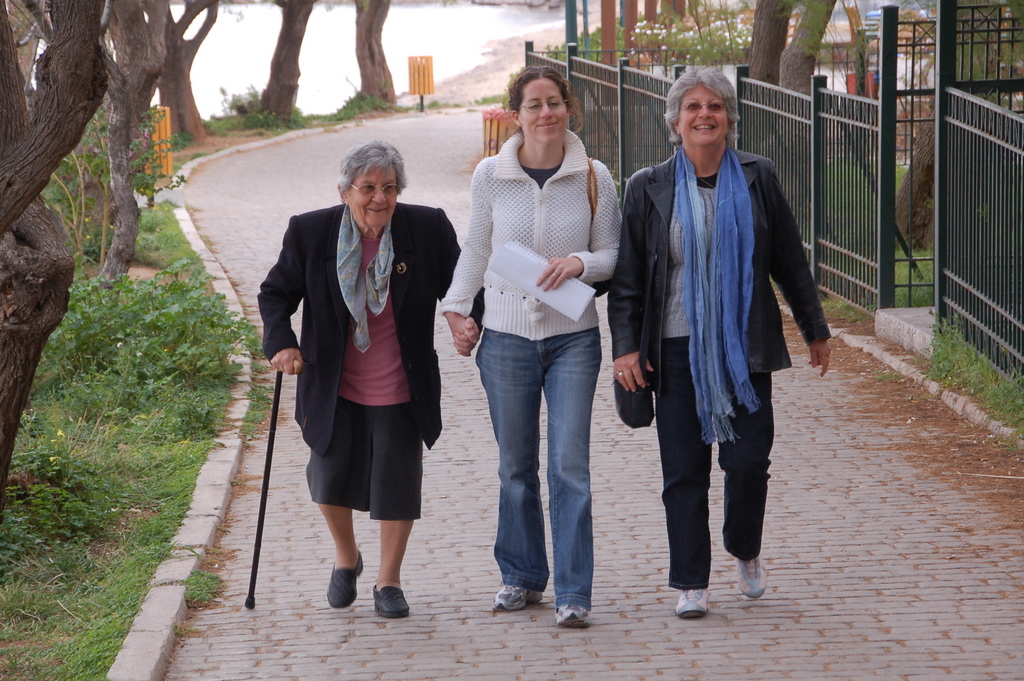
afternoon stroll-cRobert wallaceimage: Robert Wallce, Flickr Creative Commons

Physical activity, nutritional guidance, cognitive training, social activities and management of heart health

afternoon stroll-cRobert wallaceimage: Robert Wallce, Flickr Creative Commons

Physical activity, nutritional guidance, cognitive training, social activities and management of heart health risk factors improved cognitive performance, according to Finnish researchers.

Data from a two-year clinical trial in Finland of a multi-component lifestyle intervention, known as the Finnish Geriatric Intervention Study to Prevent Cognitive Impairment and Disability (FINGER) Study showed both overall and in separate measures of executive function, such as planning abilities, and the relationship between cognitive functions and physical movement. The two-year randomized controlled trial included 1,260 participants age 60 to 77 with modifiable risk factors for cognitive impairment and Alzheimer’s. Results were presented at the Alzheimer’s Association International Conference in Copenhagen this past week.

Participants were divided into two groups; one received an intervention that included nutritional guidance, physical exercise, cognitive training, social activities, and management of heart health risk factors, while the control group received regular health advice. After two years, the intervention group performed significantly better on a comprehensive cognitive examination. In addition to performing better overall, the intervention group did significantly better on specific tests of memory, executive function (complex aspects of thought such as planning, judgment, and problem-solving), and speed of cognitive processing.

More Read

The Intersection of Speed and Safety: Understanding the Health Implications
The Intersection of Speed and Safety: Understanding the Health Implications of Deportive Car Accidents
5 Ways Healthcare Providers Can Reduce Costly Hospital Readmissions
Social Media Safety: Virtual Connections Provide Realtime Results
Walking Every Day Can Lead to a Healthier Life
Top 5 Most Expensive Conditions Treated in US Hospitals

“This is the first randomized control trial showing that it is possible to prevent cognitive decline using a multi-domain intervention among older at-risk individuals. These results highlight the value of addressing multiple risk factors in improving performance in several cognitive domains,” said lead researcher Miia Kivipelto, M.D., Ph.D., Professor at the Karolinska Institutet, Sweden and the National Institute for Health and Welfare, Helsinki, Finland,  “Participants told us their experience was very positive, and dropout rate only 11 percent after two years.”

“This new data is very encouraging, and we look forward to further studies to confirm and extend these findings,” said Keith Fargo, Ph.D., Alzheimer’s Association director of Scientific Programs & Outreach.

The researchers say an extended, seven-year follow up study is planned, and will include measures of dementia/Alzheimer’s incidence and biomarkers including brain imaging with MRI and PET.


TAGGED:Alzheimer's Disease
Share This Article
Facebook Copy Link Print
Share

Stay Connected

1.5KFollowersLike
4.5KFollowersFollow
2.8KFollowersPin
136KSubscribersSubscribe

Latest News

Workers Comp Claim Denied – Now What?  -- AI-generated illustration
Workers Comp Claim Denied – Now What? 
Policy & Law
October 9, 2026
The Case for Proactive Nutrient Support and Where IV Therapy Fits In -- AI-generated illustration
The Case for Proactive Nutrient Support and Where IV Therapy Fits In
Health Therapies
October 5, 2026
Biofeedback Technology in Addiction Treatment: What the Evidence Shows So Far -- AI-generated illustration
Biofeedback Technology in Addiction Treatment: What the Evidence Shows So Far
Addiction Addiction Recovery
September 28, 2026
Charity Care Is Written Into Hospital Policy. It Rarely Makes It Onto the Bill. -- AI-generated illustration
Charity Care Is Written Into Hospital Policy. It Rarely Makes It Onto the Bill.
Business Hospital Administration
September 25, 2026

You Might also Like

CDC’s State of Aging and Health in America [VIDEO]

October 18, 2013
mindful meditation
Wellness

5 Ways to Improve Health With Mindful Meditation

June 29, 2022

Talking Healthcare with Don Berwick, Candidate for Governor of Massachusetts

March 8, 2014
Wellness

10 Powerful Keys To Vegan Wellness

March 19, 2020
Subscribe
Subscribe to our newsletter to get our newest articles instantly!
Follow US
© 2008-2026 HealthWorks Collective. All Rights Reserved.
  • About
  • Contact
  • Privacy
Welcome Back!

Sign in to your account

Username or Email Address
Password

Lost your password?