To achieve the results you desire when starting a new exercise program or altering your routine, it is essential to combine diet and exercise. Of course, it is possible to lose weight without exercising, but it is going to be harder. Exercise will help you build strength, endurance, muscle mass, and burn fat, but diet also plays a significant role in fitness, some even say it accounts for 70% of your success.
Experts recommend adjusting your diet to align with your goals and activity levels. Your nutritional needs will differ greatly between high-intensity fitness challenges and heavy lifting routines because your body requires different nutrients in each scenario. Just as balancing cardio and strength training is crucial, so is monitoring your diet, especially when you have specific goals and your workouts demand high energy levels.
How to Properly Combine Diet and Exercise
The first thing to recognize is that food acts as fuel. It supplies the energy and nutrients needed for:
- Maintaining health
- Building muscle
- Recovering after workouts
Focus not just on calorie count, but also on proper nutrition, as a calorie from chocolate differs from a calorie from fruit. Balancing diet and exercise can help modify body composition and sustain a healthy weight. Additionally, it provides more endurance and energy, better cardiovascular health, improved sleep quality, and several other essential benefits.

Calories In and Out
The first step is to track your daily caloric intake during training sessions, while at the office, watching your favorite series, or walking to work. This comprehensive understanding will help you determine how many calories you need to sustain your energy levels without overindulging or consuming more than you can burn. Maintaining a caloric deficit of at least 500 calories is generally recommended to lose weight.
Conversely, if you aim to gain muscle, you’ll need to consume more calories than you burn to provide your muscles with sufficient “fuel” to grow. Additionally, if you exercise frequently, your caloric needs will be higher than those with a more sedentary lifestyle.
The Food Type
Beyond just counting calories, it’s important to recognize that not all calories are created equal. To be truly healthy and achieve optimal results, you should also focus on the types of foods you consume. Experts recommend incorporating whole grains, vegetables, fruits, proteins, healthy fats, and carbohydrates into your diet while reducing intake of foods high in sugar, saturated fats, and empty calories, which offer little nutritional value.
The Mayo Clinic suggests that approximately 50% of your caloric intake should come from carbohydrates. However, this doesn’t mean loading up on bread and pasta. Instead, eat whole grains, fruits, and vegetables containing slow-digesting, healthier carbohydrates.
Include at least one serving of protein with every meal, aiming for at least 0.8 grams per kilogram of your body weight. Pair your protein with various colorful vegetables (often called “eating the rainbow” because each color provides different vitamins and minerals). Regarding fats, prioritize unsaturated fats found in seeds, nuts, avocados, olive oil and lemon juice, and fatty fish like salmon.
Starting a Fitness Routine
- Get adequate sleep: Ensuring sufficient sleep gives your body the energy required for exercise. Healthy sleep patterns have also been shown to reduce cortisol levels, which can aid in weight loss.
- Start light or moderate: If you’re new to exercise or haven’t maintained a routine for some time, begin with light to moderate activities. Progress to more intense workouts when you feel ready.
- Enjoy your exercise: Rather than forcing yourself into a disliked routine, try engaging in enjoyable activities, such as dance classes or walking your dog. The most effective weight-loss exercises are those you’re willing to do regularly.
- Join a group: For many, weight loss is more manageable in a group setting where everyone works toward a common goal. Consider joining a weight loss group for support and motivation.
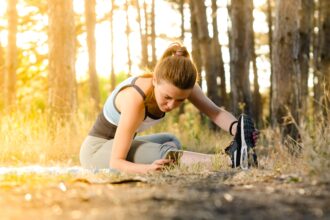
- Warm-up and cooldown: Always warm up before beginning your workout and cool down afterward. This helps prevent strains and muscle cramps.
Endnote
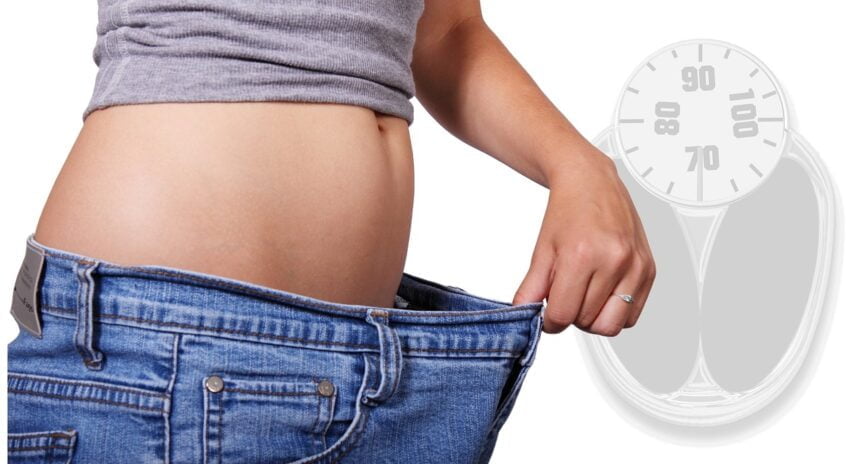
Achieving weight loss requires a nutritious diet and consistent physical activity. Remember that weight loss is a slow and steady journey, making adopting healthy lifestyle habits vital for sustained success. By integrating regular exercise and a balanced diet into your daily routine, you can reach your weight loss objectives and enhance your overall health and well-being.