When a natural disaster strikes, smart preparation can make the difference between safety and crisis. September is National Preparedness Month, a time when the Federal Emergency Management Agency (FEMA) within the Department of Homeland Security encourages Americans to take simple steps to prepare for emergencies.
When a natural disaster strikes, smart preparation can make the difference between safety and crisis. September is National Preparedness Month, a time when the Federal Emergency Management Agency (FEMA) within the Department of Homeland Security encourages Americans to take simple steps to prepare for emergencies.
On average, the continental US is hit with three major hurricanes (category 3 or above) each year. Storm surge, heavy rainfall, inland flooding, and high winds are among the many hurricane hazards we can expect annually.
Emergencies, such as a hurricane, present special challenges for older Americans. Sudden evacuation, the destruction of personal property, and lack of availability of basic resources can pose a threat to seniors and those with chronic health conditions. When a disaster occurs, personal needs such as replacing medications and medical equipment may not be met right away.

Here is a guide to assembling an emergency kit to ensure you are prepared to care for your elderly loved one when a storm strikes.
Hurricane emergency kit essentials for Seniors:
1. A three day supply of:
– Nonperishable food, including canned and dried items
– Water (one gallon per person, per day)
2. Copies of important documents in a waterproof container:
– Medical documentation, including insurance cards, emergency contact information, prescriptions, Medicare/Medicaid cards
– Photos IDs
– Marriage and birth certificates
– List of style and serial number of medical devices
3. Two week supply of prescription medications
4. Assistive devices, such as a walker or wheelchair
5. Medical devices (pacemaker, blood sugar meter)
6. Battery-operated or crank-powered radio
7. Manual can opener
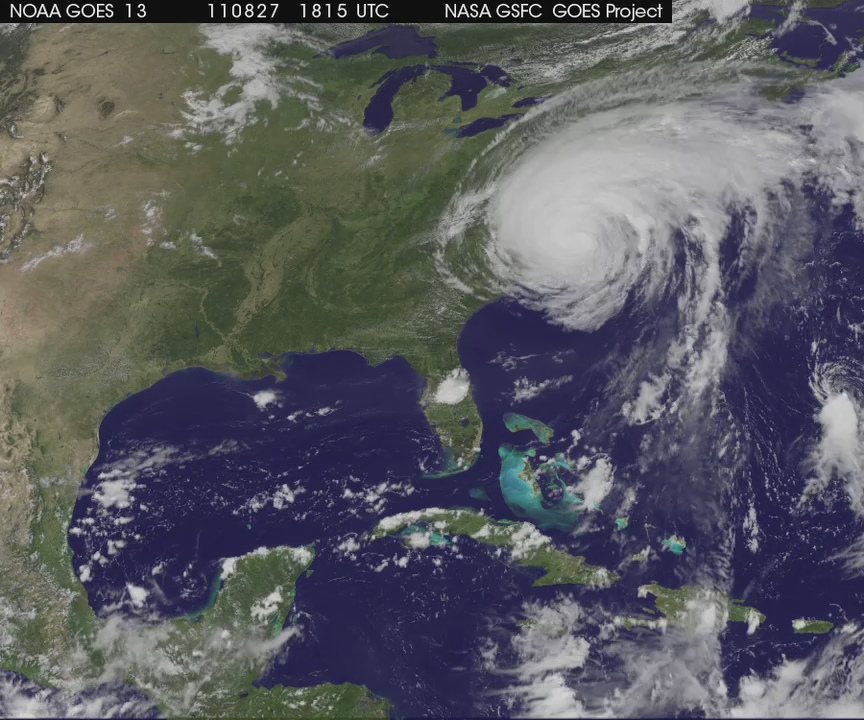
Last year Hurricane Irene wrecked havoc across the East Coast
8. Cash and coins on hand
9. Flashlight
10. Extra batteries (for flash light, all medical device types and hearing aids)
11. Bedding, particularly a blanket
12. A change of dry clothes and shoes
13. Sanitation and hygiene items (toilet paper, feminine products, hand sanitizer)
14. Plastic garbage bags
15. Mosquito repellent [especially important given the rise of West Nile cases among the elderly.]
16. First Aid Kit
17. Matches in waterproof container
18. Cell phone with an extra battery and charger (s)
19. Whistle (to attract the attention of emergency personnel)
20. A map of the area
21. Pet supplies
22. Items to entertain or comfort in a stressful situation (deck of cards, a plush stuffed animal)
For more information on hurricane preparedness or for help creating an emergency evacuation plan, visit Ready.gov.