By using this site, you agree to the Privacy Policy and Terms of Use.
Accept
Health Works CollectiveHealth Works CollectiveHealth Works Collective
  • Health
    • Mental Health
  • Policy and Law
    • Global Healthcare
    • Medical Ethics
  • Medical Innovations
  • News
  • Wellness
  • Tech
Search
© 2023 HealthWorks Collective. All Rights Reserved.
Reading: Hygiene Beyond The Clinic: Attention To Overlooked Non-Clinical Spaces
Share
Notification Show More
Font ResizerAa
Health Works CollectiveHealth Works Collective
Font ResizerAa
Search
Follow US
  • About
  • Contact
  • Privacy
© 2023 HealthWorks Collective. All Rights Reserved.
Health Works Collective > Health > Hygiene Beyond The Clinic: Attention To Overlooked Non-Clinical Spaces
HealthInfographics

Hygiene Beyond The Clinic: Attention To Overlooked Non-Clinical Spaces

Beyond exam rooms: The surprising non-clinical spaces where germs lurk and spread.

Diana Hope
Diana Hope
Share
3 Min Read
non-clinical spaces
Image Credit: Microsoft Stock Images
SHARE

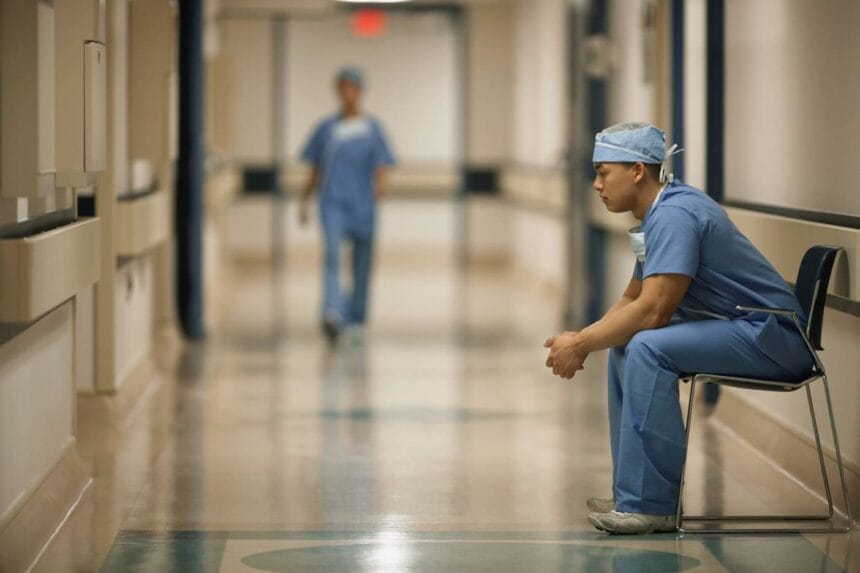
Healthcare facilities often focus on maintaining strict cleanliness within clinical areas such as patient rooms and operating theaters. While this is crucial, hygiene in non-clinical spaces is equally important to prevent the spread of infections and maintain overall facility safety. These overlooked zones can harbor contaminants and impact staff, patients, and visitors.

Contents
  • Staff Break Rooms and Lounges
  • Administrative Offices and Meeting Rooms
  • Waiting Areas and Corridors
  • Restrooms and Locker Rooms

Staff Break Rooms and Lounges

Break rooms provide a necessary space for healthcare workers to rest and recharge. However, they are frequently overlooked in cleaning schedules. Shared kitchen appliances, tables, and seating areas can accumulate germs, especially during peak hours. Regular cleaning and disinfection of high-touch surfaces like refrigerator handles, microwaves, and countertops reduce the risk of cross-contamination. Janitorial services should include detailed protocols for these spaces to ensure safety without disrupting staff downtime.

Administrative Offices and Meeting Rooms

Office environments within healthcare settings see a high volume of foot traffic and shared equipment such as phones, keyboards, and printers. These surfaces often receive less frequent cleaning compared to clinical zones. Dust and microbial buildup on shared devices contribute to poor indoor air quality and potential transmission of pathogens. Incorporating scheduled disinfection and proper ventilation in these areas supports overall hygiene.

Waiting Areas and Corridors

Patients and visitors spend considerable time in waiting rooms and corridors. Chairs, magazines, door handles, and elevator buttons are all touchpoints prone to contamination. While visible dirt may prompt cleaning, microbes can linger unnoticed. Healthcare facilities should implement frequent cleaning regimens targeting these high-contact areas. Employing janitorial services with expertise in infection control ensures the right cleaning agents and methods are used effectively.

More Read
health issues
How To Overcome The Financial Impacts Of Health Issues With Home Equity
Understanding the Complex role of Hormones in Muscle Building
7 Ways Technology is Improving Nursing and Patient Care
The Most Popular Types of Health Supplements for Anti-Ageing
Fatigue Risks Your Health and Safety as a Truck Driver

Restrooms and Locker Rooms

Restrooms and locker rooms see constant use by staff and visitors. Moisture and high touch frequency make these spaces particularly vulnerable to pathogen buildup. Regular cleaning schedules that focus on sinks, faucets, hand dryers, and door handles are critical. Maintenance of hand hygiene stations in these locations also supports infection prevention efforts.

Non-clinical spaces in healthcare settings demand the same level of hygiene vigilance as clinical areas. Attention to these zones protects everyone within the facility and supports infection control initiatives. Partnering with specialized janitorial services can help healthcare providers maintain a clean, safe environment throughout every corner of their facility. For more information, look over the accompanying infographic.


TAGGED:hygiene healthnon-clinical spaces
Share This Article
Facebook Copy Link Print
Share

Stay Connected

1.5KFollowersLike
4.5KFollowersFollow
2.8KFollowersPin
136KSubscribersSubscribe

Latest News

Redefining Romance: How Care and Presence Are Showing as Big Gestures
lifestyle
January 9, 2026
dental check up
What to Expect From Your First Visit to a Dentist
Dental health
January 9, 2026
foot and vein health
The Hidden Connection Between Foot and Vascular Health
Health
January 8, 2026
CRM Software for healthcare
A Beginner’s Guide to Medical CRM Software for Clinics, Medspas, and Telehealth
Global Healthcare Technology
December 29, 2025

You Might also Like

Methodist Le Bonheur Healthcare Shares Essential Tips for Finding Balance and Embracing Self-Care
Health

Methodist Le Bonheur Healthcare Shares Essential Tips for Finding Balance and Embracing Self-Care

December 10, 2024
healthcare call center and patients privacy
Health

Best Practices For Protecting Patient Privacy in Healthcare Call Centers

June 3, 2024
Health

Health and Family: How Healthy Habits Affect Student Success

March 14, 2022
cultivating a garden
HealthNews

Is Hydroponics or Soil Better for Your Health When Gardening?

September 4, 2024
Subscribe
Subscribe to our newsletter to get our newest articles instantly!
Follow US
© 2008-2025 HealthWorks Collective. All Rights Reserved.
  • About
  • Contact
  • Privacy
Go to mobile version
Welcome Back!

Sign in to your account

Username or Email Address
Password

Lost your password?