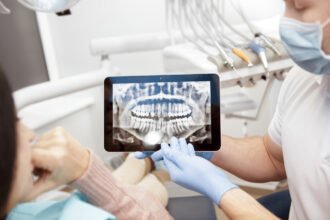
Wisdom teeth are the last set of molars to come in, and they can cause a lot of problems if they don’t come in correctly, so it’s important that we take care of them before they become an issue.
The most common problem regarding the emergence of your wisdom teeth is that they don’t have enough room to grow, which can lead to infections or cysts. They may also push against other teeth, causing pain and difficulty chewing food.
They usually come in around ages 17-25, but some people don’t get them until their 30s or 40s. The problem is that wisdom teeth often grow at an angle or sideways into other teeth, which causes crowding and potentially even gum disease. This can lead to tooth decay, bone loss, and even infections like abscesses.
If you have any of the following symptoms, it may be time to see your dentist about wisdom tooth extraction:
More Read

Sensitivity and pain in the back of your mouth
If you’ve been experiencing sensitivity or pain in the back of your mouth, it could be due to your wisdom teeth coming in. The problem is that there isn’t enough room for them to grow properly in our mouths, which causes problems such as gum inflammation and tooth decay. This can lead to serious health issues if left untreated, so it’s important to have them removed before they become a more pressing problem.
Gum inflammation
Wisdom teeth are a common cause of gum inflammation. When these teeth cut through, they can damage the tissue and result in constant infection, inflammation and pain. This will make the gum tissue around the tooth sensitive and swollen, making it difficult to eat, clean your teeth, or floss.
Cysts in your mouth
If you have a wisdom tooth, you may experience pain or discomfort when eating certain foods. You may also notice swelling and irritation on one side of your face. These symptoms can be caused by cysts forming around your emerging wisdom tooth. Cysts need to be removed before they become dangerous and cause more problems for your oral health.
Stiffness and pain in your jaw
If you’re experiencing discomfort in your jaw, stiffness or pain when opening and closing your mouth, it may be time to have your wisdom teeth removed. You don’t want to wait too long because the longer they stay there, the more likely they are to cause problems with other teeth, as well as bone loss and infection.
Cavities and tooth decay
As the wisdom teeth force their way through your gums, they can crowd your jaw, which will in turn lead to nearby teeth becoming displaced and potentially cracked or broken. This can make your teeth very difficult to clean properly, leading to trapped food, bacterial plaque, and ultimately, infection. You will experience bad breath or a bad taste in your mouth, and as your dental hygiene worsens, your mouth will become the perfect environment for further cavities and tooth decay to develop. This issue can get exponentially worse without a wisdom tooth extraction.
Wisdom tooth extractions are usually performed under local anesthesia with sedation, or general anesthesia by an oral surgeon who specialises in this type of surgery. A typical recovery time after surgery includes seven to ten days without solid foods, followed by a gradual resumption of eating soft foods over a period of two weeks before returning to your normal diet.
~
You should see a dentist if you have any symptoms that may be caused by wisdom teeth including pain, swelling, redness or fever. Schedule an appointment with Chesterville Dental today.