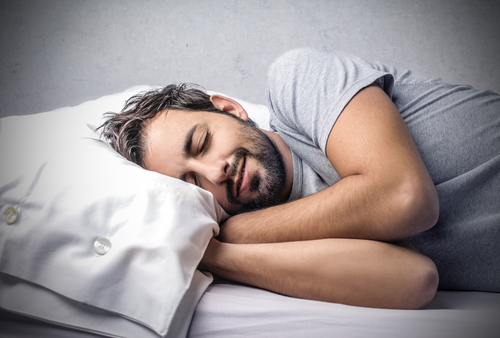
The pillow that you lay your head on each night significantly influences the quality of the sleep you get. Along with your mattress, it determines how much support you get and if you feel comfortable as you rest. It’s important to be aware of how your pillow may negatively be affecting your sleep.
Triggering Pain
If your pillow is too soft or flat, it can trigger pain in the neck because of a lack of support. You may wake up with soreness in your neck or develop headaches easily because of the strain that develops. The neck shouldn’t be bent at a certain angle for too long, which can cause it to start hurting. Flat pillows don’t offer much support whether you’re on your side, back, or stomach.
Interfere with CPAP
Those who suffer from continuous positive airway pressure (CPAP) can put their health at risk sleeping on the wrong type of pillow. Those with CPAP sleep with a mask on their face to ensure they get enough oxygen and keep their airways open while laying down. The wrong pillow can make the mask fall off and limit how much oxygen you receive.
Sleep Deprivation
In some cases, pillows can even lead to sleep deprivation if you can’t get comfortable. If you continue to get a lack of sleep, it can start to affect your health negatively. A lack of sleep can affect tissue repair, muscle growth, and different functions of the body. It can also affect your appetite and mood, often leading to depression in prolonged cases. If you start to suffer from sleep apnea for too long, it can increase your risk of high blood pressure, diabetes, obesity, and heart disease.

Reduce Heartburn
There are benefits that can come from pillows if you select one with proper support and cushion. The pillow should elevate your head 30 degrees to reduce heartburn and indigestion that can occur when laying down at night, especially after eating a meal. Keeping the head and upper body slightly elevated can also alleviate sinus pressure and vertigo.
Those who wear CPAP masks while sleeping can use specially-designed pillows to ensure the mask stays on throughout the night. The cutouts in the pillow fit and accommodate the mask to keep it in place.
Triggers Allergies
Pillows can also trigger allergies in some people, depending on the type of materials it contains. It can attract a lot of dust, allergens, and dust mites, which can cause you to sneeze and experience sinus pressure. The pillow can also attract pet dander if you have dogs or cats in bed with you. It’s important to look for a pillow with hypoallergenic materials to limit your contact with the allergens. You should also wash the pillow every week or two to keep it clean and breathe easier while laying your head on it.
Understanding your pillow’s positive and negative effects on your sleep can offer insight into the type of pillow you choose to use. It can also make it easier to determine when it’s time for something different if you’re struggling with certain symptoms or side effects each day.