Receptionists are the front of house and are typically the first point of contact for many customers. They will usually speak with customers and/or clients once they first enter the building to ensure that they have the right place. They can inquire as to what the customer/client is after, and help them get the assistance that they need.
A receptionist within a healthcare establishment, however, will also be at risk of coming into contact with patients who may be sick – and during COVID-19, this could have devastating consequences. How can you ensure that your receptionists remain safe during the pandemic and reduce the spread of COVID-19? Here is a useful guide on how you can keep your receptionists safe during COVID-19 but also reduce the spread of the coronavirus.
Invest in Sneeze Guards
Your receptionist will come into close proximity with patients who come to the reception area to speak with them. This could be so that they can check their appointment times, register, or let the surgery know that they have arrived for their appointment. You will want to ensure that your receptionists have a clear barrier between them and patients so that the spreading of the virus is reduced without diminishing the customer service. Find a sneeze guard supplier that can supply you with sneeze guards to protect your receptionists and your patients.
More Read
You should also enforce social distancing so that patients cannot approach receptionists too closely. The two-meter rule should be enforced even when inside and within the healthcare industry. Have signs in place outside of the healthcare building so that patients know the rules and regulations before coming into the building.
Have Hand Sanitizer at the Entrance
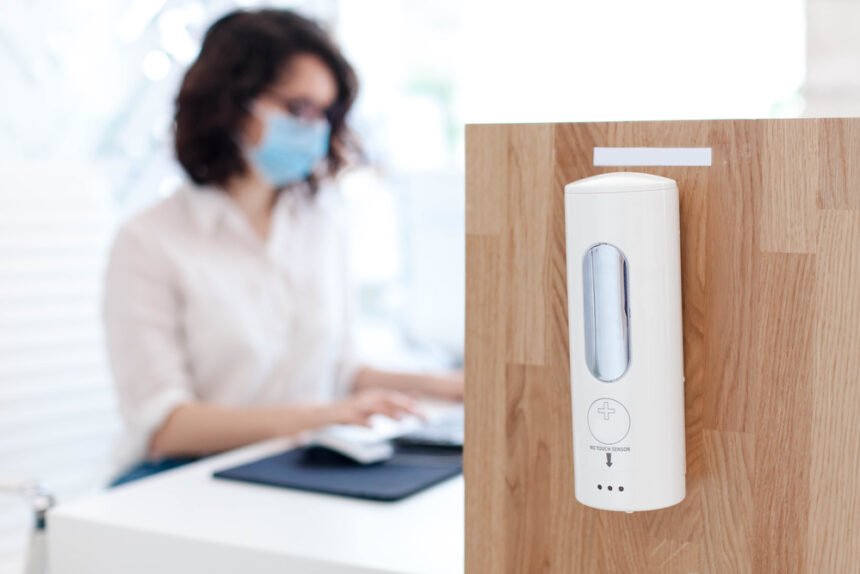
Have a hand sanitizer dispenser located at the entrance and ensure that patients use it before coming inside. Not only does this help reduce the spread of the coronavirus, but it can also stop patients from picking up any germs that may have been lingering in the building before they entered. Again, ensure that there are proper signs so that patients know they have to wash their hands but can also easily locate the hand sanitizer. Here are the benefits of washing your hands.
Have an ‘Emergencies Only’ Rule in Place
Most places have an ‘emergencies only’ rule in place so that those who are in need of urgent medical attention can gain admittance to the building. This is to stop the spread of the virus but to also reduce the amount of strain being put onto the healthcare workers. Tell your receptionists what the difference between an emergency and a typical medical issue is and have them know what they should suggest to patients who do not need urgent medical attention. This may be quite difficult to start with as patients may become disgruntled at first.
If you are a receptionist within healthcare, your job is to cater to and ensure that patients are being seen to properly, but also booking them in for appointments. During the pandemic, rules have changed, and as receptionists are typically the first point of contact, it is essential that they are properly protected.