The COVID-19 pandemic has taught us many things: the strength — and gaps — in our health system, the body’s response to emerging diseases, and through it all, the importance of basic hygiene. Simply, there is no substitute for good hygiene habits we have been taught all our lives: frequent and proper hand washing kills harmful, disease-causing bacteria, germs, and viruses.
Good health and safety start with each one of us. We all touch common surfaces like door handles, remote controls, keyboards, and cutlery — all of which are hotbeds for infection. During this pandemic, these simple, everyday gestures could lead to transmission of COVID-19, and heightened health risk for ourselves, loved ones, and communities.
Without a cure in sight, equally simple hygiene habits remain our best bet against COVID-19. Now more than ever, we need to wash our hands frequently with soap and water, and when in public or outdoor settings, use hand sanitizer or portable hand washing sinks.
Tips to Prevent COVID-19 Through Good Hygiene
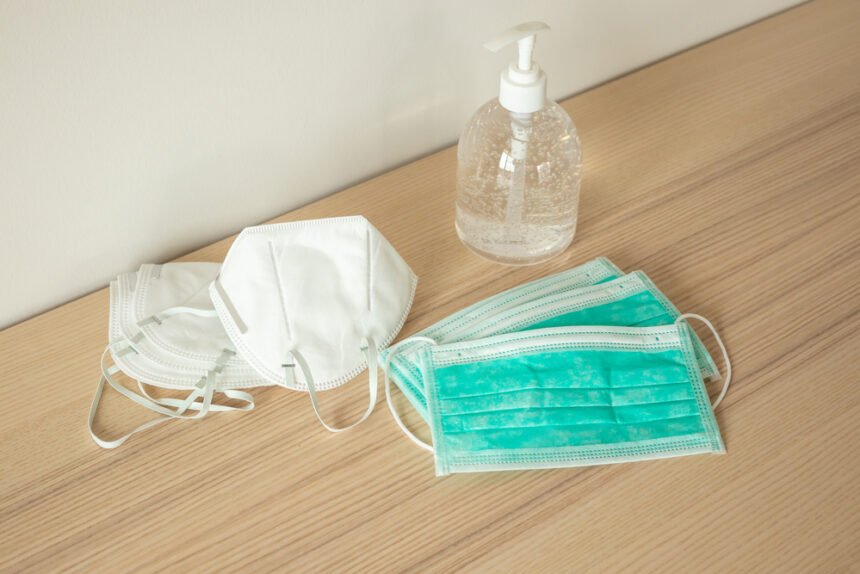
From face masks and face shields to physical distancing guidelines, there is no shortage of preventative measures prescribed by public health authorities to slow the spread of COVID-19. But no matter how many barriers we put between ourselves and others, the risk of transmission remains — particularly through contact with common surfaces.
Coronavirus enters our body through the nose, mouth and eyes. Without masks, these areas are left exposed; combined with the average 90 times a day we unconsciously touch our face, the risk of transmission upon contact with infected surfaces only increases. That’s why our best defense is still good basic hygiene — chief among them, frequent and thorough hand washing.
Here are the most common and simple ways you can practice good hygiene habits, and reduce the risk of becoming infected and spreading COVID-19:
- Wash your hands with soap and water for at least 20 seconds, and shower upon returning from public settings
- Avoid touching common surfaces like door handles and elevator buttons; if you must, use gloves, and sanitize your hands immediately with an alcohol-based hand sanitizer
- Follow physical distancing guidelines in public settings, and limit contact with people from outside your home or social bubble
- Avoid contact with people exhibiting symptoms, waiting to get tested, and recovering from COVID-19
- Use a tissue, or cough and sneeze into your arm, not your hand
The Importance of Hand Hygiene
The COVID-19 pandemic reminds us of what we already know about good health: it starts with prevention. The World Health Organization (WHO) and public health authorities join together in reminding us that frequent and proper hand washing is one of the most effective ways to stop the spread of COVID-19. Rather than wait for a cure, we must also prevent the further spread of COVID-19 and its prolonged impact on our community’s well-being.
While we can’t remember all the surfaces we touched in a single day or everyone we come in contact with, we can do our part to stop its spread. Proper and frequent hand washing can immediately eliminate harmful bacteria and viruses that can otherwise enter our bodies after coming in contact with infected surfaces.
Good hand hygiene should go beyond stopping the spread of COVID-19; it’s not the only highly infectious disease that affects large swaths of the population. The risk of infection from the seasonal flu, colds, and other viral illnesses can also be reduced with hand washing. When we wash our hands properly and frequently, we help protect ourselves from a wider range of serious health and public safety risks.
How to Wash Your Hands
With the number of common surfaces we touch, it’s no wonder that our hands are the top agents of virus transmission. Any time an infected person coughs or sneezes and comes into close contact with other people — such as shaking their hands — the virus can be transmitted. But with good hand hygiene, we can combat the transmission of these respiratory droplets, and immediately reduce the risk of infection.
It’s important to remember, though, that simply rinsing your hands is not enough. Proper hand washing requires clean running water, then scrubbing the hands and in between and around the fingers for at least 20 seconds. It takes everyone following hand washing guidelines for good hygiene to work in stopping the spread of COVID-19.
Good hand hygiene is simple, easy to follow, and, when practiced by everyone around us, can save our lives. It doesn’t matter where you are — at home, slowly returning to work, buying groceries, or safely visiting parks and patios: wash your hands with soap and running water in a washroom or at a portable hand washing sink in public spaces, or use an alcohol-based hand sanitizer when neither is available.
When to Wash Your Hands
How often should you wash your hands? Frequent hand washing should be practiced throughout the day, and while there is no set number, there are a number of instances that call it right away. Many of these situations call for basic hand hygiene before — and even well after — the COVID-19 pandemic to ensure long-term health and safety:
- After using the washroom, whether at home or in public settings
- After returning home from public places, such as your workplace or school, grocery stores, hospitals, parks, and others
- After shaking hands, if you must continue to do so during virus outbreaks
- Before, during, and after preparing food, especially when handling raw items to prevent cross-contamination
- Before and after eating
These are just some of the situations that call for good hand hygiene. While we are reminded of the life-saving power of proper hand washing during the COVID-19 pandemic, we should all wash our hands regularly to stay strong and healthy.
When we disinfect our hands at portable hand washing sinks — especially in high-risk situations like travelling or when surrounded by many people in public spaces — we have the power to reduce the risk of passing it onto the people we care about.