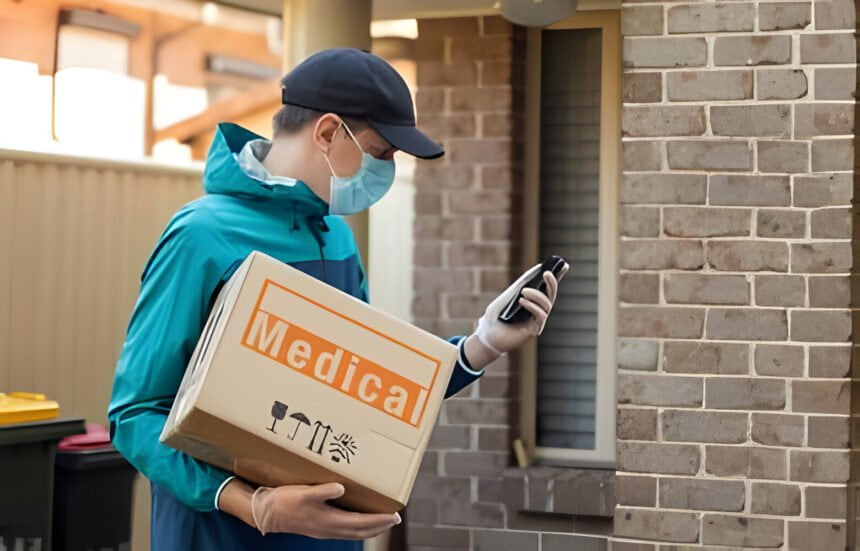
Medical technology has advanced dramatically in recent years, with new and efficient equipment being produced on a daily basis to improve healthcare practices. Statistics show that it will reach an astonishing value of $799.67 by 2030. However, with this expansion comes the necessity to pack and carry this sensitive and occasionally heavy equipment from one location to another to provide every healthcare institution with the same chances to treat their patients. However, medical devices can be difficult to pack and ship due to their size, weight, and value. The packaging procedure is critical since it ensures the equipment’s safety throughout transit. That is why, before shipping the devices, manufacturers and medical personnel should pack them carefully using proper packaging materials.
It is critical to maintain the safety and integrity of the equipment from the time it is manufactured or stored until it gets to its destination, such as a hospital or another medical practice. MRI equipment, CT scanners, and X-ray machines are all costly and highly sensitive to movement and unexpected environmental changes. Controlled temperatures, consistent movement, and protection from external factors such as dust and moisture are all common requirements for equipment. Therefore, you need a strategy that reduces the chance of damage.
Follow all legal regulations
It is critical to follow all legal requirements, including customs and import/export rules. Therefore, you should become familiar with all necessary logistics and transportation steps. For that purpose, find a medical logistics provider that will lead you along the way and help you with completing all healthcare and logistics regulations necessary. Collaborate with a company that has 24/7 customer support, highly trained staff, the latest real-time technology, and flexible capacity for surface, air, ocean, and multi-modal transport.
To minimize customs delays, engage with your logistics provider and verify that all documentation needed for successful customs clearance is properly reviewed before delivery. Also, ask them to help you thoroughly research all of the criteria for the country to which you are transporting.

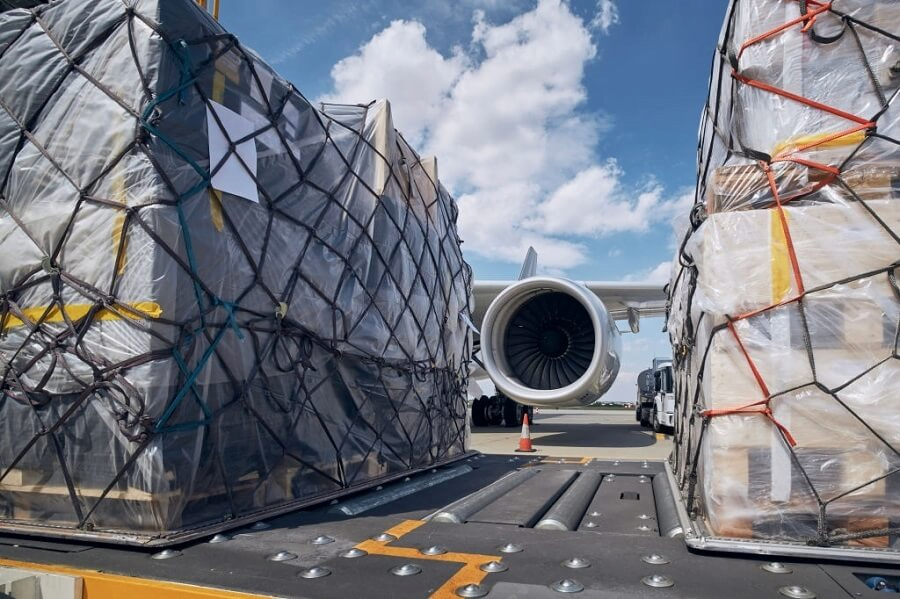
Image source: Afila
Protect the equipment
Your equipment must be transported from your warehouse to your customer without any damage. Therefore, packaging is the initial stage in delivering medical equipment and supplies. Choose robust, durable boxes that are the appropriate size for the things you intend to deliver. Use bubble wrap or foam cushioning to safeguard vulnerable equipment. Keeping everything well-packed will assist in avoiding damage throughout the transportation.
Whether you undertake this operation yourself or delegate packaging to your logistics provider, merely placing products in a crate or in a cardboard box and surrounding them with some packing paper is insufficient. You must be smart in your shipment preparation, including the use of bespoke blocking and bracing created by package engineers.
Labeling
Labeling is crucial for preventing misunderstanding and avoiding mistakes. The simplest method to correctly label your items is to assume that those handling them have no idea what’s inside. As a result, labeling the item with the appropriate information is critical to ensuring that it is treated with care. Make sure to first write what’s within, then label for heavy objects, items that are fragile, and item orientation. Also, the recipient’s address and contact information should be clearly written on the box.

Image source: Arka
Check the shipping route
When delivering medical equipment internationally, the shipping and packing requirements differ from those for local distribution. To securely pack and transport your things, you must understand the entire process, from preparation to shipment.
If the items will be exposed to adverse weather conditions, you should include extra padding and wrapping materials. So, it is critical to guarantee that your items are in safe hands, which means increasing the strength of your container.
Follow international safety standards
Most countries take into consideration the fragility and importance of medical equipment. So, when it comes to international shipment of the equipment, there are a few safety guidelines that must be followed before delivering the goods.
In some cases, you will be required to utilize biodegradable packaging, which necessitates additional planning and study. In addition to correct packaging, these criteria will involve acceptable loading and unloading processes, as well as vehicle safety restrictions. So, before you ship, be sure your products will be taken care of in all necessary ways.
Final thoughts
Medical device packaging and shipping need precise attention to detail, strict adherence to laws, and extensive risk management techniques. Stakeholders can assure the safe and efficient transfer of medical devices from manufacturers to end users by addressing critical factors such as regulatory compliance, product protection, sterility maintenance, labeling and documentation, transportation logistics, and risk management. Prioritizing quality, safety, and dependability across the supply chain not only protects patients but also improves healthcare companies’ reputation and competitiveness in the global market.