The Ponemon Institute and Medical Identity Fraud Alliance has released their 2013 Survey on
Medical Identity Theft. The report measures the prevalence and impact of medical identity
theft to consumers and the healthcare industry. Unfortunately, it shows that healthcare is low-hanging (and very lucrative) fruit for those involved in theft of medical identities.
The Ponemon Institute and Medical Identity Fraud Alliance has released their 2013 Survey on
Medical Identity Theft. The report measures the prevalence and impact of medical identity
theft to consumers and the healthcare industry. Unfortunately, it shows that healthcare is low-hanging (and very lucrative) fruit for those involved in theft of medical identities.
For the purposes of this study, medical identity theft occurs when someone uses an individual’s name and personal identity to fraudulently receive medical services, goods, and/or prescription drugs, including attempts to commit fraudulent billing. Key findings include:
- Medical identity theft is growing in volume, impact, and cost.
Medical identity theft and fraud are major societal problems, placing enormous pressure on the country’s healthcare and financial ecosystems. In 2013, the economic consequences of medical identity theft to victims are estimated at more than $12.3 billion in out-of-pocket expenses. Fifty-six percent of victims lost trust and confidence in their healthcare provider. Fifty-seven percent of consumers would find another provider if they knew their healthcare provider could not safeguard their medical records.

- Medical identity theft can cause serious medical and financial consequences, yet most consumers are unaware of the dangers.
Half of the consumers surveyed are not aware that medical identity theft can create permanent, life-threatening inaccuracies and permanent damage to their medical records. Medical identity theft victims surveyed experienced a misdiagnosis (15 percent of respondents), mistreatment (13 percent of respondents), delay in treatment (14 percent of respondents), or were prescribed the wrong pharmaceuticals (11 percent of respondents). Half of respondents have done nothing to resolve the incident.
- Most consumers don’t take action to protect their health information.
Fifty percent of respondents do not take any steps to protect themselves from future medical identity theft. Fifty-four percent of consumers do not check their health records because they don’t know how and they trust their healthcare provider to be accurate. Likewise, 54 percent of respondents do not check their Explanation of Benefits (EOBs). Of those who found unfamiliar claims, 52 percent did not report them.
- Consumers often share their medical identification with family members or friends, putting themselves at risk.
Thirty percent of respondents knowingly permitted a family member to use their personal identification to obtain medical services including treatment, healthcare products or pharmaceuticals. By sharing medical identification with family members or friends, consumers unintentionally leave themselves and their health records vulnerable. People do not know that they are committing fraud. More than 20 percent of people surveyed can’t remember how many times they shared their healthcare credentials. Forty-eight percent said they knew the thief and didn’t want to report him or her.
Consumers Can Take Action With These Seven Steps
MIFA recommends that individuals be the first line of defense in protecting their PHI; and suggests that individuals follow these seven steps:
- Review your Explanation of Benefits (EOBs). Ensure the doctors listed and services provided are accurate. If you find an incorrect item, even if no money is owed, contact your insurance company immediately.
- Obtain your “benefits request” annually. Your insurance provider can provide a list of all benefits and services paid in your name, which you can review to confirm all the services listed were received.
- Protect your medical insurance card. Leave your insurance card in a safe place, and don’t carry it with you unless it’s necessary.
- Safeguard your insurance-related paperwork. Shred or file your Explanation of Benefits in a safe, and preferably locked location.
- Report lost or stolen health insurance identification cards. Alert your insurance carrier of misplaced, lost, or stolen cards to avoid unauthorized use.
- Use vigilance when providing your personal or insurance information. Be sure you’re dealing with a reputable healthcare provider. Be cautious when offered free medical services. Often fraudsters use this as a way to obtain your health information.
- Review your credit reports annually. You have a right to request a free annual credit report from each of the three credit bureaus. Be sure your reports are free of any medical liens.
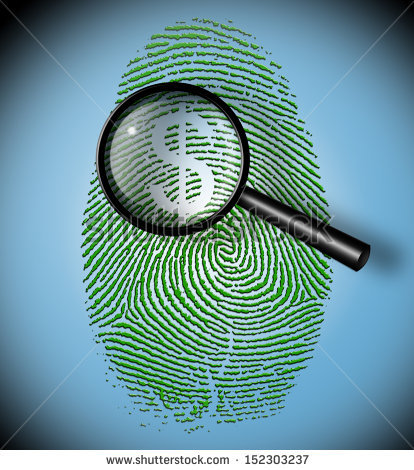
(Identity theft / shutterstock)