By using this site, you agree to the Privacy Policy and Terms of Use.
Accept
Health Works CollectiveHealth Works CollectiveHealth Works Collective
  • Health
    • Mental Health
  • Policy and Law
    • Global Healthcare
    • Medical Ethics
  • Medical Innovations
  • News
  • Wellness
  • Tech
Search
© 2023 HealthWorks Collective. All Rights Reserved.
Reading: Medical Residents Get Their Own Social Network
Share
Notification Show More
Font ResizerAa
Health Works CollectiveHealth Works Collective
Font ResizerAa
Search
Follow US
  • About
  • Contact
  • Privacy
© 2023 HealthWorks Collective. All Rights Reserved.
Health Works Collective > Policy & Law > Medical Education > Medical Residents Get Their Own Social Network
Medical Education

Medical Residents Get Their Own Social Network

waxcom
waxcom
Share
2 Min Read
SHARE

The days of looking for health-related information in an encyclopedia or medical journal are waning. Today, people go straight to the web and social networks, and that includes medical residents.

The days of looking for health-related information in an encyclopedia or medical journal are waning. Today, people go straight to the web and social networks, and that includes medical residents.

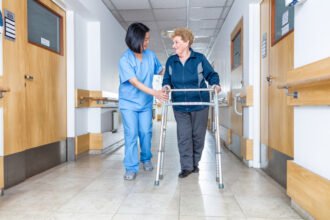
medical residents on social networksNow these residents have a new way to exchange information. QuantiaMD, an online physician community and collaboration platform with 160,000 members, is creating a Resident Exchange Social Network for young doctors. The network gives these physicians a place to share knowledge, ask questions and discuss issues related to medicine and medical practices.

The core of this Resident Exchange Social Network is its national library, which provides residents with a series of brief, high-impact case presentations created by chief residents. The site also provides a platform for residents to do their own social networking.

More Read

The Cookie-Cutter Medicine Fallacy
Here’s Why Plastic Surgery Shouldn’t Be Taboo Anymore
6 Tips for Getting Into Medical School
How Online Nursing Degrees Became Essential During the COVID-19 Crisis
What is Killer Number 1 ?

This new form of communication will allow new doctors to address the many non-medical issues that residents face in the rapidly changing and expanding healthcare environment. Members can access the network via PC, smartphones and tablets.

Residencies are tough, stressful times for many young doctors. This peer-group support network can help these physicians minimize their anxiety and focus on what they do best – treating patients and saving lives.


 

Share This Article
Facebook Copy Link Print
Share

Stay Connected

1.5kFollowersLike
4.5kFollowersFollow
2.8kFollowersPin
136kSubscribersSubscribe

Latest News

new talent in nursing
The Fast-Track Paths Bringing New Talent Into the Nursing Workforce
Career Nursing
November 30, 2025
AI agents in healthcare
AI Agents in Healthcare: How Sully.ai’s Virtual Team is Transforming Hospital Operations
Hospital Administration Technology
November 26, 2025
hospitality jobs health benefits
The Health Benefits of J-1 Hospitality Careers
Career
November 23, 2025
healing care
Why Healing Spaces Depend On Healthy Building Systems
Infographics News
November 19, 2025

You Might also Like

Being Your Own Patient Advocate

December 18, 2011

The Future of Medical Education: Very Real Simulation of Procedures and Teamwork

December 12, 2012
How to Prepare_Doctor_app't
Medical EducationNews

How to Prepare for a Second Opinion Doctor Appointment

November 10, 2015

Emergency Nurses: An Overabundance of Violence

November 11, 2015
Subscribe
Subscribe to our newsletter to get our newest articles instantly!
Follow US
© 2008-2025 HealthWorks Collective. All Rights Reserved.
  • About
  • Contact
  • Privacy
Welcome Back!

Sign in to your account

Username or Email Address
Password

Lost your password?