The “Choosing Wisely” campaign routinely releases information on tests that they find potentially unnecessary and sometimes harmful. An additional 18 tests or procedures to question have been added.
The “Choosing Wisely” campaign routinely releases information on tests that they find potentially unnecessary and sometimes harmful. An additional 18 tests or procedures to question have been added.
To date, more than 130 tests and procedures to question have been released as part of the ABIM Foundation’s campaign, which aims to spark conversations between patients and physicians about what care is really necessary.
The new list includes recommendations such as:
 Don’t schedule non-medically indicated inductions of labor or cesarean deliveries before 39 weeks, 0 days of pregnancy. Delivery prior to 39 weeks is associated with increased risk of learning disabilities, respiratory problems and other potential risks.
- Don’t use feeding tubes in patients with advanced dementia. Studies show that percutaneous feeding tubes do not result in better outcomes for these patients.
- Don’t perform routine annual Pap tests in women 30 – 65 years of age.
In average-risk women, routine annual Pap tests (cervical cytology screenings)
offer no advantage over screenings performed at three-year intervals.
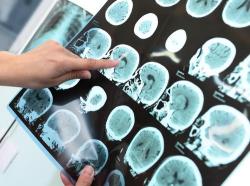
- Don’t automatically use CT scans to evaluate children’s minor head injuries. Approximately 50 percent of children who visit hospital emergency departments
with head injuries are given a CT scan. CT scanning is associated with radiation exposure that may escalate future cancer risk.
- Avoid doing stress tests using echocardiographic images to assess cardiovascular
risk in persons who have no symptoms and a low risk of having coronary disease.
- When prescribing medication for most people age 65 and older with type 2 diabetes, avoid attempting to achieve tight glycemic control.
- Don’t perform EEGs (electroencephalography) on patients with recurrent
headaches. Recurrent headache i the most common pain problem,
affecting up to 20 percent of people. The recommendation states that EEG
has no advantage over clinical evaluation.
- Don’t routinely treat acid reflux in infants with acid suppression therapy. Anti-reflux
therapy, which is commonly prescribed in adults, has no demonstrated effect in reducing the symptoms of gastroesophageal reflux disease (GERD) in infants, and there is emerging evidence that it may in fact be harmful in certain situations.
All of the recommendations were developed by the individual specialty societies after months of careful consideration and review.