We use cookies, including third-party cookies from Google to serve personalized ads through AdSense, to operate this site and understand how it is used. By continuing to browse, you accept this use. See our Privacy Policy and Terms of Use for details, including how to opt out of personalized advertising.
Accept
Health Works CollectiveHealth Works CollectiveHealth Works Collective
  • Health
    • Mental Health
  • Policy and Law
    • Global Healthcare
    • Medical Ethics
  • Medical Innovations
  • News
  • Wellness
  • Tech
Search
© 2023 HealthWorks Collective. All Rights Reserved.
Reading: Ebola and the Bigger Patient Safety Issue
Share
Notification Show More
Font ResizerAa
Health Works CollectiveHealth Works Collective
Font ResizerAa
Search
Follow US
  • About
  • Contact
  • Privacy
© 2023 HealthWorks Collective. All Rights Reserved.
Health Works Collective > Policy & Law > Global Healthcare > Ebola and the Bigger Patient Safety Issue
BusinessGlobal HealthcareHealth ReformHospital AdministrationPublic Health

Ebola and the Bigger Patient Safety Issue

DavidEWilliams
DavidEWilliams
Share
4 Min Read
SHARE
Did somebody say #Ebola?

Did somebody say #Ebola?

Did somebody say #Ebola?

Did somebody say #Ebola?

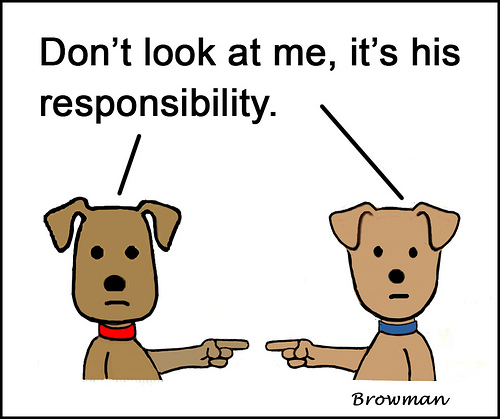
A Texas hospital blames its electronic medical record for the release of an Ebola patient who was sent home from the ER with an antibiotic (useless for a viral infection) and later came back to the hospital and died. In Spain, the government is blaming a nurse for catching Ebola from a patient and defending how it handled the disinfection of the ambulance an Ebola patient rode in.

Fact is, these sorts of screwups happen in hospitals every day. Individual cases are being reported now because they’re Ebola-related and therefore newsworthy. I’m hopeful that a positive byproduct of the Ebola scrutiny will be a renewed awareness of patient safety and quality of care issues by hospitals and patients.

It’s worth revisiting a post I wrote back in 2006 (Going to the hospital? BYMOD). I’ve reposted it below:

By now, most people know that hospitals are dangerous places, filled with medication errors, infections, poor communications and generally bad service. In case anyone needs to be convinced, the Institute of Medicine has just released a report on medication errors, indicating –among other things– that the rate of medication error is about 1 per patient per day!

In the A Piece of Mind column in the July 12 JAMA, Dr. Frederick Hecht of San Francisco recounts the story about his daughter’s bout with leukemia four years ago and subsequent recovery. The story is about the extra burden of being a physician when a family member is ill –no blissful ignorance and wishful thinking for him.

But as with any true story about illness and hospitalization, there is a subtext of error and danger:

Several days into my daughter’s treatment, I observed that one of the pills she was getting had changed, and it didn’t match anything she was supposed to be getting in the Physicians’ Desk Reference, which I already had at her bedside. It turned out that she was getting cis retinoic acid (Accutane) rather than all trans retinoic acid (ATRA) due to a pharmacy error. An acne medicine had been substituted for a critical chemotherapy treatment.

Maybe this was the hospital’s rendition of “live fast, die young, and leave a good looking corpse.” Anyway, he continues:

At another point, I noted a potentially life-threatening drug-induced hepatitis, which had been missed on her maintenance chemotherapy laboratory tests.

In other words, his daughter could well have died if she hadn’t had her father, the doctor, looking after her.

Don’t be lulled into trusting the hospital to take care of you. If you go to the hospital, try your best to take someone who knows what they are doing and isn’t afraid to speak up for you. If possible, BYOMD.

photo: cheerfulmonk via photopin cc

TAGGED:Ebola
Share This Article
Facebook Copy Link Print
Share

Stay Connected

1.5KFollowersLike
4.5KFollowersFollow
2.8KFollowersPin
136KSubscribersSubscribe

Latest News

Before Sterilization Begins: Why Bioburden Testing Matters -- AI-generated illustration
Before Sterilization Begins: Why Bioburden Testing Matters
Health Infographics
September 11, 2026
Hidden Cybersecurity Roadblocks That Can Complicate FDA Submissions -- AI-generated illustration
Hidden Cybersecurity Roadblocks That Can Complicate FDA Submissions
Infographics Policy & Law Technology
September 11, 2026
Smaller, Lighter, Smarter: How Inflation Is Changing Wellness Packaging -- AI-generated illustration
Smaller, Lighter, Smarter: How Inflation Is Changing Wellness Packaging
Infographics Wellness
September 11, 2026
How Roof Deterioration Affects Indoor Air Quality and the Health of Building Occupants -- AI-generated illustration
How Roof Deterioration Affects Indoor Air Quality and the Health of Building Occupants
Health
September 10, 2026

You Might also Like

Clinical Trial: An Insider’s View

August 2, 2011
patient worried
BusinessFinanceHospital AdministrationPolicy & Law

Where Cash Is King, What Happens to Patients?

July 10, 2014

InCrowd Joins the Healthcare Social Media Discussion

February 19, 2014

Medical Advancement: 6 Things to Know About Your Body

March 21, 2016
Subscribe
Subscribe to our newsletter to get our newest articles instantly!
Follow US
© 2008-2026 HealthWorks Collective. All Rights Reserved.
  • About
  • Contact
  • Privacy
Welcome Back!

Sign in to your account

Username or Email Address
Password

Lost your password?