We use cookies, including third-party cookies from Google to serve personalized ads through AdSense, to operate this site and understand how it is used. By continuing to browse, you accept this use. See our Privacy Policy and Terms of Use for details, including how to opt out of personalized advertising.
Accept
Health Works CollectiveHealth Works CollectiveHealth Works Collective
  • Health
    • Mental Health
  • Policy and Law
    • Global Healthcare
    • Medical Ethics
  • Medical Innovations
  • News
  • Wellness
  • Tech
Search
© 2023 HealthWorks Collective. All Rights Reserved.
Reading: Obama to Congress: Quality, not Quantity of Care
Share
Notification Show More
Font ResizerAa
Health Works CollectiveHealth Works Collective
Font ResizerAa
Search
Follow US
  • About
  • Contact
  • Privacy
© 2023 HealthWorks Collective. All Rights Reserved.
Health Works Collective > Policy & Law > Health Reform > Obama to Congress: Quality, not Quantity of Care
Health ReformPolicy & Law

Obama to Congress: Quality, not Quantity of Care

Liz Seegert
Liz Seegert
Share
3 Min Read
English: U.S. President delivers the while sta...
SHARE

English: U.S. President delivers the while sta...

English: U.S. President delivers the while sta...

The President laid out the agenda for his second administration in last night’s State of the Union address. Tucked among the many issues he spoke about included a short push for continued evolution of health care.  While his comments on this were brief, they were promising for the future of senior’s health.

our medical bills shouldn’t be based on the number of tests ordered or days spent in the hospital – they should be based on the quality of care that our seniors receive.

The shift is already occurring as more providers are forming or joining Accountable Care Organizations, or ACOs. ACOs are a consortium of providers — physicians, hospitals, step down facilities, home care companies — whose payments are linked to achieving cost-effective quality care with optimal outcomes. ACOs have a financial incentive to help seniors age in place, maintain quality of life, and avoid unnecessary hospital admissions.

More Read

social media healthcare
FDA’s Dr. Katz Talks Social Media and Clinical Trials
What Qualifies as a Wrongful Death?
The FDA Patient Network Website: Pretty Darn Patient-Centered
Looking Ahead to an Unpredictable Future
8 Ways to Avoid Ethical Pitfalls in Social Media – Part One

Another focus of the Affordable Care Act is e-health, which not only affects cost, but also promotes a more patient-centric approach. The shift to digital health records is already fostering increased efficiency. Providers share and exchange patient data, conduct virtual visits, and consult electronically.  Telehealth capabilities allow for virtual visits, patient transmission of real time information to clinicians such as glucose levels, blood pressure or weight. It gives clinicians valuable, longer-range data to analyze, making for more effective and targeted  patient care.

Fortunately, some legislators already “get it.”  I recently wrote about a proposed bill sponsored by Rep. Mike Thompson (D-CA) that is winding its way through the House that authorizes Medicare payments for telehealth services identical to that of in-person care, and other legislative efforts to enable small businesses to get low-interest government loans for EHR-related technology investments.

It’s good to know that the president continues to push for rational, common sense approaches to keep seniors (and the rest of us seniors-in-waiting) healthy, out of the hospital, and stay at home.  Let’s hope Congress takes note of the President’s words, and turns them into real action.


Share This Article
Facebook Copy Link Print
Share

Stay Connected

1.5KFollowersLike
4.5KFollowersFollow
2.8KFollowersPin
136KSubscribersSubscribe

Latest News

Flat editorial illustration: A health-editorial scene of a first pain-management visit, bringing together attentive consultation,
What to Expect at Your First Pain Management Appointment
Therapies Wellness
October 29, 2026
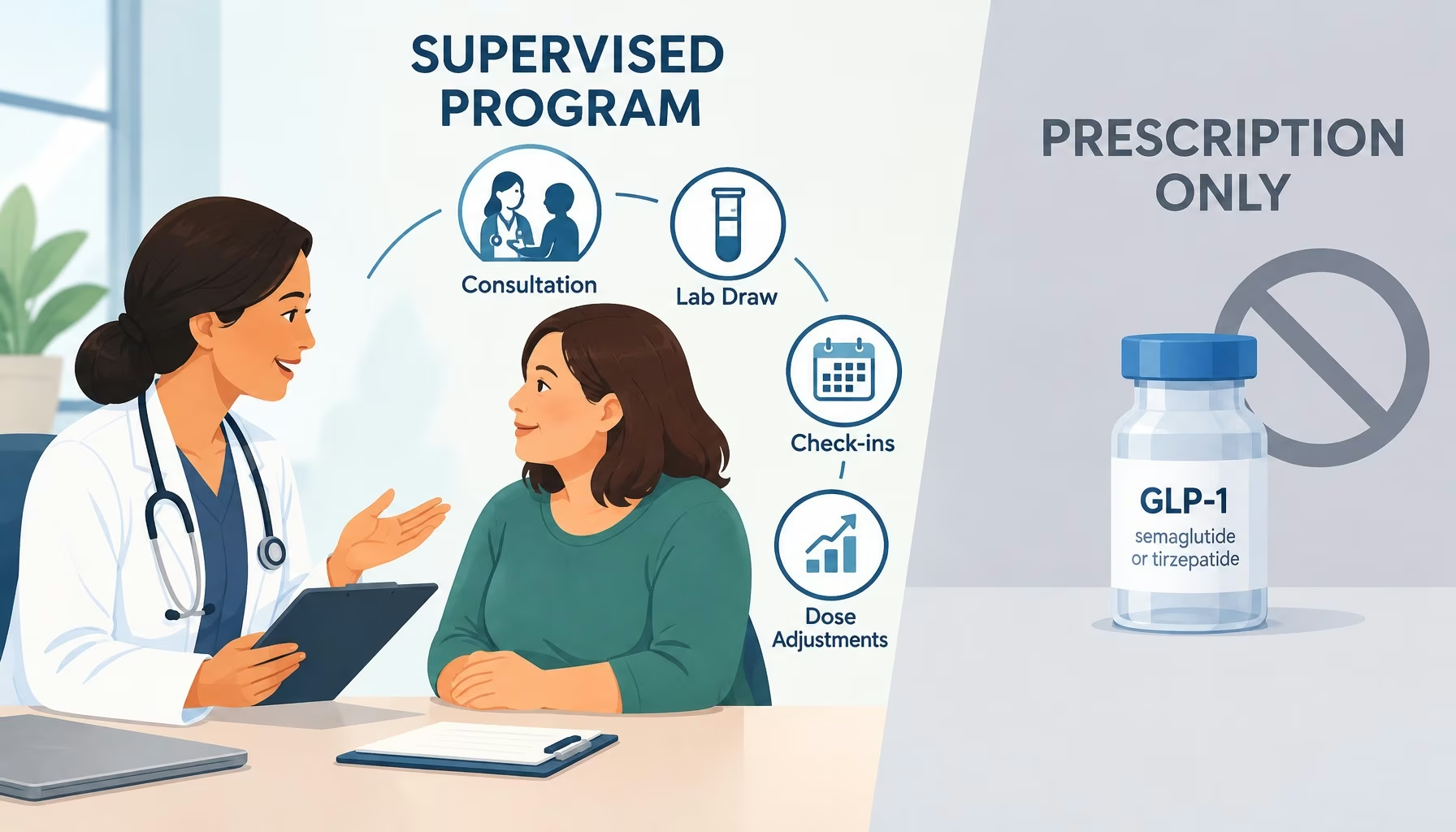
Flat editorial illustration: The core relationship is medication-only coverage versus coverage for a supervised clinical program.
Medical Weight Loss as a Workplace Benefit: The Questions I Would Want Asked
Weight Loss Wellness
October 29, 2026
Common Questions About Tirzepatide and Medical Monitoring -- AI-generated illustration
Common Questions About Tirzepatide and Medical Monitoring
Health
October 26, 2026
How Road Trauma Injuries Place Demands on Healthcare That Go Beyond the Examination Room  -- AI-generated illustration
How Road Trauma Injuries Place Demands on Healthcare That Go Beyond the Examination Room 
Global Healthcare Policy & Law
October 15, 2026

You Might also Like

Image
eHealthPublic Health

Person-Centered HealthCare: The FDA Gets Patient-Centric

May 31, 2013

Why Patients Need to Become Experts !

January 30, 2012

Were the Beatles Wrong About “When I Am Sixty-Four”?

October 5, 2014

Encouraging Medicare News From Senate Republicans

March 17, 2012
Subscribe
Subscribe to our newsletter to get our newest articles instantly!
Follow US
© 2008-2026 HealthWorks Collective. All Rights Reserved.
  • About
  • Contact
  • Privacy
Welcome Back!

Sign in to your account

Username or Email Address
Password

Lost your password?