One of the many things that we have talked about on the Healthworks Collective blog is the way that personal health choices are related to global health issues. We have talked a lot about how high blood pressure affects millions and plays a role in some of the most serious cardiovascular problems. You may want to read our previous article on identifying the signs of high blood pressure.
The CDC reports that 50 percent of men and 44 percent of women suffer from high blood pressure. It is actually one of the biggest challenges that healthcare providers are dealing with. Keep reading to learn more.
Blood Pressure in the Context of Global Health
Hypertension is a leading public health concern worldwide, and it impacts not only personal health but also the economic resources of healthcare systems. We recently read an article from the American Heart Assocation that showed the economic cost of heart disease will be worth over $1.49 trillion in the coming years. It is a condition that often develops silently, creating serious risks without obvious warning signs. Unfortunately, high blood pressure is a big reason for this problem.
This is why you need to monitor blood pressure to avoid having a stroke and see if you need to make lifestyle changes. You should recognize that early detection can change the trajectory of someone’s life.
More Read

Minali Nigam of CNN has reported that patients with a blood pressure of 160 face a 4.8% risk of having a heart attack or stroke. There are millions who might not know their numbers are in such a range. It is often said that awareness is the first step toward prevention.
The CDC also states that about 805,000 people in the United States experience a heart attack each year. It is a figure that illustrates the scale of the issue. You can understand how much of that toll is connected to uncontrolled blood pressure.
Cost-Effective Monitoring for Everyday Health
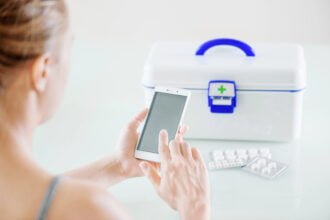
The growing demand for accurate yet affordable home-use devices reflects the reality that people want more control over their health. It is not only a matter of convenience but also a way to prevent costly emergency care.
You should know that devices are now available at lower prices while maintaining strong accuracy. There are products like the Sinocare Upper Arm Blood Pressure Monitor (Amazon link goes here I guess) that show how affordable technology can empower people.
We have also found that there are many reasons why self-monitoring helps people stick to treatment plans. You can see that making good choices can reduce the risk of heart disease by lowering blood pressure.
Lifestyle Interventions Supported by Evidence
You can make changes to your diet to help control hypertension. Many of the studies we have looked at have showm that low salt intake, balanced fats, and potassium-rich foods contribute to healthier blood pressure. Making simple changes to what you eat can reshape long-term outcomes.
You should be aware of the benefits of staying active, since cardiovascular fitness improves vessel function and reduces strain on the heart. A study by Sheila M Hegd of the Cardiovascular Division of Brigham and Women’s Hospital has cited research showing that between 75 percent and 80 percent of people with hypertension can reduce it by working out.
There are clear links between weight management and reductions in blood pressure, and smoking or heavy alcohol use only amplify risk. You can see that changing multiple habits at once often leads to stronger benefits.
Psychological Well-Being and Its Impact on Hypertension
Stress is one of the hidden causes of hypertension, and when combined with poor sleep quality, it undermines long-term control. It is widely known that anxiety increases cortisol levels, which feed directly into higher blood pressure.
There are public health campaigns that now address the role of mental health in cardiovascular risk. You should understand that these programs focus on stress reduction techniques and access to therapy.
Medication, Medical Guidance, and Policy Considerations
There are cases where lifestyle changes alone are not enough, and medication becomes necessary. There are many examples of patients avoiding hospital visits through this approach.
Policy discussions also consider how to expand access to affordable monitoring across different populations. It is clear that greater access would reduce long-term healthcare costs and prevent many of the emergencies linked to hypertension.
Managing Your Blood Pressure is Very Important
Managing blood pressure effectively requires both reliable monitoring and sustainable lifestyle changes. You should remember that these two approaches work together to create healthier outcomes.
Affordable, accurate devices give individuals the tools to take control of their health at home. There are opportunities for millions of people to lower their risk and improve their daily lives.