More Physicians Convert to Cash-Only Practices
 Rising healthcare costs have been the focus of healthcare reform for quite some time.
More Physicians Convert to Cash-Only Practices
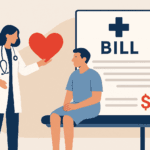
Rising healthcare costs have been the focus of healthcare reform for quite some time. However, recently several physicians have begun rejecting insurance, opting instead for cash-based practices in what is heralded as a successful means of decreasing the cost of care. There are some indications that this is a movement that is being explored more frequently by physicians.
According to a 2012 survey which was reported by the New York Times:
- More than 50% of physicians stated that they would be taking steps to reduce patient access to services
- 7% reported that they would be switching to a cash only payment model, and eliminating third party payers
A similar article by Sally Pipes on behalf of Forbes reported the following:
- Direct Payment Practices have increased from 9.2% of all practices in 2001 to 12.4% of all practices in 2008
Examples From Around the County
Examples of physicians taking the leap to a cash-based practice are abounding around the country.
According to a recent blog post by Kristen Butler on behalf of UPI, a Portland, Maine physician has recently switched to the cash-only payment model, and as a result is seeing significant savings, offering appointments for as low as a $50.00 cash fee. In the post Ciampi said, “I’m freed up to do what I think is right for the patients.” Ciampi went on further to state that “if more doctors were able to do this, that would be real health care reform. That’s when we’d see the cost of medicine truly go down.”
Similar examples are being reported across the country from Texas to Oregon. In Oregon another report has rolled out citing that several practices covering services from dermatology to general practice have forgone the third-party payer route to opt for cash-paying patients instead. One physician, Dr. Many Helman, stated, “I’m actually enjoying practicing medicine for the first time since I started the practice.”
This cash-based practice model is gaining momentum and appealing to more and more physicians who are looking to avoid complex and costly reimbursement processes currently in place via insurers, and who hope to gain more time with their patients and autonomy in the way that they practice. Dr. John Dunlap, an Overland Park, KS Internal Medicine physician, states that the cash-based payment model “keeps me working for the patient. I don’t have to answer to the insurance company first.”
The Pros and Cons
Cash-based physician visits may offer many pros for patients who enjoy longer visit durations with the physicians and upfront pricing that may be as low as 50% of the cost offered by practices that accept insurance. Doctors are able to pass significant savings on to their patients by eliminating the overhead that is created in the third-party payment process, and are able to increase the time spent with patients due to not having to adhere to often strict time-based billing processes. Despite this, there are still several potential drawbacks to increasing adoption of cash-based practices.
Roni Caryn Rabin of the New York Times poses the question, “Can the Affordable Care Act, intended to widen access to health care, succeed by expanding insurance coverage if primary care doctors are walking away from insurance?”
Currently access to healthcare is proving to be an imposing problem for reform, and one that is worsened due to the lack of physicians. If additional doctors and practices stop accepting certain patient segments, the pool of access may shrink even more. These issues were highlighted by the Medicare Payment Advisory Committee which recently reported that “adults ages 50 to 64 are having more trouble getting an appointment with a new physician” and 30% of those seeking a new primary physician in 2011 have reported problems with finding one.
Certainly navigating a solution that will provide high quality care, increased access, and considerations of both patients and physicians has proven to be a challenge. In the face of healthcare reform, the fact that some physicians are stepping away from insurance is evidence that there is not one single solution to preparing yourself and your practice for the changes on the healthcare horizon. With much of the ACA still speculative, and with debates flaring over whether cost efficiency in health care is possible through the ACA reform model, it is more important than ever that providers, practices, and hospitals examine their services, payment models, and care philosophies carefully in order to best position themselves in a rapidly changing climate.