In response to a recent press release from TONIX Pharmaceuticals, a leading company in the exploration of alternative PTSD treatment, we are issuing a 2-part special report looking at recent developments in the space.
In response to a recent press release from TONIX Pharmaceuticals, a leading company in the exploration of alternative PTSD treatment, we are issuing a 2-part special report looking at recent developments in the space. PTSD is a growing concern that, if treated with greater attention in mainstream media, may prevent serious neurological damage to our nation’s veterans and others. To the investor, this is a promising emerging opportunity, as a myriad of approaches are being regarded as tangible methods of cure. Let this special report be a road map to understanding this disorder and the emerging opportunities that may soon arise.
Part I of this report gives an over-arching view of PTSD, our society’s perceptions of the disorder and the most recent therapeutic developments. Part II takes a look at the dangers of prescribing pain pills and opioids to PTSD sufferers, and identifies the alternative methods of treatment in response to these pitfalls. The stories profile TONIX Pharmaceuticals among other treatments, as we have identified the company’s technology as particularly novel and news worthy.

We are still grasping for a firm societal understanding of Post-Traumatic Stress Disorder (PTSD).
To many, it is a neurological affliction that requires medical treatment to overcome. To others, the brain expresses emotive and physical atrophy, and be strengthened through exercise much like other muscles in the body.
As we welcome home more veterans and learn of the long-term toll trauma has had on our heroes – especially in spite of the most recent atrocities in Afghanistan – few deny that PTSD is a tragic condition that mustn’t become an epidemic.
Much like other neurological disorders, scientists in recent years have discovered pharmacological opportunities as the main treatment for PTSD, relying on therapies and wellness exercises as supplemental support. The scientific community remains divided, however, as to whether PTSD is a pre-disposed condition, and in turn if there exist more efficient and effective treatment options than management drugs.
PTSD treatment is a relatively new field, and with so many interpretations and subsequent therapy options at play (many of which do not include prescription treatment at all), the space presents significant opportunities but carries marked risk.
A recent Washington Post story highlights studies that suggest the correlation between PTSD and violent behavior to be weak, emphasizing that our social reaction to PTSD suffering is mixed with both fear and compassion.
In spite of the Post’s findings, MSNBC simultaneously reports that 46 percent of employers cite PTSD among other mental health issues as challenges in hiring employees with military experience, according to a 2010 Society of Human Resource Management survey. And a 2011 survey of 831 hiring managers by the Apollo Research Institute found that 39% were “less favorable” toward hiring military personnel when considering war-related psychological disorders.
PTSD can arise following child abuse or assault, terrorist attacks or significant group trauma, major accidents, natural disasters or exposure to war or combat. Symptoms include flashbacks, feeling emotionally numb or hyper-alert to danger, and avoiding situations that remind one of the original trauma.
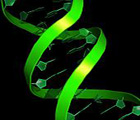
Researchers at UCLA recently found that susceptibility to PTSD may be inherited, according to a Psych Central report.At UCLA, Dr. Armen Goenjian and his colleagues extracted the DNA of 200 adults from several generations of 12 extended families who suffered PTSD symptoms after surviving the devastating 1988 earthquake in Armenia.
In studying the families’ genes, the researchers found that persons who possessed specific variants of two genes were more likely to develop PTSD symptoms. Called TPH1 and TPH2, these genes control the production of serotonin, a brain chemical that regulates mood, alertness, and sleep – all of which are disrupted in PTSD.
“We suspect that the gene variants produce less serotonin, predisposing these family members to PTSD after exposure to violence or disaster,” said Goenjian. “A diagnostic tool based upon TPH1 and TPH2 could enable military leaders to identify soldiers who are at higher risk of developing PTSD, and reassign their combat duties accordingly. . . Our findings may also help scientists uncover alternative treatments for the disorder, such as gene therapy or new drugs that regulate the chemicals responsible for PTSD symptoms.”