
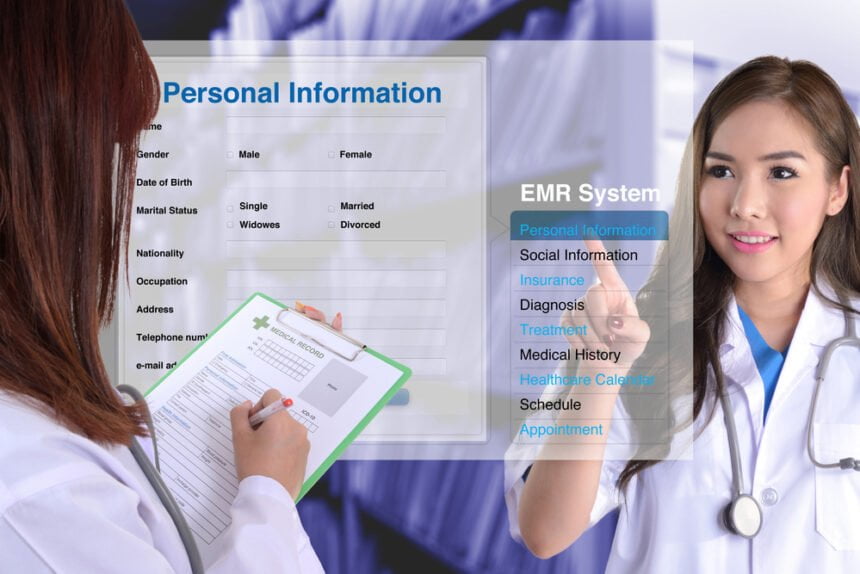
In healthcare today the number one issue among providers is compliance with federal, state and third-party regulations. With compliance mandates shaping an industry, moving increasingly larger volumes of files among stakeholders have to be delivered quickly and accurately – but also securely with precise transaction tracking to manage the growing number of electronic health records (EHRs). Secure file transfer (SFT) is an agile and advanced way to meet demanding secure file exchange requirements of today’s complex healthcare environment. Find out more at https://www.goanywhere.com/solutions/secure-ftp.
In addition to dealing with the challenges of ensuring safe file transfers that meet patient privacy and confidentiality needs, how files are transported, delivered, maintained and audited impact an organization’s ability to improve the quality of care, maximize efficiency, and ultimate control costs. Below are five ways to help select a file transfer solution that can meet a healthcare organization’s IT requirements but also improve day-to-day operations.
Security is the most important consideration. Look for a solution that has been fully vetted and tested. Does it have FIPS 140-2 certification and use AES 256-bit encryption to safeguard data at rest? Is it architected to protect against common attacks and vulnerabilities? Does it have strong transaction tracking and reporting, while supporting e-discovery, data breach monitoring, and compliance with federal and state personal data and patient privacy regulations.
Users like easy-to-use solutions. If a file transfer product is easy to use, users will quickly adopt the system. Solutions that are self-service, quick, and easy for users to share information without relying on IT support will encourage users to engage the system. If it’s easy to use, users won’t try using unsanctioned or rogue file transfer methods.
More Read

Tracking and Reporting is important for the business. Ideally solutions that can meet regulatory and compliance security auditing with transaction tracking is most important. It makes the user’s life less complex and boosts efficiency and productivity. When IT understands the workflow within the organization, accurate reporting is easier to develop and maintain.
Solutions must integrate with other corporate systems. For compliance purposes any file transfer solution should work with existing applications. A robust API or other integration points can extend the life of legacy systems by layering a secure messaging component on top of it. Even a simple folder-based automation utility that picks up and delivers files securely can extend a system to improve its secure communications capabilities.
Extensive administrative control is important. IT wants business features and controls with document-level encryption for security in the face of HIPAA requirements. When a solution can combine user ease of use with administrative control, everyone wins. Protecting patient information is second nature these days to healthcare professionals, but some healthcare organizations still lack the proper tools to facilitate the secure communication of medical information.
While compliance has been around for quite a while, the tools have not – and making these tools readily available and easy to use ensures people are not downloading and running unsanctioned solutions or simply skirting the requirements altogether. Today’s solutions are more secure and easier to use, but flexibility and configurability of these solutions is key to ensure they fit into existing environments.
File transfer solutions / shutterstock