We use cookies, including third-party cookies from Google to serve personalized ads through AdSense, to operate this site and understand how it is used. By continuing to browse, you accept this use. See our Privacy Policy and Terms of Use for details, including how to opt out of personalized advertising.
Accept
Health Works CollectiveHealth Works CollectiveHealth Works Collective
  • Health
    • Mental Health
  • Policy and Law
    • Global Healthcare
    • Medical Ethics
  • Medical Innovations
  • News
  • Wellness
  • Tech
Search
© 2023 HealthWorks Collective. All Rights Reserved.
Reading: The Shortage of Healthcare Workers and Deliverers
Share
Notification Show More
Font ResizerAa
Health Works CollectiveHealth Works Collective
Font ResizerAa
Search
Follow US
  • About
  • Contact
  • Privacy
© 2023 HealthWorks Collective. All Rights Reserved.
Health Works Collective > Policy & Law > Medical Education > The Shortage of Healthcare Workers and Deliverers
BusinessMedical Education

The Shortage of Healthcare Workers and Deliverers

drkevin1951
drkevin1951
Share
2 Min Read
SHARE

First posted on The Fickenscher Files on 7/16/2012

First posted on The Fickenscher Files on 7/16/2012

In some respects, the bigger problem in healthcare is not the outcome of the U.S. Supreme Court decision on the Patient Protection and Affordable Care Act.  Rather, the real concern in the industry is that we need to create an additional 5.6 million new jobs by 2020 to meet the growing demand for care, which is causing real concern among those who will be delivering the care.  That’s the conclusion of a new study.

from the Georgetown University Center on Education and Workforce.  Even more daunting is the fact that 82 percent – or, about 4.6 million of the positions – will require post-secondary education and training.  If we include all of the “behind-the-scenes” workers such as hospital accountants, information specialists, administrative assistants, and the like, the overall healthcare employment will increase from 15.6 million in 2010 to about 19.8 million jobs in 2020.  This will account for just over 13 percent of all U.S. jobs.

More Read

What Different Nursing Degrees Do
Two Pills, $200,000, Can We Afford it?
One-on-One Cancer Support Empowers Patients
First Lawsuit Filed Against a Business Associate Under HIPAA / HITECH
Surgery Videos as an Online Medical Marketing Technique

As I’ve noted before, we have a bit of a Catch-22 going on.  Healthcare is consuming more resources, but in the current recession, it is also contributing more to job growth than any other part of the economy.   The data show that healthcare jobs are continuing their upward trend,  even in a weak economy, by adding 32,800 jobs in May.  The even BIGGER issue, from my perspective, is the very clear and looming shortage of healthcare professionals to deliver the care.  Over the next decade – as the boomers enter a new stage of life (do you like my euphemism?) – fully one-third of physicians will enter retirement, disability or death.  Now, that’s ominous.  We need to begin the dialogue now on a new delivery model and the debate is only now at the very formative stages.


 

TAGGED:physician shortage
Share This Article
Facebook Copy Link Print
Share

Stay Connected

1.5KFollowersLike
4.5KFollowersFollow
2.8KFollowersPin
136KSubscribersSubscribe

Latest News

Flat editorial illustration: The article connects routine visual inspection and accurate barrier fit with protection of peristoma
Peristomal Skin Care: Healthy Skin, Irritation Causes, and When to See a WOC Nurse
Health Nursing
November 2, 2026
Flat editorial illustration: Clinical-trial operations editorial illustration combining healthcare and technology: country-specif
Clinical Study Operations Across Eastern European Research Markets
Health
October 31, 2026
Flat editorial illustration: A health-editorial scene of a first pain-management visit, bringing together attentive consultation,
What to Expect at Your First Pain Management Appointment
Therapies Wellness
October 29, 2026
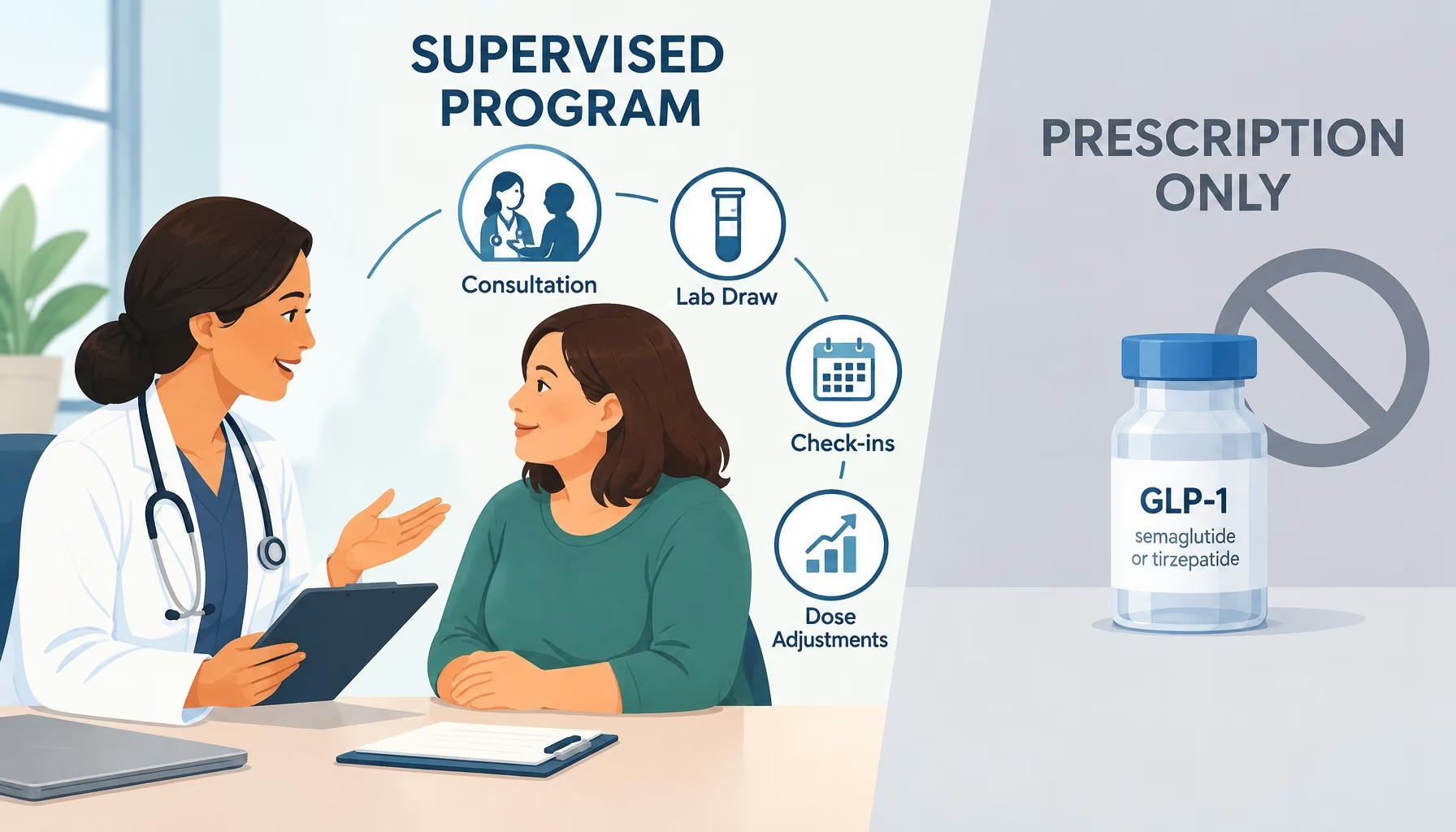
Flat editorial illustration: The core relationship is medication-only coverage versus coverage for a supervised clinical program.
Medical Weight Loss as a Workplace Benefit: The Questions I Would Want Asked
Weight Loss Wellness
October 29, 2026

You Might also Like

Physician with Child
Business

Medical Practice Branding and Website Imagery

April 17, 2012

Tweaks to Make your PC Experience Better as a Doctor

December 22, 2011

More Facility Fee Dysfunction: Infused Drugs

January 30, 2013

State Health Insurance Exchanges: A Solution in Search of a Problem

April 14, 2011
Subscribe
Subscribe to our newsletter to get our newest articles instantly!
Follow US
© 2008-2026 HealthWorks Collective. All Rights Reserved.
  • About
  • Contact
  • Privacy
Welcome Back!

Sign in to your account

Username or Email Address
Password

Lost your password?