Tobacco was once the cash crop of the south. I grew up in North Carolina in the 1970s and early 1980s where summer jobs on tobacco farms and “priming tobacco” were a rite of passage for local young people. Smoking was readily accepted in public places and even on airplanes. In movies and on TV, smoking was depicted as sophisticated and as a “cool” thing to do. Since that time, much has changed. Smoking has been implicated in the development of several life threatening diseases such as lung cancer, stroke and cardiovascular disease (heart attacks).
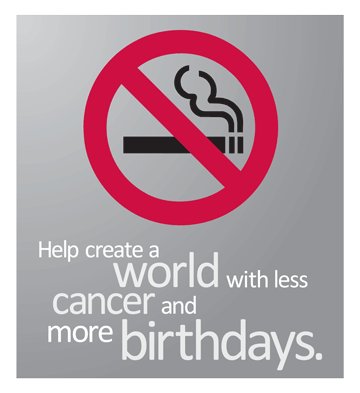
Tobacco was once the cash crop of the south. I grew up in North Carolina in the 1970s and early 1980s where summer jobs on tobacco farms and “priming tobacco” were a rite of passage for local young people. Smoking was readily accepted in public places and even on airplanes. In movies and on TV, smoking was depicted as sophisticated and as a “cool” thing to do. Since that time, much has changed. Smoking has been implicated in the development of several life threatening diseases such as lung cancer, stroke and cardiovascular disease (heart attacks). Governments, both local, state, and federal have made huge strides in the last 10 years to prevent smoking in public places. Data has emerged suggesting that secondhand smoke may be linked to cancer and may exacerbate asthma in susceptible patients. Secondhand smoke contains over 7,000 chemicals, including hundreds of known toxins and 70 that are known to cause cancer. Data has shown that non smokers who are exposed to secondhand smoke increase their risk for heart disease by 25-30%. According to several meta analyses published over the last several years, lifelong nonsmokers who live with smokers have a 30% increase in risk for developing lung cancer as compared to those who are not exposed. Smoking has now been banned in public places and restaurants in many cities across the nation (even in North Carolina where tobacco once was the staple of the economy).This week in the Archives of Internal Medicine, researchers published an investigation that examined how laws banning smoking in the workplace in Olmsted County, Minnesota affected outcome. Many previous studies have already demonstrated that smoking bans reduce the incidence of lung cancer and cardiovascular events in the affected populations. However, no study to date has looked at risk reduction for sudden cardiac death. In 2002 in Minnesota, smoking was banned in all restaurants and in 2007 smoking was outlawed in the workplace. In this particular investigation, the rates of sudden cardiac death over 18 months after the workplace smoking ban were evaluated. In the study population, the heart attacks rate was decreased by 33% and the rate of sudden cardiac death was significantly reduced by 17%. Interestingly, when smoking was banned in the workplace, the overall numbers of active smokers declined as well. This important study has received national attention and was covered by both NPR and the New York Times on Monday afternoon.
According to the CDC, smoking is the number one preventable cause of death in the US today and accounts for 443,000 deaths annually. In this era of increasing medically related costs, smoking related illness accounts for healthcare expenditures of nearly 96 billion dollars annually. As citizens, physicians, patients and potential patients, we all have a responsibility to help contain healthcare costs. There is no doubt that smoking is a major contributor to illness and is the number one preventable risk factor in the US today. If we are able to continue to reduce smoking rates through education, regulation and awareness we will be able to significantly impact public health in the US today.
Investigations such as the Archives study published this week should serve as a wake up call to all of us. Smoking kills-of that there is no doubt. As physicians, we must continue to spend time counselling patients on smoking cessation and offer support and strategies for quitting. We must engage our patients and help to motivate them to quit. Public smoking bans and excessive taxation on tobacco products are certainly a big deterrent, but much more needs to be done. Once again, this goes back to communication between doctor and patient. Smoking cessation is not an easy task for patents or providers but it is essential. Partnership between doctor and patient is the first step.