We use cookies, including third-party cookies from Google to serve personalized ads through AdSense, to operate this site and understand how it is used. By continuing to browse, you accept this use. See our Privacy Policy and Terms of Use for details, including how to opt out of personalized advertising.
Accept
Health Works CollectiveHealth Works CollectiveHealth Works Collective
  • Health
    • Mental Health
  • Policy and Law
    • Global Healthcare
    • Medical Ethics
  • Medical Innovations
  • News
  • Wellness
  • Tech
Search
© 2023 HealthWorks Collective. All Rights Reserved.
Reading: Social Media Laws – Really?
Share
Notification Show More
Font ResizerAa
Health Works CollectiveHealth Works Collective
Font ResizerAa
Search
Follow US
  • About
  • Contact
  • Privacy
© 2023 HealthWorks Collective. All Rights Reserved.
Health Works Collective > eHealth > Social Media > Social Media Laws – Really?
Policy & LawSocial Media

Social Media Laws – Really?

thielst
thielst
Share
2 Min Read
Image
SHARE

Image

Image

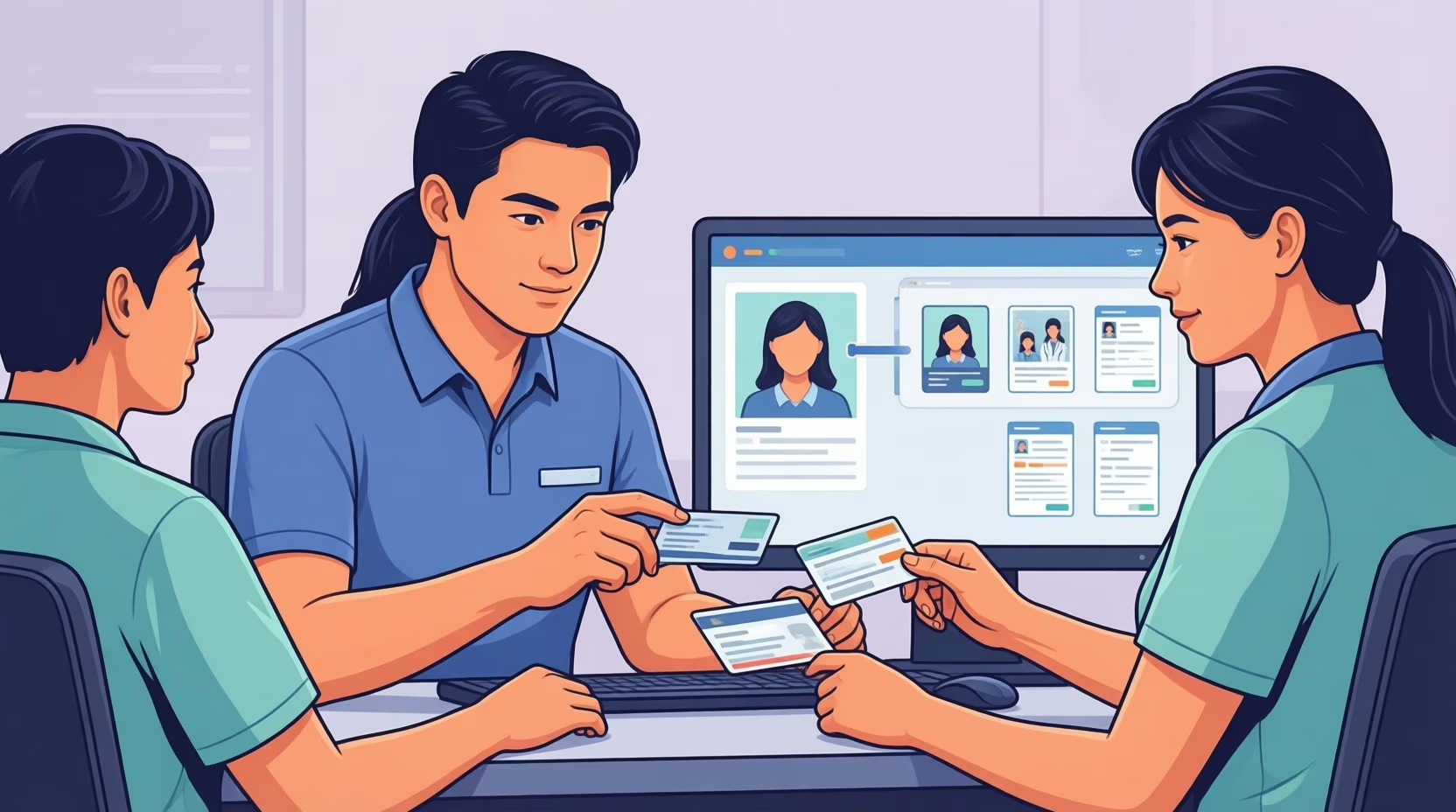
Several state laws, including California’s AB1844, went into effect this week and prevent employers from requiring employees or applications from providing their social media user names or passwords.  I had heard of this practice by companies and some hospitals and could only wonder if the human resource leaders or executives truly understood the risk.  In this post, I thought I’d just pose a few questions.

1. Shouldn’t my personal Facebook page or other social media channels be private?  Yes, if I manage the company/hospital’s account, I would expect you to have the user name and password in case something happens to me (unexpected illness or leave, death, termination, etc.) But, do you really want to peer into my personal life — would you peer into my home?

More Read

California Supreme Court Rebuts Court Ruling On UR Physician Liability
Video: Utah & Massachusetts on Healthcare Exchanges
The Rising Importance of Data Governance and Archiving in Healthcare
Giving Smokers a Pass on Health Premiums
Repeal and Replace or Repeal and Do Nothing?

2. Who exactly will be looking at my social media channels – the hiring manager?

3. What would you do if you found any of the following by looking at my social media accounts?

    • I am gay/lesbian/bisexual/transgender or associate with those who are g/l/b/t.
    • I have just had/adopted a baby 
    • I’m newly married
    • My age
    • I’ve had chronic health issues
    • I’m Catholic, Jewish, or Muslim

4. What social media channels will you ask me to access?  Twitter, Facebook, LinkedIn?  What if I also (or instead) have accounts with Google+, Friendster, Pinterest, Squidoo, Instagram, FourSquare and many others?

5.  What does your social media policy say?  Is it overly broad, include prohibit organizing communications, or address a publicly-available sensitive issue for the employer?

There are several appropriate things that employers can do to minimize risks around employee social media use and to assess applicants for signs of poor communication or judgement. Prohibiting access to social media channels, or inspecting an applicant/employee’s social media channels is short-sighted and a sign that the employer is out of touch with the reality of social media. Unfortunately, it took legislation — in several states — to keep these employers from self destructing.

photo:legal/shutterstock
Share This Article
Facebook Copy Link Print
Share

Stay Connected

1.5KFollowersLike
4.5KFollowersFollow
2.8KFollowersPin
136KSubscribersSubscribe

Latest News

Flat editorial illustration: Healthcare editorial illustration about accurate patient intake connecting registration, clinical re
The Role of Patient Data Accuracy in Healthcare Operations
Global Healthcare Policy & Law
November 11, 2026
Flat editorial illustration: Healthcare ethics-and-law training, shown through a coached clinical role-play where structured disc
Medical Ethics and the Law: The Training Behind Professionals Who Resolve Healthcare Disputes
Uncategorized
November 6, 2026
Flat editorial illustration: The article connects routine occupational health screening with early exposure detection and better
What Routine Workplace Health Monitoring in Medical Environments Actually Prevents
Uncategorized
November 6, 2026
Flat editorial illustration: The article contrasts structured prelicensure education with ongoing, practice-focused development f
Academic vs. Clinical Education: How Teaching Settings Shape Nursing Learners and Outcomes
Uncategorized
November 6, 2026

You Might also Like

From Denial to Responsibility – Connected Health Can Make Us All Accountable for Our Care

December 5, 2014
AI in healthcare education
Artificial IntelligenceMedical EducationPolicy & LawTechnology

Colleges Prove the Huge Benefits of AI in Healthcare Education

February 21, 2023

State Medical Boards Address Inappropriate Online Physician Behaviors

January 19, 2013
BusinessNewsPublic Health

How is Gaming Changing the Landscape in Health Care? Part 2 | Joseph C. Kvedar, Center for Connected Health

January 6, 2012
Subscribe
Subscribe to our newsletter to get our newest articles instantly!
Follow US
© 2008-2026 HealthWorks Collective. All Rights Reserved.
  • About
  • Contact
  • Privacy
Welcome Back!

Sign in to your account

Username or Email Address
Password

Lost your password?