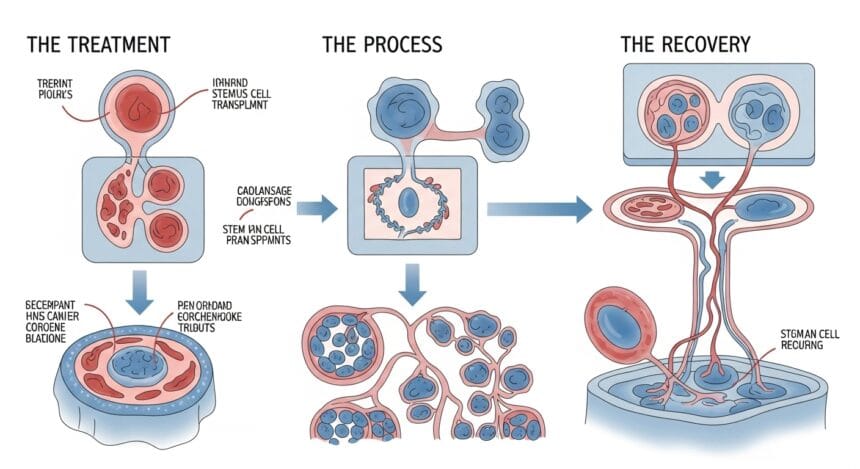
A stem cell transplant is a cutting-edge medical procedure that has changed how many deadly diseases are treated. Commonly used in conditions such as blood cancers, immune system disorders, and certain genetic diseases, this therapy helps restore the body’s ability to produce healthy blood cells. With continuous medical advancements and expert care available at leading healthcare institutions like Liv Hospital, stem cell transplantation has become safer, more effective, and more accessible to patients worldwide.
What Is a Stem Cell Transplant?
A stem cell transplant is a procedure in which damaged or diseased bone marrow is replaced with healthy stem cells. These stem cells are responsible for producing red blood cells, white blood cells, and platelets—essential components for oxygen transport, immunity, and clotting.
There are two main types of stem cell transplants:
- Autologous transplant: Uses the patient’s own stem cells.
- Allogeneic transplant: Uses stem cells from a compatible donor.
The choice of transplant depends on the patient’s condition, overall health, and treatment goals.

Conditions Treated with Stem Cell Transplantation
Stem cell transplants are most commonly used to treat:
- Leukemia
- Lymphoma
- Multiple myeloma
- Aplastic anemia
- Immune deficiency disorders
- Certain inherited metabolic diseases
By replacing unhealthy bone marrow with functioning stem cells, the transplant allows the body to rebuild a healthy blood and immune system.
The Stem Cell Transplant Process
The stem cell transplant procedure follows a carefully planned, multi-step process:
1. Pre-Transplant Evaluation
Before the transplant, patients undergo detailed medical assessments, including blood tests, imaging, and organ function evaluations. This ensures the body is prepared for the intensive treatment.
2. Conditioning Therapy
Patients receive high-dose chemotherapy or radiation therapy to destroy diseased cells and suppress the immune system. This step creates space in the bone marrow for the new stem cells to grow.
3. Stem Cell Infusion
Healthy stem cells are infused into the bloodstream through an IV line, similar to a blood transfusion. The cells naturally travel to the bone marrow, where they begin producing new blood cells.
4. Engraftment and Recovery
Engraftment occurs when the new stem cells start making healthy blood cells. This period requires close monitoring, as the immune system is temporarily weak.
Benefits and Risks
Benefits
- Potentially life-saving treatment
- Can lead to long-term remission or cure
- Restores healthy blood and immune function
Risks
- Infections due to weakened immunity
- Graft-versus-host disease (in allogeneic transplants)
- Fatigue and temporary side effects from chemotherapy
With experienced medical teams and advanced facilities, the risks can be effectively managed, improving patient outcomes.
Recovery and Post-Transplant Care
Recovery after a stem cell transplant varies from patient to patient. Some individuals may take several months to regain full strength, while others may need longer. During recovery, patients are advised to:
- Attend regular follow-up appointments
- Maintain strict hygiene to prevent infections
- Follow a balanced, nutrient-rich diet
- Avoid crowded places during early recovery
Emotional and psychological support is also a crucial part of healing, as the transplant journey can be physically and mentally demanding.
Life After a Stem Cell Transplant
A successful stem cell transplant often marks a new beginning. Many patients return to their daily routines, work, and social lives with improved health and renewed confidence. Long-term lifestyle adjustments, including stress management, proper nutrition, and regular exercise, play an important role in maintaining overall well-being.
To support holistic recovery and a healthier lifestyle after treatment, patients may also explore wellness-focused resources such as Live and Feel, which emphasizes balanced living, mental wellness, and long-term vitality.
Conclusion
Stem cell transplantation represents one of the most significant breakthroughs in modern medicine. Replacing damaged bone marrow with healthy stem cells, it offers hope to patients facing serious and complex diseases. With expert care, advanced technology, and comprehensive recovery support available at institutions like Liv Hospital, patients can move forward with confidence toward a healthier future.