We use cookies, including third-party cookies from Google to serve personalized ads through AdSense, to operate this site and understand how it is used. By continuing to browse, you accept this use. See our Privacy Policy and Terms of Use for details, including how to opt out of personalized advertising.
Accept
Health Works CollectiveHealth Works CollectiveHealth Works Collective
  • Health
    • Mental Health
  • Policy and Law
    • Global Healthcare
    • Medical Ethics
  • Medical Innovations
  • News
  • Wellness
  • Tech
Search
© 2023 HealthWorks Collective. All Rights Reserved.
Reading: Stroke Before 50 Not Good for Long Term Health
Share
Notification Show More
Font ResizerAa
Health Works CollectiveHealth Works Collective
Font ResizerAa
Search
Follow US
  • About
  • Contact
  • Privacy
© 2023 HealthWorks Collective. All Rights Reserved.
Health Works Collective > Wellness > Stroke Before 50 Not Good for Long Term Health
Wellness

Stroke Before 50 Not Good for Long Term Health

Anthony Cirillo
Anthony Cirillo
Share
2 Min Read
brain stroke
SHARE

brain strokeAdults 50 years of age and younger who experienced a stroke had a significantly higher risk of death in the following 20 years compared with the general population, according to a study in the March 20 issue of JAMA.

brain strokeAdults 50 years of age and younger who experienced a stroke had a significantly higher risk of death in the following 20 years compared with the general population, according to a study in the March 20 issue of JAMA.

“Stroke is one of the leading causes of mortality, with an annual 6 million fatal events worldwide. Stroke mainly affects elderly people, yet approximately 10 percent of strokes occur in patients younger than 50 years.” 

Loes C. A. Rutten-Jacobs, M.Sc., of Radboud University Nijmegen Medical Centre, Nijmegen, the Netherlands, and colleagues conducted a study to investigate long-term mortality and cause of death after first acute stroke among adults 18 through 50 years of age and to compare this with nationwide age- and sex-matched mortality rates. Observed mortality was compared with the expected mortality, derived from mortality rates in the general population with similar age, sex, and calendar-year characteristics.

During the follow-up period, 192 patients (20.0 percent) had died. Analysis of the data indicated that after surviving the first 30 days after ischemic stroke, the cumulative mortality was increased compared with expected based on nationwide population mortality data.
 

“This mortality remained at this higher level even in the second and third decade after young [18-50 years of age] stroke. The cumulative 20-year mortality for ischemic stroke among 30-day survivors was higher in men than in women (33.7 percent vs. 19.8 percent).”

The authors observed that a long-term increased risk for vascular disease could have important implications for the implementation of secondary prevention (both medical and lifestyle) treatment strategies.

More Read

Colon Cancer Diagnosed at Earlier Ages
Helping Special Needs Individuals Lead Happy and Healthy Lives
Where does Complementary and Alternative Medicine Fit in US Healthcare?
Senior Care Services offer Wonderful Solutions to Loved Ones
Pre-Diabetes Interventions at All Levels

Bottom line, you need to be constantly monitored. Check with your physician.

(image: stroke / shutterstock)

TAGGED:stroke
Share This Article
Facebook Copy Link Print
Share

Stay Connected

1.5KFollowersLike
4.5KFollowersFollow
2.8KFollowersPin
136KSubscribersSubscribe

Latest News

Flat editorial illustration: Healthcare ethics-and-law training, shown through a coached clinical role-play where structured disc
Medical Ethics and the Law: The Training Behind Professionals Who Resolve Healthcare Disputes
Uncategorized
November 6, 2026
Flat editorial illustration: The article connects routine occupational health screening with early exposure detection and better
What Routine Workplace Health Monitoring in Medical Environments Actually Prevents
Uncategorized
November 6, 2026
Flat editorial illustration: The article contrasts structured prelicensure education with ongoing, practice-focused development f
Academic vs. Clinical Education: How Teaching Settings Shape Nursing Learners and Outcomes
Uncategorized
November 6, 2026
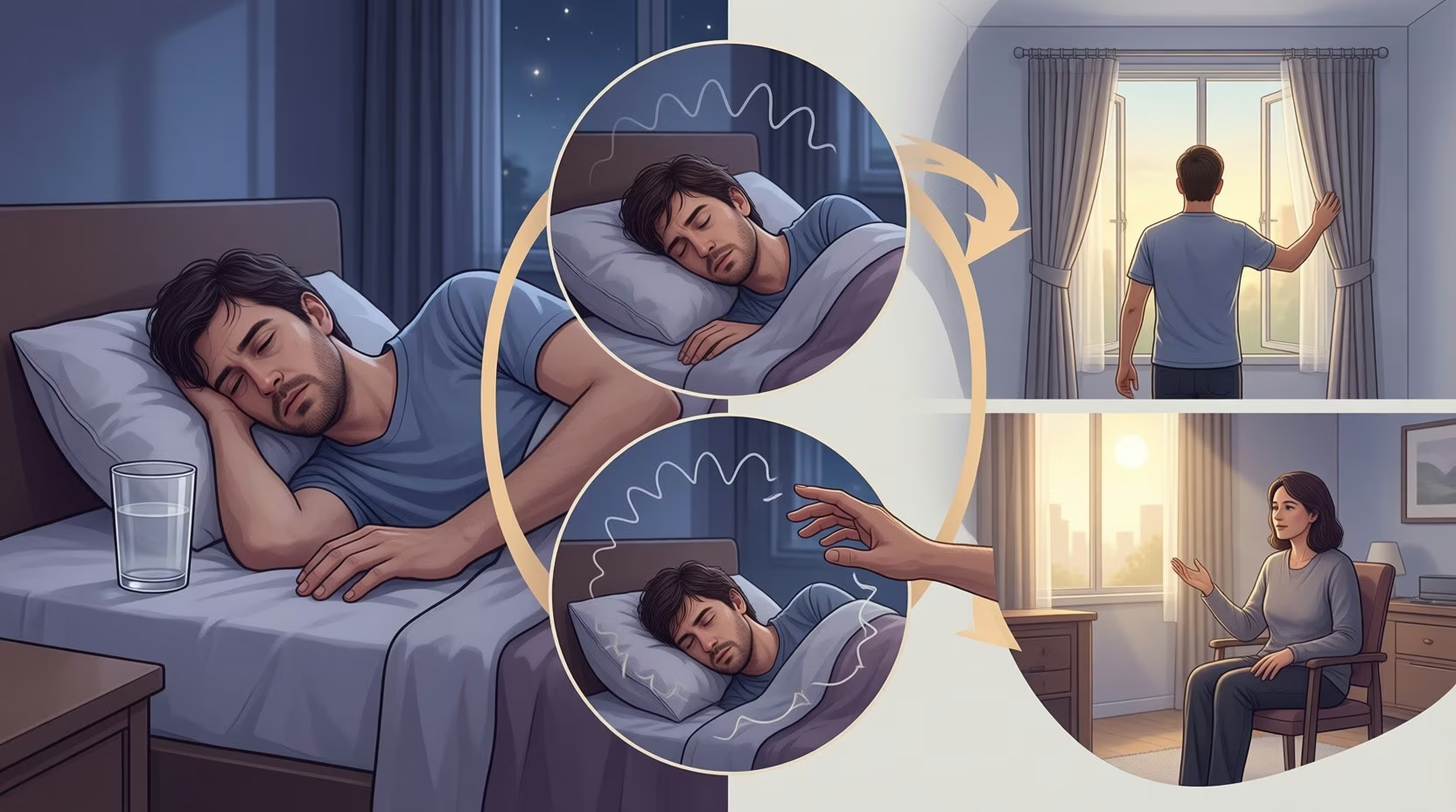
Flat editorial illustration: Health-editorial illustration of the two-way relationship between substance use and disrupted sleep,
How Sleep Disruption Feeds the Addiction Cycle and What You Can Do About It
Addiction Recovery Mental Health Wellness
November 6, 2026

You Might also Like

SpecialtiesWellness

Vital Steps To Avoid Health Risks After A Road Accident

April 1, 2019
Wellness

7 Easy Exercises You Can Do Before Work

July 3, 2012
employee mental health
Mental HealthWellness

How to Use Training to Support Workplace Mental Health

November 22, 2022
health myths
Home HealthPublic HealthWellness

The Old Wives Club: Which Health Myths Are True?

May 29, 2014
Subscribe
Subscribe to our newsletter to get our newest articles instantly!
Follow US
© 2008-2026 HealthWorks Collective. All Rights Reserved.
  • About
  • Contact
  • Privacy
Welcome Back!

Sign in to your account

Username or Email Address
Password

Lost your password?