We use cookies, including third-party cookies from Google to serve personalized ads through AdSense, to operate this site and understand how it is used. By continuing to browse, you accept this use. See our Privacy Policy and Terms of Use for details, including how to opt out of personalized advertising.
Accept
Health Works CollectiveHealth Works CollectiveHealth Works Collective
  • Health
    • Mental Health
  • Policy and Law
    • Global Healthcare
    • Medical Ethics
  • Medical Innovations
  • News
  • Wellness
  • Tech
Search
© 2023 HealthWorks Collective. All Rights Reserved.
Reading: Study: Increasing Scope of NP Practice Does Not Undercut Physician Reimbursement
Share
Notification Show More
Font ResizerAa
Health Works CollectiveHealth Works Collective
Font ResizerAa
Search
Follow US
  • About
  • Contact
  • Privacy
© 2023 HealthWorks Collective. All Rights Reserved.
Health Works Collective > Policy & Law > Public Health > Study: Increasing Scope of NP Practice Does Not Undercut Physician Reimbursement
BusinessNewsPublic Health

Study: Increasing Scope of NP Practice Does Not Undercut Physician Reimbursement

MichaelDouglas1
MichaelDouglas1
Share
3 Min Read
SHARE

One of the arguments physician opponents of the increasingly widening “scope of practice” some states grant nurse practitioners has been the perceived loss of potential reimbursements in a given market when both factions practice simultaneously. The given region is usually primary care-depressed in terms of actually physician numbers, and practice encroachment has long been a bone of contention in some circles.

One of the arguments physician opponents of the increasingly widening “scope of practice” some states grant nurse practitioners has been the perceived loss of potential reimbursements in a given market when both factions practice simultaneously. The given region is usually primary care-depressed in terms of actually physician numbers, and practice encroachment has long been a bone of contention in some circles.

Researchers are a bit closer to answering that issue, as a policy paper has not found evidence for any drop in phsyician payments for services rendered in areas in which advanced-practice nurses possess a greater degree of practice freedom.

“As we plan for the expansion of health care coverage to over thirty million people in 2014, the shortage of primary care providers will be one of the major challenges. As a result, it is important to systematically assess whether there are negative consequences for primary care doctors associated with an expanded role for nurse practitioners. Our study is a first step in that assessment. We found no evidence of negative economic impact on family physicians and internists in States that have already implemented reforms,” said lead researcher Patricia Pittman, Ph.D., associate professor in the Department of Health Policy in the GW School of Public Health and Health Services and the School of Nursing.

Framed against the backdrop of a sustained primary care shortage once the reform law kicks in, this argument bodes well for NPs who have benefited from states that have loosened practice barriers; but, the greater issue is whether this is reflective of another perception — at least among medical school grads: does it still “pay” to go into primary care?


More Read

The Medical Environment Is Hostile and Dangerous
Breakthroughs in RNA Sequencing Provide New Insights in the Fight Against Cancer
Smooth Transition: Reducing Senior Readmissions to Hospitals
Viktoriya Dombrovska Shares Insights on Sleep Apnea
New Series: Person-Centered HealthCare


TAGGED:nurse practitionersPCPsprimary care physicians
Share This Article
Facebook Copy Link Print
Share

Stay Connected

1.5KFollowersLike
4.5KFollowersFollow
2.8KFollowersPin
136KSubscribersSubscribe

Latest News

Flat editorial illustration: A health-editorial scene of a first pain-management visit, bringing together attentive consultation,
What to Expect at Your First Pain Management Appointment
Therapies Wellness
October 29, 2026
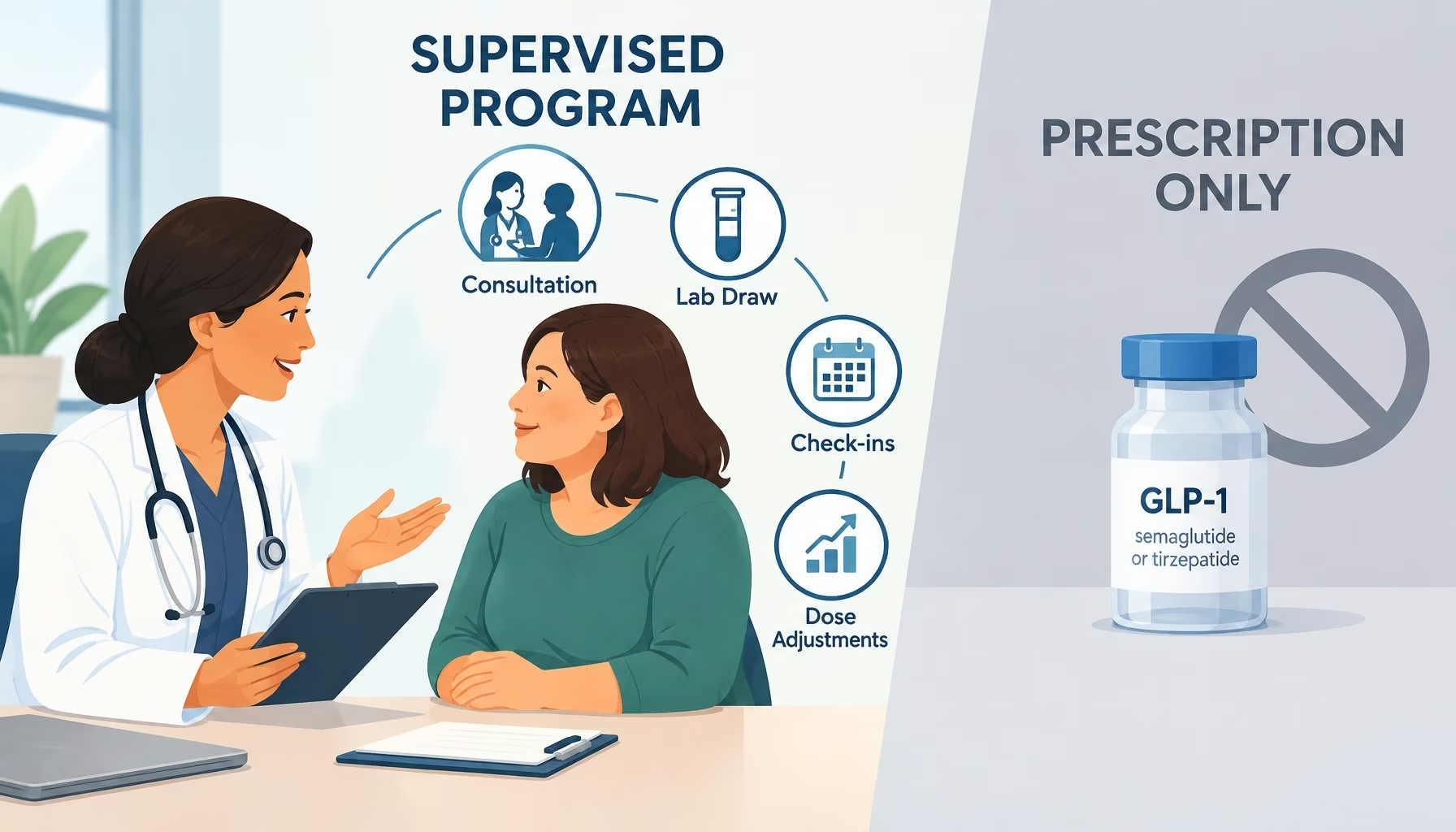
Flat editorial illustration: The core relationship is medication-only coverage versus coverage for a supervised clinical program.
Medical Weight Loss as a Workplace Benefit: The Questions I Would Want Asked
Weight Loss Wellness
October 29, 2026
Common Questions About Tirzepatide and Medical Monitoring -- AI-generated illustration
Common Questions About Tirzepatide and Medical Monitoring
Health
October 26, 2026
How Road Trauma Injuries Place Demands on Healthcare That Go Beyond the Examination Room  -- AI-generated illustration
How Road Trauma Injuries Place Demands on Healthcare That Go Beyond the Examination Room 
Global Healthcare Policy & Law
October 15, 2026

You Might also Like

Technological Breakthrough in Treatment of Sleep Apnea Offered at Leading Hospitals

February 26, 2016

Massachusetts hospitals are making money — I’m quoted

August 27, 2015
gifs for hospital marketing
BusinesseHealthHospital AdministrationSocial Media

Animated GIFs: A New Tool to Get Attention on Twitter

June 30, 2014

Musings on 2012 Health IT

January 1, 2012
Subscribe
Subscribe to our newsletter to get our newest articles instantly!
Follow US
© 2008-2026 HealthWorks Collective. All Rights Reserved.
  • About
  • Contact
  • Privacy
Welcome Back!

Sign in to your account

Username or Email Address
Password

Lost your password?