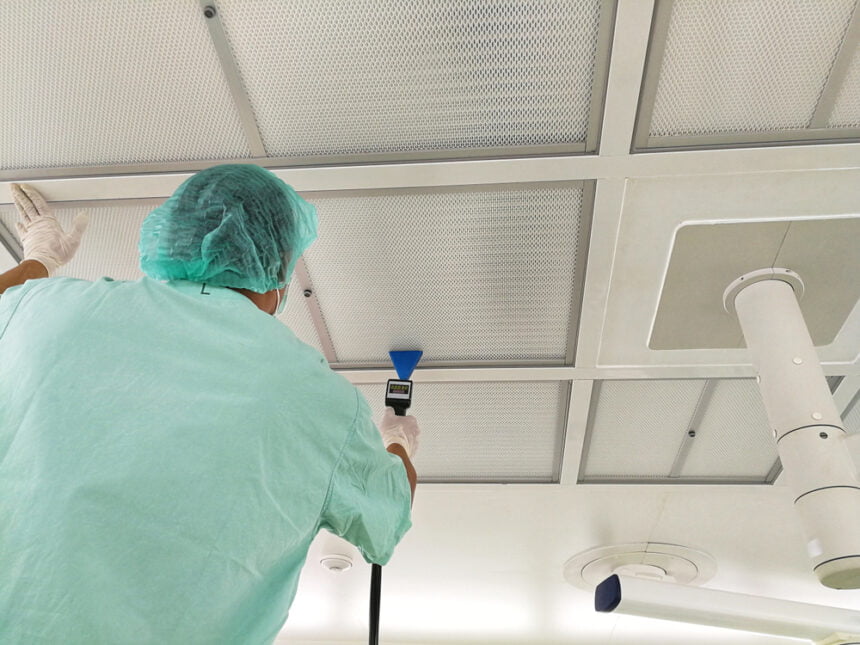
People go to hospitals to recover from illnesses and injuries, but these spaces are not always the healthiest environments. Airborne viruses and bacteria pose a threat, as well as chemical compounds. Sometimes these pollutants are unavoidable, but hospital management can use helpful solutions to minimize adverse health impacts.
These are a few things hospitals can do to improve air quality right away. Patients and staff members will benefit from reduced indoor pollutants and fewer airborne viruses.
Use High-Quality Air Filters
HVAC systems are the first line of defense against pollutants. As they circulate air throughout the hospital, the unit pushes air through filters to catch dust and debris.
Using high-quality air filters is a quick way to improve hospital air quality immediately. Activated carbon and high-efficiency particulate air (HEPA) filters catch gases and odors that traditional ones don’t.
More Read

They might cost slightly more than what hospitals relied on previously, but it’s well worth it. Research shows that cleaner air influences workers’ speed by nearly 20%, facilitating shorter wait times and faster non-emergency visits.
Install Air Purifiers
Air cleaners are another helpful system to install alongside existing HVAC units. They use the latest technology to remove multiple harmful pollutants, such as:
- Mold
- Pollen
- Allergens
- Toxins
- Smoke
- Bacteria
Depending on which air cleaner the hospital management team installs, air purification could happen in a few different ways. Ultraviolet germicidal irradiation (UVGI) inside cleaners deactivates pathogens that usually float through filters. Certain cleaners might also sanitize the air as it passes through the cleaner instead of relying on only a filter.
Ban Smoking Zones
Opening ground-floor windows flushes out indoor pollution, but not if new dangers float in as well. Some hospitals have designated outdoor smoking areas that pose a threat if nearby windows are opened. Even from distances of 25 feet or more, smoke can travel on the breeze and find its way into hospital rooms and hallways.
Management can consider banning smoking on hospital property. It’s one way to eliminate a common outdoor pollutant and give staff members another way to breathe better air inside.
Clean Ducts and Vents
HVAC ducts go unnoticed, but they should receive regular inspections. Professionals can spot which vents need a deep cleaning to prevent mold and mildew growth. If allowed to grow, these health threats can release spores throughout the hospital and exacerbate existing illnesses.
Even a small amount of mold presents new dangers. Anyone inside the hospital could experience a range of symptoms like:
- Watery or itchy eyes
- Coughing
- Wheezing
- Rashes
Looking into hospital air quality improvements can prevent mildew and mold from becoming a persistent problem. Routine cleanings are part of maintaining clean air.
Hospitals should also consider cleaning ducts and vents during and after renovation projects. Drywall dust quickly collects in these areas and may trigger respiratory issues such as dry coughs and wheezing.
Enforce a Mask Mandate
Patients with respiratory illnesses or compromised immune systems may wear masks regularly, but everyone else in a hospital can, too. Enforcing a mask mandate prevents people from spreading disease through airborne droplets. It’s a public standard in many countries because it maintains air purity, along with many other health benefits.
A recent study found that when school children wore masks, they reduced their chances of getting sick even during the height of the flu season. Masks are a simple way to improve hospital air quality if patients, visitors and staff all participate.
Try Multiple Solutions
Hospitals can do many things to improve air quality. Management should try multiple solutions to purify indoor air to the greatest possible extent. Everyone benefits from reduced pollutants and airborne disease, so investing in air cleaners or high-quality filters goes a long way in protecting people who pass through the hospital doors.