Technology has optimized processes in a multitude of industries, especially in the medical and healthcare industry. For patients in recovery, utilizing technology can help shorten the often long road to recovery. Here are some tips and tricks to faster recovery with technology.
Sound Technology
Getting proper rest is crucial during recovery and directly impacts the body’s physical and mental ability to get better. This isn’t always the easiest thing to do when in a noisy hospital. Additionally, pain often affects a patient’s ability to sleep. This is where technology comes in to help patients rest for recovery. Sony’s noise-cancelling headphones incorporate high-tech audio technology to prevent outside soundwaves from entering the ears. Patients can listen to calming or therapeutic music without interruption to slip into their REM cycle more efficiently. Another sound-related technology that has emerged as a useful sleep aid is a white noise machine like the Marpac DOHM-DS White Noise Sound Machine. Listening to constant sounds can help counter disruption and this machine comes with everything from basic white noise to a running stream.
Virtual Reality
Virtual reality technology is also coming to the forefront within the medical field as an extremely effective rehabilitation method. Patients can immerse themselves in a simulated environment that allows them to do cognitive and physical exercise therapy. VR has proven to deliver remarkable benefits to physiotherapy patients as well as those impacted by cerebral palsy, stroke and brain injury. It can improve motor skills, trunk control, limb use, balance and mobility and instill a sense of confidence in patients as they look to get back to their normal everyday lives. In many cases, VR is starting to replace the need for surgery or medication and proving to be a “natural” (although technically technical) solution.
Digital Applications
In a world where there’s an app for just about anything, more and more applications are being developed to assist in physical rehabilitation and recovery. Patients recovering at home can leverage technology to their benefit with rehabilitation apps like Physitrack. The platform lets patients follow clinically verified rehabilitation programs via their smartphone or tablet with videos, progress tracking and guidance from clinical professionals. The use of apps like these ultimately gives medical staff the ability to monitor patient recovery more closely, evaluate real-time data and personalize their prescribed regimens during the process.

Wearables
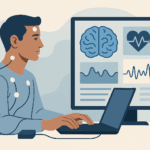
It was a big year for wearables and the leaps and bounds in the sensor technology within have translated into the healthcare world. Everything from heartrate to blood pressure to the amount of steps taken a day can all be tracked with wearables. Devices like Fitbits and smartwatches are not only helping those in recovery monitor and sustain their well-being at a specific level, the data is also available to medical practitioners seeing their patient through their journey. Electrical stimulation technology has also made its way into wearables for patients needing extra support beyond common rehabilitation methods. For instance, Axiobionic’s wearables run on a system that activates muscle contractions via electric stimulation on those suffering from long-standing injury, disease or disability. The stimulation can be used for pain relief, muscle therapy and muscle strengthening.
Robotics
An extension to wearables is prosthetics controlled by robotic technology. Innovators like ReWalk Robotics have produced a system that can detect a wearer’s movements in supplemental attached limbs in order to assist natural motion motion, and at the same time record progress in rehab training. This information can gradually help a patient learn muscle memory as they ease into everyday functions. Faster recovery is possible thanks to advancing technology. Patients affected from physical or mental trauma can utilize the technology out there to strengthen themselves quicker than without, thus moving them forward towards a full recovery and return to normalcy.